


In the Gaza Strip, a war-worn enclave that many feared would collapse, the fragile cease-fire is holding — and with it, signs of life are returning. After two years of near-lockdown, markets are reopening, restaurants are taking customers, and even the latest iPhones have entered the strip.
At the main market in Nuseirat, shoppers are moving between stalls stacked with fruit, vegetables and confectionery, though many still cannot afford them. “If there’s meat or fish the prices are crazy. Some stock goes straight to large shops or restaurants,” says Ayman Najjar, a resident.
iPhone 17 Pro Max sold for about US $11,000


One popular spot for knafeh, the famed sweet pastry, raised prices from about NIS 3 (~US $0.90) a slice up to NIS 50 (~US $15) — yet hungry buyers kept coming. “We are ready to pay for something sweet that brings happiness after long hunger,” one customer said.
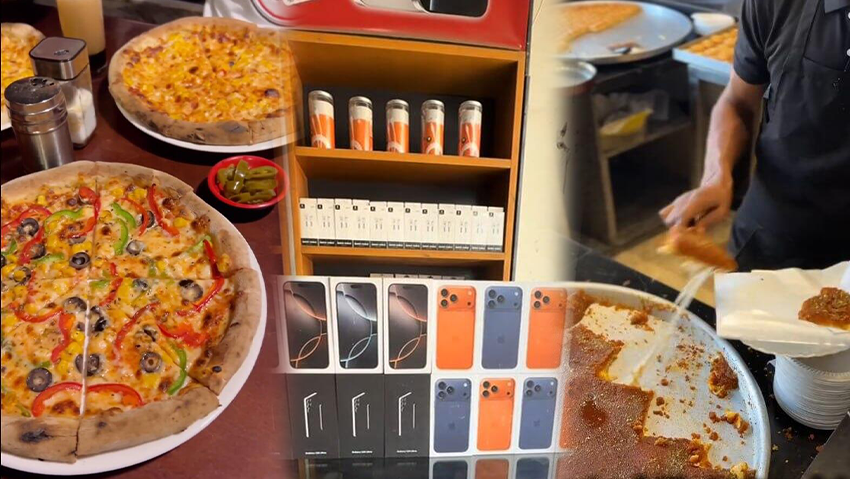
In recent weeks, a truck loaded with digital goods entered Gaza, including the new iPhone 17 Pro Max. One reseller showed TikTok videos of the shipment touting a price of NIS 36,000 (~US $11,000) — five times the cost in Israel. According to sources, many buyers were affiliated with Hamas, emerging from tunnels and eager to flaunt the latest smartphone.

iPhones 17 in Gaza
Likewise, stacked shelves in a newly renovated supermarket in Gaza City now feature Hebrew-labeled shampoos, coffee, and even cans of Nutella. Prices are high: a small box of Pringles goes for NIS 12 (~US $3.70), an energy drink NIS 18 (~US $5.50), and chewing gum NIS 25 (~US $7.70).
Still, shopping doesn’t equal financial freedom. “There’s an atmosphere of life and movement — but people don’t have money to buy,” says Sohaib Abu Jahl, another resident. Banks remain largely closed, and cash withdrawals often come via black-market agents charging NIS 180 (~US $55) per NIS 1,000.

Commodity enters the Gaza Strip
Outside Gaza City in Khan Younis, transport costs have collapsed. A journey that once cost up to NIS 3,000 (~US $925) now runs about NIS 20 (~US $6) — indicative of renewed mobility despite war-torn roads.
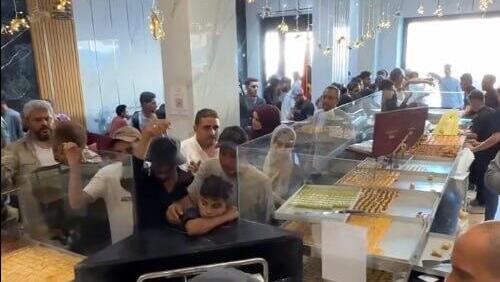
“At first it felt like the city was dead. But now it’s breathing — a little more every day. New shops open, families return,” says Mohammed Haji. “We’re starting again, it's not easy — but it’s happening.”