

Ben-Gurion University of the Negev congratulates Prof. Lior Rokach of the Stein Faculty of Computer and Information Science. He has been recommended by the United Nations Secretary-General António Guterres for appointment to the newly established Independent International Scientific Panel on Artificial Intelligence. This global panel is the first scientific body dedicated exclusively to AI, convening leading experts to examine how artificial intelligence is shaping societies around the world.
The selection process was highly competitive, with over 2,600 candidates from 140 countries. Only 40 of those were chosen for the final panel, with Prof. Rokach the sole Israeli representative.
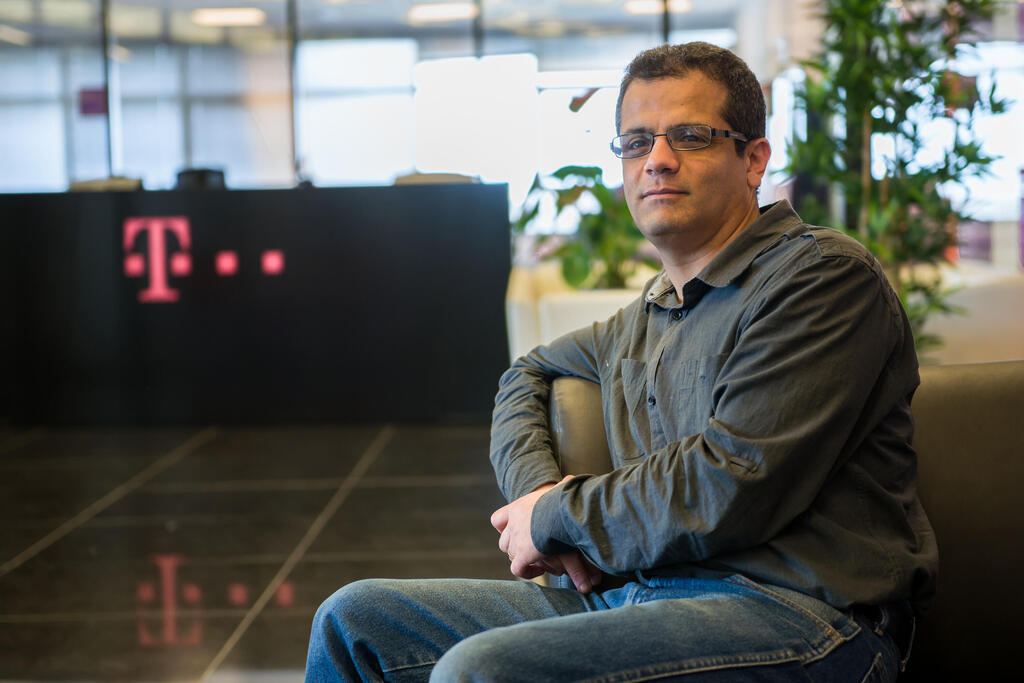
Prof. Daniel Chamovitz, President of Ben-Gurion University of the Negev, "Prof. Lior Rokach’s appointment to the UN’s Independent International AI Panel reflects his scientific leadership as one of the most cited researchers in his field, and the excellence of the University’s Stein Faculty of Computer and Information Science.
The Stein Faculty of Computer and Information Science, established this year, focuses on research and teaching in cybersecurity, artificial intelligence (AI), and computer science. Uniquely, the Faculty is not divided into departments but is comprised of five research institutes: the Institute for the Foundations of Artificial Intelligence, the Institute for Applied AI Research, the Institute for Theory of Computer Science, the Institute for Interdisciplinary Computational Science, and the Institute for Software, Systems, and Security.
Prof. Rokach joins an exceptional group of internationally renowned figures, including Prof. Yoshua Bengio, one of the “Fathers of Deep Learning” and Turing Award laureate, and Prof. Maria Ressa, Nobel Peace Prize winner recognized for her work combating disinformation and online manipulation fueled by AI.
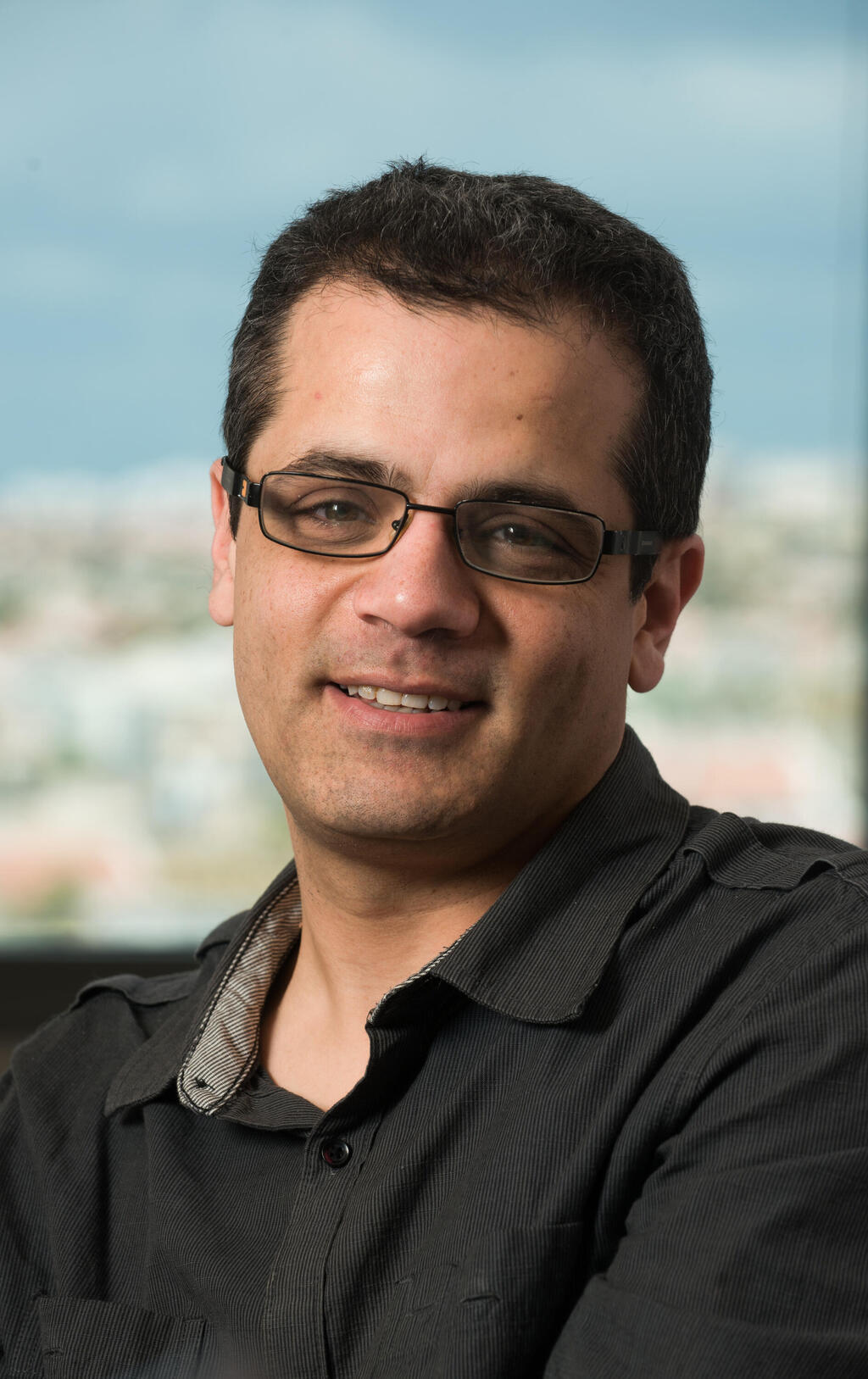
Prof. Lior Rokach
(Photo: Dani Machlis/BGU)
The panel’s mission is to provide evidence-based scientific assessments regarding the opportunities, risks, and societal impacts of artificial intelligence in non-military domains. It is intended to act as a global “early warning system,” identifying new developments, evaluating emerging risks, and offering timely, rigorous, and unbiased scientific insights to assist international decision-makers in distinguishing scientific reality from marketing hype. The panel will make information about AI accessible to all countries around the world and will connect research and policy through annual positions papers.