

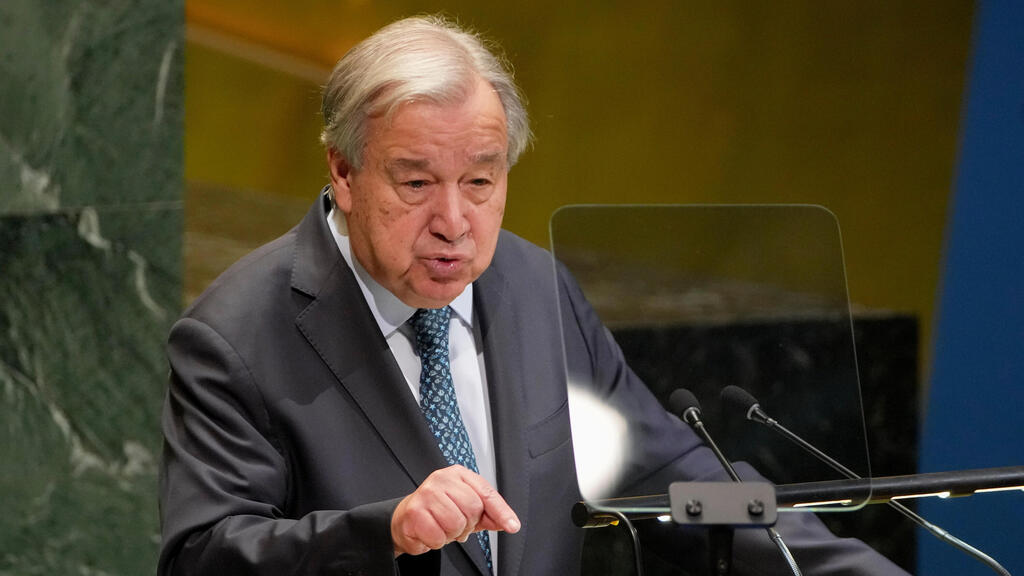
U.N. Secretary-General Antonio Guterres warned Israel that he could refer the country to the International Court of Justice if it does not repeal laws targeting the U.N. Palestinian refugee agency UNRWA, a move Israel says ignores mounting evidence of the agency’s deep ties to Hamas.
In a January 8 letter to Prime Minister Benjamin Netanyahu, Guterres said Israel’s actions were “in direct contravention” of its obligations under international law and demanded that legislation restricting UNRWA’s operations be reversed and seized assets returned.
Israel’s parliament passed a law in October 2024 barring UNRWA from operating inside the country and prohibiting Israeli officials from having contact with the agency. The law was later amended to block the provision of electricity and water to UNRWA facilities. Israeli authorities also seized UNRWA offices in East Jerusalem, which the United Nations considers occupied territory but Israel regards as part of its sovereign capital.
Israeli officials rejected the warning, arguing that the secretary-general is attempting to shield an agency increasingly exposed as compromised by terrorist organizations.
“We are not fazed by the Secretary-General’s threats,” Israel’s U.N. ambassador Danny Danon said. “Instead of confronting the documented involvement of UNRWA personnel in terrorism, he chooses to threaten Israel. This is not the defense of international law, it is the defense of an organization marred by terrorism.”
Danon’s remarks came amid growing scrutiny of UNRWA following a series of investigations and parliamentary actions in Europe. A recent 218-page report by UN Watch alleged that Hamas operatives infiltrated and effectively controlled UNRWA schools in Gaza and Lebanon for years, serving simultaneously as principals, union leaders and teachers while promoting terrorism and blocking educational reforms.
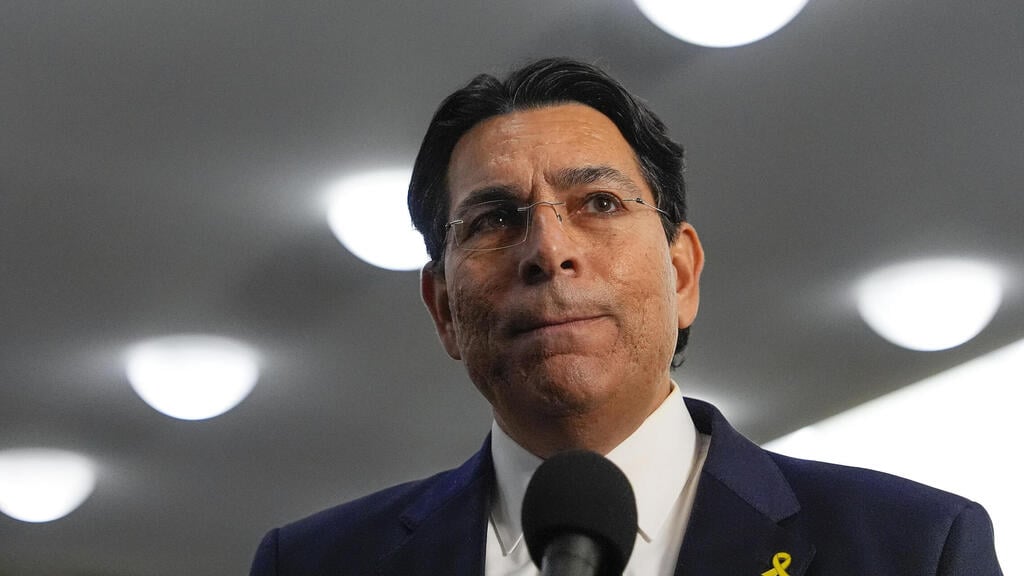
Israel’s U.N. ambassador Danny Danon
(Photo: Yuki Iwamura/ AP)
The report documented cases in which senior Hamas figures oversaw tens of thousands of students under the UNRWA umbrella. In Gaza, Suhail al-Hindi held senior Hamas leadership roles while serving as a UNRWA school principal and head of the Gaza teachers’ union. In Lebanon, Fateh Sharif, later killed in an Israeli strike, served as a UNRWA principal and union head and was publicly hailed by Hamas as one of its leaders.
UN Watch said the United Nations was repeatedly alerted to these affiliations but failed to act, raising concerns that donor funds were effectively financing extremism. “Governments believed they were funding peace and tolerance,” UN Watch Executive Director Hillel Neuer said. “In reality, UNRWA classrooms were turned into incubators of terror.”
The findings have fed into a broader donor backlash. Earlier this year, the European Parliament voted by a large majority to freeze funding to the Palestinian Authority until inciting content is removed from school textbooks and condemned the involvement of UNRWA employees in Hamas’ October 7 terror attack on Israel. Lawmakers also demanded that no EU funds be allocated to individuals or organizations linked to terrorist groups and urged the European Commission to work with alternative humanitarian agencies.
The United Nations has acknowledged that at least nine UNRWA employees were involved in the October 7 massacre and were dismissed. Israel has long argued that this figure understates the scale of the problem, pointing to additional cases, including a Hamas commander in Lebanon who was found to have held a UNRWA position.
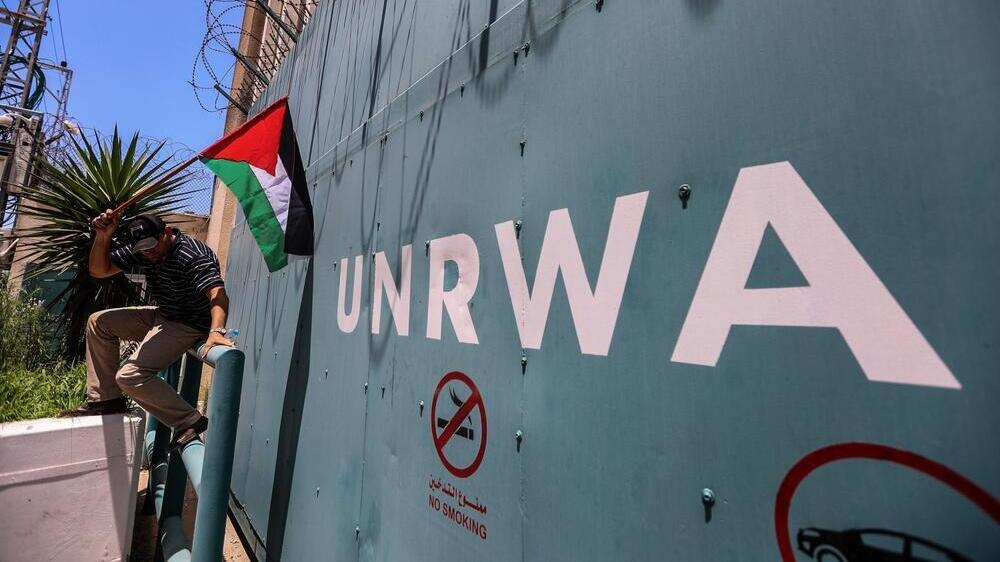
UNRWA
(Photo: Anas-Mohammed/ Shutterstock)
UNRWA was established in 1949 to aid Palestinians displaced by the war surrounding Israel’s founding and today provides services to millions of Palestinians in Gaza, the West Bank, Syria, Lebanon and Jordan. Senior U.N. officials continue to describe the agency as central to humanitarian efforts in Gaza, where the war triggered by Hamas’ October 7 attack has caused widespread destruction.
Israel, however, says that reliance on UNRWA has come at the cost of accountability and security. Officials argue that alternative aid mechanisms exist and that continued international backing of UNRWA, despite repeated warnings and evidence, undermines efforts to curb terrorism and reform Palestinian institutions.
The International Court of Justice issued a nonbinding advisory opinion in October stating that Israel is obligated to ensure the basic needs of Gaza’s civilian population are met. Israel maintains that this obligation does not require cooperation with an agency it views as structurally compromised.
As the dispute escalates, Israel’s government has framed the confrontation not as a rejection of humanitarian law, but as a test of whether the United Nations and donor states are willing to confront the infiltration of terrorist groups into institutions long treated as untouchable.