

U.S. allies in the Persian Gulf are moving closer to joining the war against Iran, adopting a tougher stance after sustained attacks that have hit their economies and could give Tehran prolonged control over the Strait of Hormuz, The Wall Street Journal reported.
Recent steps by Gulf states are helping the United States carry out airstrikes and are targeting Iran’s economy, though they have not yet deployed troops — a line Gulf leaders had hoped to avoid crossing but are now seriously considering.
Gallery
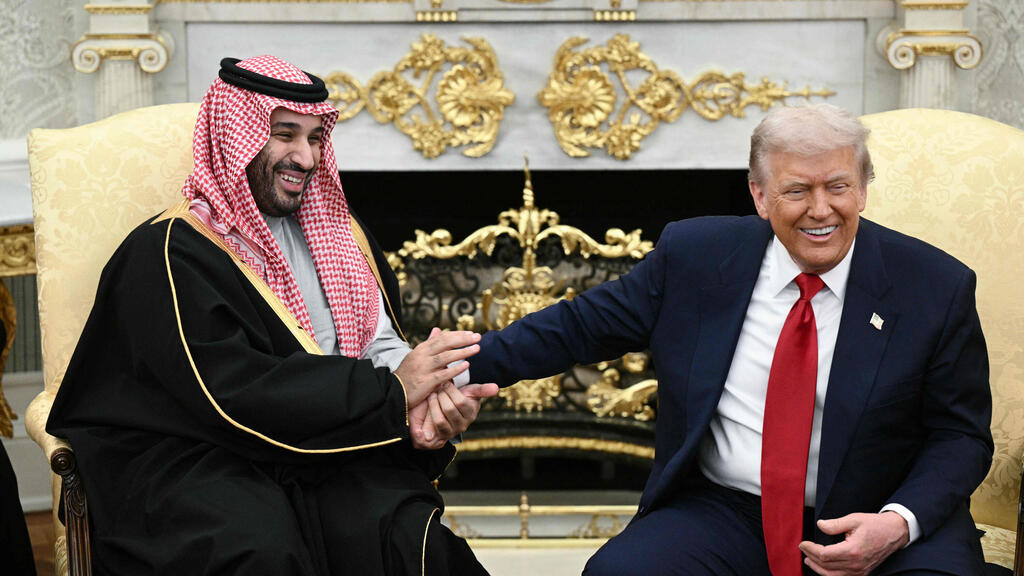
Trump and bin Salman at the White House: Saudi patience runs out
(Photo: Brendan SMIALOWSKI / AFP)
According to the report, Saudi Arabia recently agreed to allow U.S. forces to use King Fahd Air Base, on the western side of the Arabian Peninsula, to strike Iran. Before the war, Riyadh said it would not allow its facilities or airspace to be used for attacks on Iran, in an effort to stay out of the conflict. That position shifted after Iran launched missiles and drones at key Saudi energy facilities and the capital, Riyadh.
Saudi Crown Prince Mohammed bin Salman now seeks to restore deterrence and is nearing a decision on joining the strikes. “It is only a matter of time before the kingdom enters the war,” a source told the newspaper.
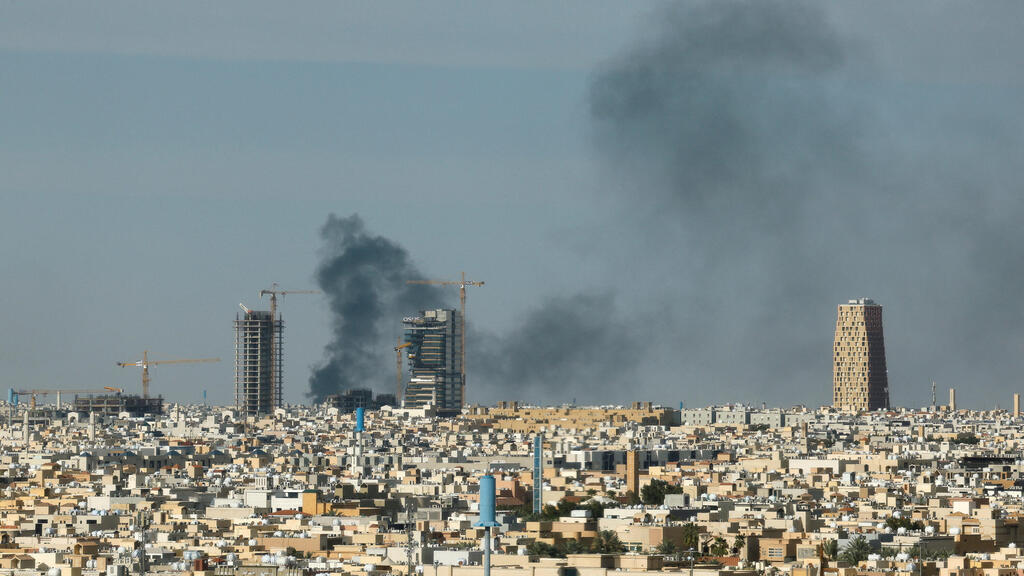
Smoke rises in Riyadh after Iranian strike
(Photo: REUTERS/Stringer)
Saudi Foreign Minister Faisal bin Farhan said last week that the kingdom’s patience over Iranian attacks is limited, warning after strikes on Gulf energy infrastructure that any assumption Gulf states cannot respond is mistaken.
At the same time, the United Arab Emirates has begun taking action against Iranian-linked assets, is considering deploying military forces and opposes a ceasefire that would leave parts of Iran’s military capabilities intact. Authorities in Dubai recently shut down the Iranian Hospital and the Iranian Club, saying certain institutions tied directly to Iran’s government and the Islamic Revolutionary Guard Corps would be closed as part of targeted measures.
For years, the UAE has served as a financial hub for Iranian businesses and individuals. After coming under Iranian attack, it has threatened to freeze Iranian assets worth billions of dollars.
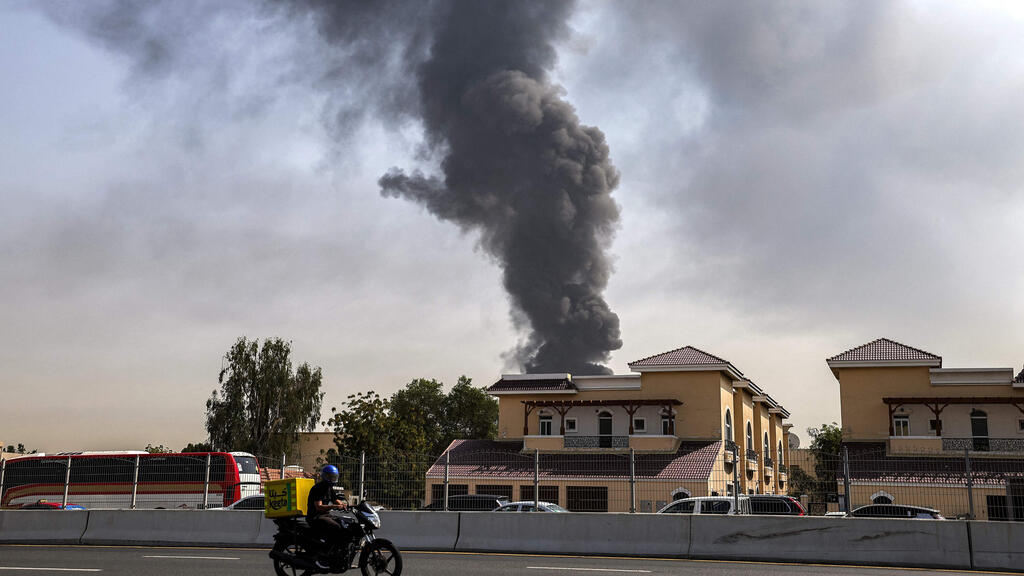
Strike at Dubai airport
(Photo: AFP)
Although Gulf states have publicly said they would not participate in strikes against Iran or allow their airspace to be used, the situation appears more complex. Videos obtained by The Wall Street Journal suggest that some launches toward Iran originated from Bahrain, and that five U.S. Air Force refueling aircraft were hit by an Iranian missile at Prince Sultan Air Base in Saudi Arabia.
During the war with the United States and Israel, Iran has launched heavy barrages at neighboring Arab states, targeting luxury hotels, airports, refineries and fuel depots. The UAE alone has intercepted more than 2,000 attacks, according to the report.

Damage to building in Dubai from drone impact
(Photo: AFP)
Gulf leaders — particularly in Saudi Arabia and the UAE — are pressing President Donald Trump to finish the campaign and eliminate Iran’s military capabilities. Officials familiar with the matter told the newspaper that Gulf leaders believe they may ultimately need to act against Iran themselves to restore deterrence.
A direct military strike by Saudi Arabia or the UAE could expose them to risk if Trump were to abruptly declare an end to the war, potentially leaving them to face Iran alone. They are also concerned their involvement could be largely symbolic and fail to significantly alter the course of the conflict.
Gulf states have also expressed frustration over their limited ability to influence decision-making in the Trump administration, despite close security ties.