


A severe and ongoing shortage of transport vehicles in reserve brigades is harming the operational readiness of forces in the Gaza Strip and the conditions of the soldiers. While worn-out troops report again and again for emergency reserve duty, commanders find themselves trapped in an impossible dilemma: without transport vehicles, they are forced to choose between harming operational missions and preventing critical rest rotations for soldiers who are at their limit.
The IDF confirms that the shortage exists, but has yet to clarify its cause or what solutions are being provided to forces in the field.
“The division holds a rear and forward line of posts. In the rear there is no problem, it is in our territory, but the forward line requires moving soldiers in and out. The worn-out reservists and regular troops need that break,” a senior commander in the force told ynet.
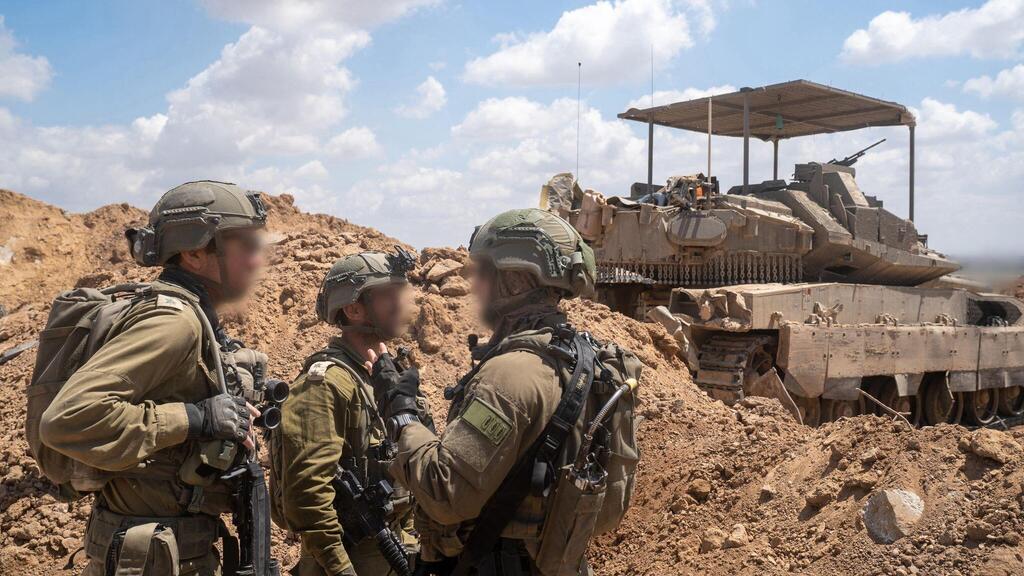
Because of the shortage he describes of vehicles meant to transport forces in and out of the Gaza Strip, he warned of a possible danger involving soldiers’ need for a break and frustration with a system that leaves them in uncertainty.
“We are not managing to send soldiers out for rest rotations. Soldiers who are at their limit are not managing to get even the little certainty of knowing when they will see home again — whether it is to attend an important family event, handle work matters or even just take a rest and recovery rotation. It creates difficulty in trust,” the commander added.
Another impact he described concerns operational activity, as commanders sometimes allocate some of the working transport vehicles available to the force for moving soldiers in and out of the Strip instead of operational missions.
“You take vehicles intended for operational activity, Humvees that can carry soldiers, and remove them from operational activity in order to transport troops. If you use the Humvees meant for operational activity to move the forces, then there are no Humvees for operational activity. That harms capability,” he said.
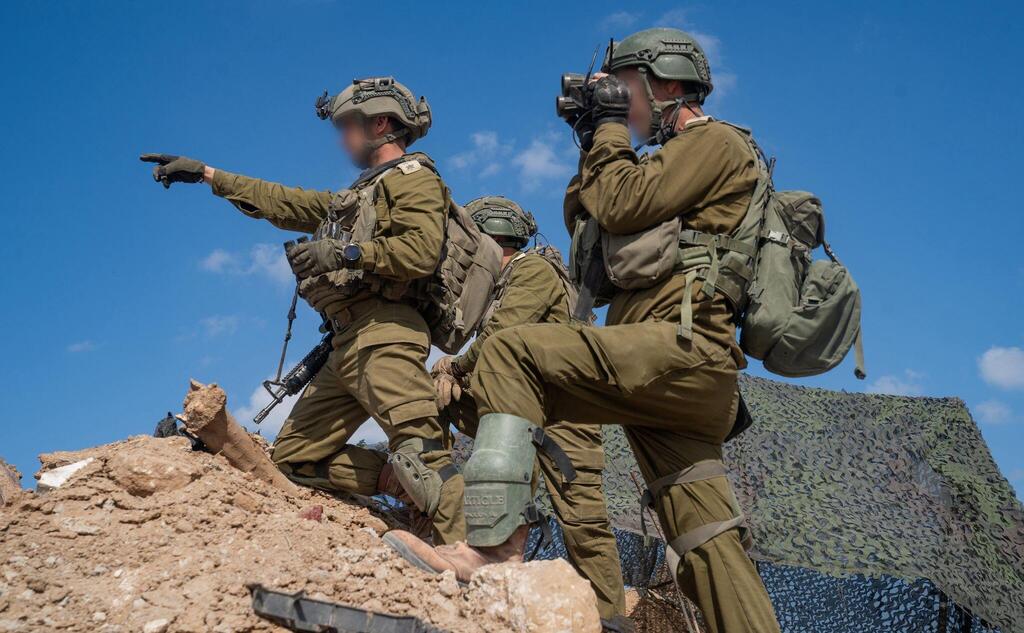
'We are not managing to send soldiers out for rest rotations': Reserve soldiers in Gaza, archive
(Photo: IDF Spokesperson's Unit)
That decision, he explained, stems from the understanding that the high level of exhaustion among troops requires commanders to make command decisions that take into account individual soldiers’ needs, which directly affect their ability to carry out missions.
The senior commander described the improvised solutions commanders are forced to find in the field because of the shortage.
“In the end, it increases the risk that people will drive against orders and take people on trucks. It happens — on unofficial trucks, without seat belts or on other vehicles that are not suited for transportation,” he said. “The commanders say, ‘Wait, the IDF instructs me through orders, but does not give me the tools to comply with those orders.’ It creates a very, very great difficulty and adds to the crisis of trust.”
According to him, “The IDF turns me, a reserve commander, into a criminal. Because in the end, against your will, you approve things you do not really think are proper. Against my will, I am an offender, because either I do something improper or I fail to produce operational activity. If they cannot give me vehicles, they should give me authorization; at least do not turn me into a criminal.”
“The great pain is that these vehicles are sitting in some emergency warehouse," he added. "It makes no sense that these vehicles are in some warehouse, and because they are there, soldiers cannot go home. Not on day 1,000-something of the war. There is a unit; it needs to receive its conditions, on day 700 and 800 of the reservists. The reserve system is at the edge. We are risking the collapse of an entire system, the same one the chief of staff himself warned about in the Cabinet meeting.”
The IDF said in response: “The claim that there is a gap in the brigade’s vehicles is known. We emphasize that the shortage has not harmed the operational readiness of the soldiers.”