


More than two years into the war sparked by Hamas’ October 7 assault, defense officials are warning that the military is still unprepared for prolonged, multi-front conflict unless urgent investments are made to rebuild its force structure, munitions stockpiles and domestic defense industry.
The IDF initially planned for a war lasting about one month, with an optional two-week extension, based on a scenario involving two fronts: Hezbollah in the north as the main theater, and Hamas in Gaza as secondary. Accordingly, stockpiles were limited.
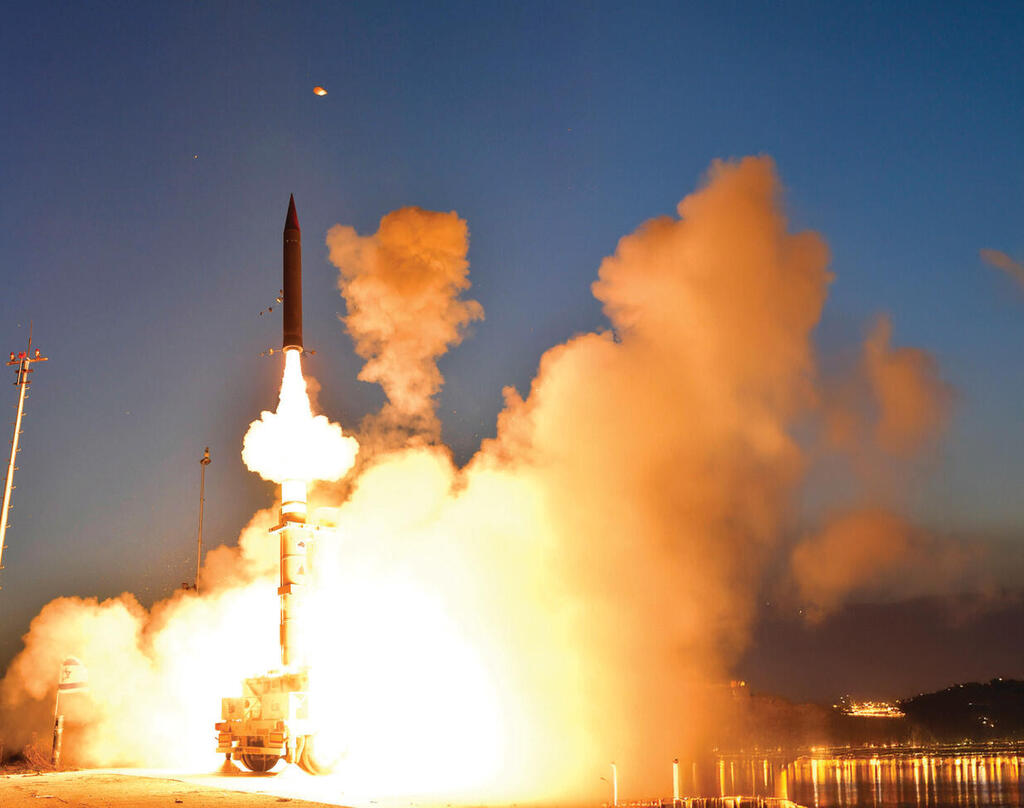
In practice, the war has dragged on across eight fronts, forcing Israel to rely on over 900 cargo aircraft and 150 supply ships—mostly from the U.S.—to replenish basic equipment. Even that was insufficient, as many weapons and platforms produced domestically were in short supply.
Defense officials say this failure cannot be blamed solely on flawed military planning or the “small and smart army” concept. They point to years of consistent defense budget cuts as a share of GDP, exacerbated by what they describe as irresponsible public campaigns from the Finance Ministry.
Now, they warn, Israel faces a repeat of those mistakes. Treasury officials continue to resist transferring funds needed for force buildup and production expansion, despite lessons learned since October 2023. Security leaders say they are unable to publicly detail the army’s exact needs or equipment gaps, for fear of exposing vulnerabilities to adversaries.
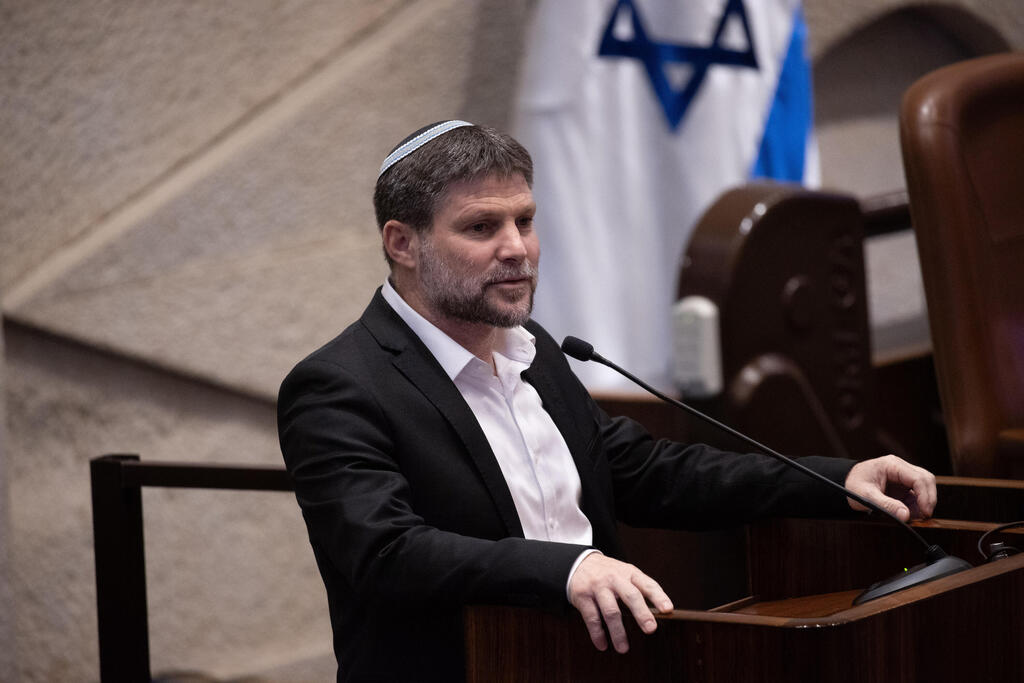
Finance Minister Bezalel Smotrich
(Photo: Alex Kolomoisky)
In 2026, Israel is already committed to NIS 100 billion ($30 billion) in previously signed defense contracts—excluding funding for ongoing readiness, Gaza operations and border security. Just maintaining a 50,000-strong reserve force next year could cost an estimated NIS 20 billion.
Senior officers stress the need for a shift from restocking to long-term buildup, including precision munitions, helicopters, tanks, naval platforms and Namer armored vehicles. “We need to move to the force-building stage—acquiring high-end systems, smart bombs, air defense interceptors. The enemy’s missiles may cost $400,000, but each Arrow 3 interceptor costs $3 million and takes months to produce,” one official said.
Beyond Gaza and Lebanon, a new concern is emerging: Turkey’s growing influence in Syria and increased hostility under President Recep Tayyip Erdoğan. A public security commission led by Prof. Yaakov Nagel warned that Israel could soon face a renewed threat from extremist Sunni forces backed by Ankara, particularly if Turkish-backed militias gain a foothold near Israel’s northern border.
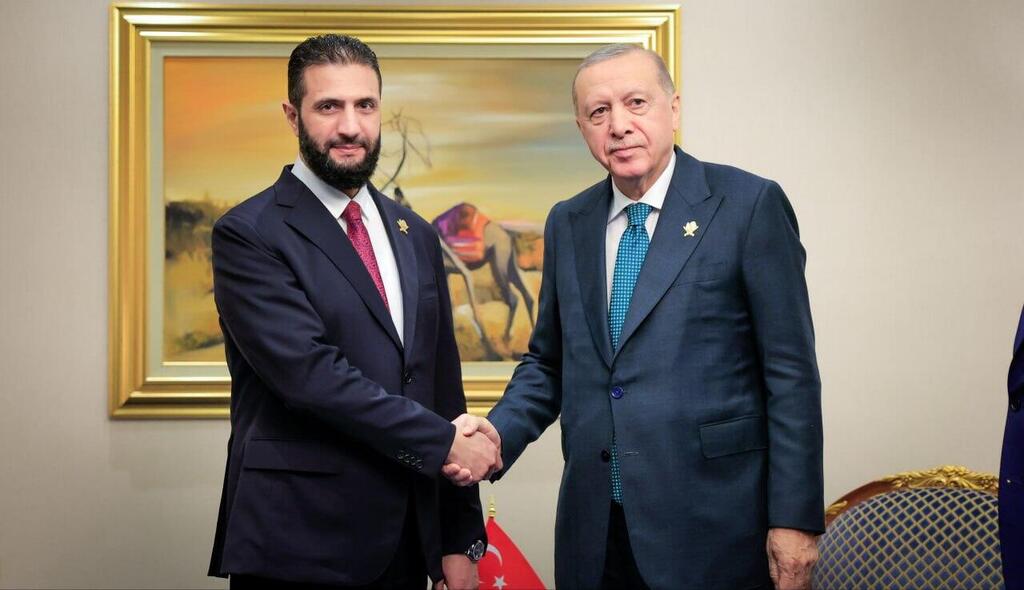
Syrian President Ahmad al-Sharaa and Turkish President Recep Tayyip Erdoğan
The commission also recommended fortifying the porous eastern border with Jordan, warning that instability in the Hashemite Kingdom could evolve into a strategic threat. A proposed border barrier could cost NIS 5 billion.
One senior official summarized the new landscape: “Peace has not broken out. Iran is a wounded adversary undergoing rapid recovery, the Gaza ceasefire is fragile, Lebanon sees daily attacks, Turkey is eyeing Syria, the eastern border is exposed and the West Bank is simmering.”
Top IDF commanders concluded: “We are facing a fundamental shift in the Middle East. The added funds we received are far from sufficient. The lessons of October 7 are not only about that night—they reflect years of strategic misjudgment. We must never return to that mindset.”