


Israel's political and security establishment widely believes that neither Israel nor the United States will launch an attack on Iran before their respective elections, with just 12 days remaining until Israelis vote and less than three weeks until the U.S. midterms. However, Israeli officials remain concerned that an Iranian provocation, an attack by Tehran's regional proxies or a military miscalculation could trigger a confrontation despite efforts to avoid one.
The prevailing assessment is that President Donald Trump and Prime Minister Benjamin Netanyahu are unwilling to risk a new military campaign ahead of the elections. Netanyahu is particularly concerned that renewed fighting with Iran could damage Likud's chances of remaining in power in the October 27 vote.
Gallery
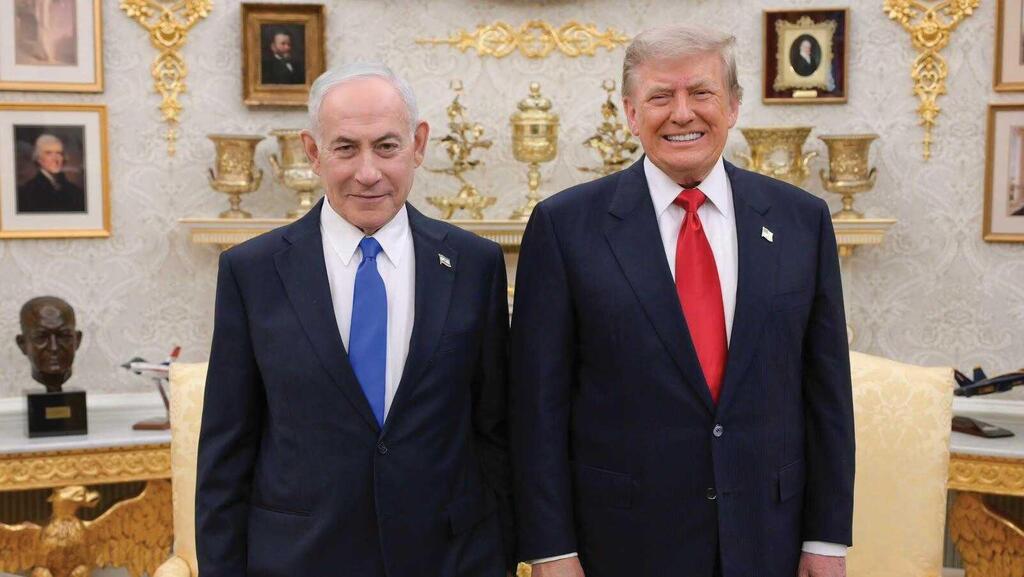
Trump and Netanyahu unlikely to strike Iran before elections, but Israel fears surprise attack
(Photo: GPO)
The possibility of an attack was discussed during a conversation between Netanyahu and Trump last week. Although Israeli officials generally consider a preelection strike unlikely, they still regard the possibility as significant.
One concern is that Iran or the Houthi rebels in Yemen could provoke an Israeli response through a limited operation or an attack carried out by one of Tehran's regional proxies.
Another is the possibility of a miscalculation, with each side interpreting the other's military preparations as evidence of an imminent attack and deciding to strike first.
Israel has conveyed a warning to Washington that if Iran makes such a move, it will face an exceptionally severe response, potentially unprecedented in scale, even after the thousands of Iranian targets struck by Israel and the United States during the war.
Israeli security forces are therefore maintaining a high state of alert and preparing for possible surprise attacks by Iran, Hezbollah or the Houthis.
Security officials have emphasized that any Israeli decision to attack Iran ultimately depends on Trump. Without the American president's approval, they say, Israel would be unable to carry out such an operation.
Trump does not appear to have reached a final decision and is continuing to weigh his options. Officials familiar with the matter said he blocked at least two planned Israeli strikes during the summer, both based on Israeli intelligence indicating that Tehran was rebuilding its nuclear program.
Earlier Thursday, IDF Chief of Staff Lt. Gen. Eyal Zamir conducted a situation assessment and operational briefing at Central Command, warning commanders that the danger of escalation had increased.
"Given the numerous warnings across all fronts and the sensitivity of the current period, the potential for escalation has increased," Zamir said.
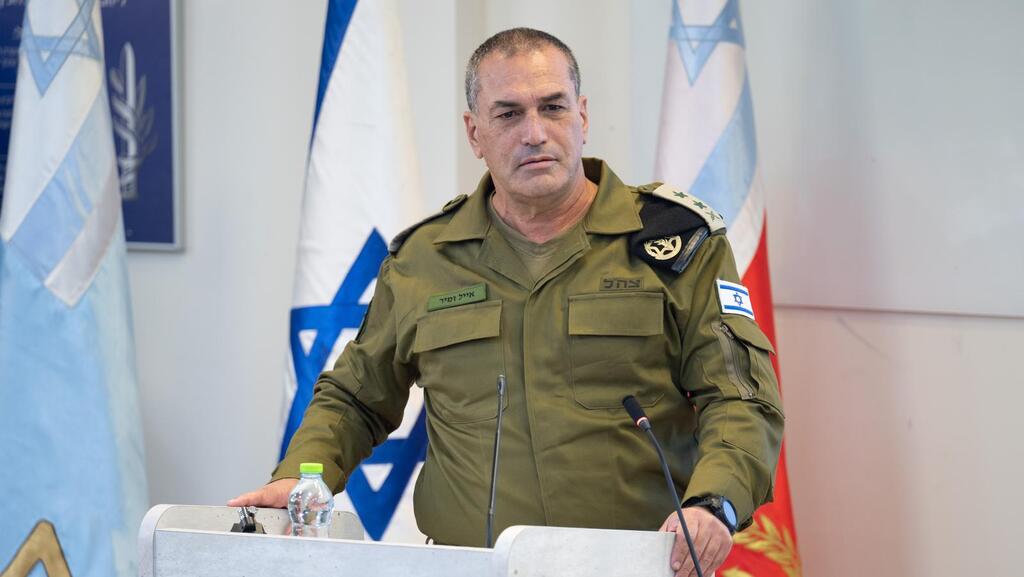
IDF Chief of Staff Lt. Gen. Eyal Zamir
(Photo: IDF)
The military chief also recently warned senior American government and military officials that renewed hostilities with Iran could lead to the postponement of Israel's parliamentary election.
Israel's ambassador to the United Nations, Danny Danon, issued a similar warning Thursday ahead of a Security Council meeting, saying he had delivered a direct message to Iran and Hezbollah.
"Do not try to exploit Israel's election period. Anyone who dares attack us will suffer a devastating blow," Danon said.
An Israeli security official assessed Wednesday that another military campaign resembling previous operations would be unlikely to produce a fundamentally different outcome without an American ground operation.
"There is an understanding that without a ground operation by the Americans, there is no chance of achieving something different and new," the official said, adding that repeating previous military actions before the U.S. elections would be a political disaster for Trump.
The president has sent conflicting signals in recent days. During a campaign rally in Alaska on Tuesday, he threatened another major strike against Iran.
"Just wait and see what we do to Iran. We're going to hit them hard. Just wait and see what we do to Iran, because we're getting pretty fed up," Trump said.
Yet last week, Trump declared that he would not attack Iran again before the November 3 midterm elections.
For Israeli officials, the uncertainty means that while a deliberate strike before the elections remains unlikely, the risk of an unexpected escalation has not disappeared. The greatest concern is that an Iranian move, or an attack by one of its proxies, could force decisions neither Washington nor Jerusalem currently wants to make.