


A senior United Arab Emirates official said any future agreement with Iran must include firm security guarantees and compensation for damage caused during the recent conflict, underscoring growing Gulf demands as talks between Tehran and Washington take shape.
Anwar Gargash, diplomatic adviser to UAE President Sheikh Mohamed bin Zayed, said Sunday that “any political solution addressing Iranian aggression against Gulf states must include clear guarantees to prevent future attacks.”
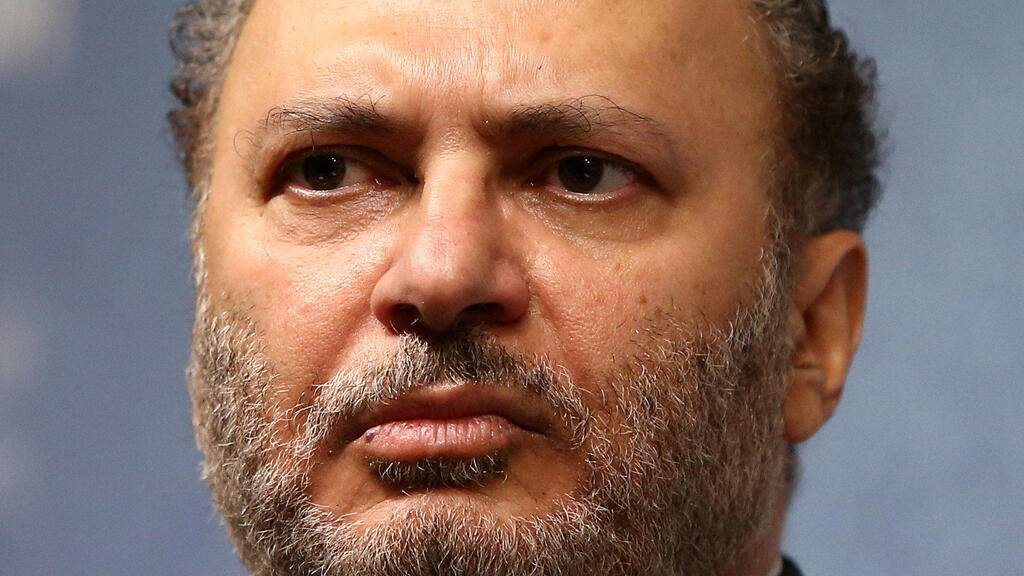
He added that the principle of non-aggression must be formalized and that Iran should be required to compensate for damage to civilian infrastructure.
“Iran deceived its neighbors before the war regarding its intentions and revealed premeditated aggression despite efforts to avoid escalation,” Gargash said, adding that the Iranian regime has become “the primary threat to Gulf security.”
‘Clear guarantees’ and a price for damage
Gargash’s remarks come amid reports of ongoing negotiations between Iran and the United States, with Gulf states increasingly signaling they expect to shape the outcome.
Over the past month, Iran has launched extensive attacks on the UAE. According to official figures, Tehran fired 387 missiles and 1,826 drones during the war, killing 11 people and wounding 169.
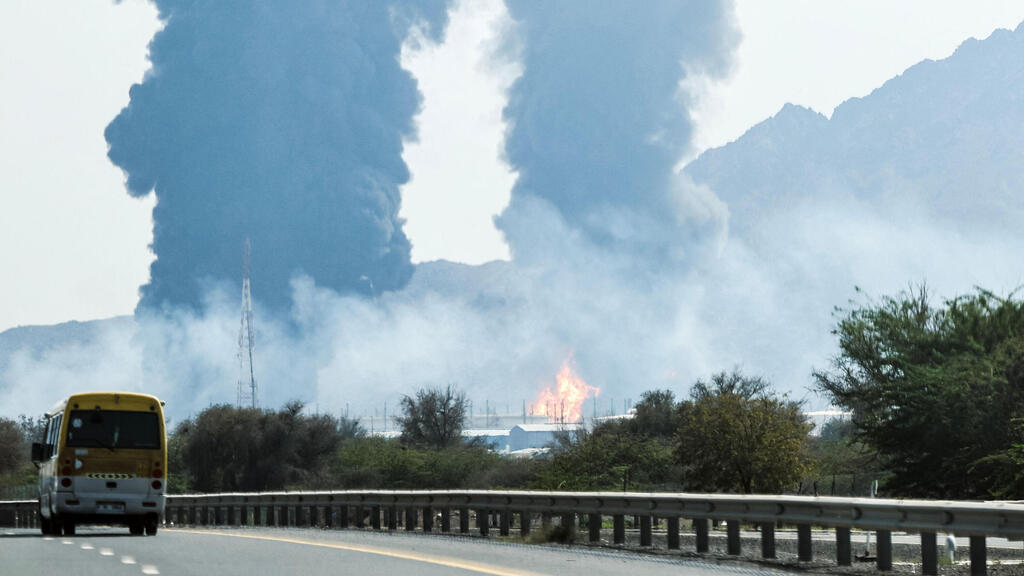
Smoke rises in Fujairah in the United Arab Emirates after an Iranian attack
(Photo: AFP)
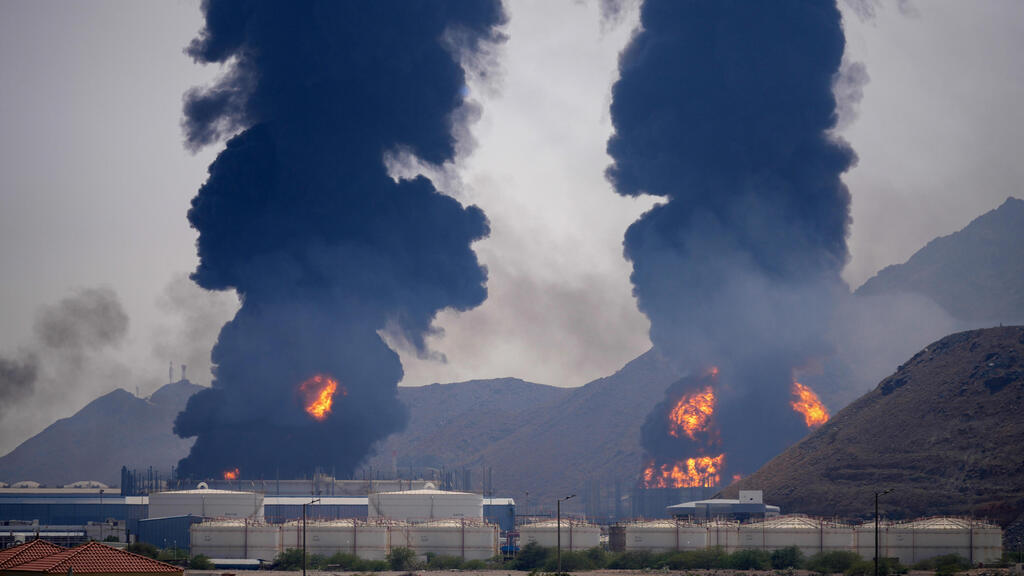
Tehran fired 387 missiles and 1,826 drones at the UAE during the war
(Photo: Altaf Qadri/ AP)
The strikes hit a range of civilian and strategic targets, including a hotel, an airport, fuel storage facilities, the port of Fujairah and towers housing the Israeli Embassy.
At the start of the war, Gargash warned Iran that its actions would backfire.
“Your war is not with your neighbors,” he said at the time. “This escalation reinforces the view that Iran is the main source of danger in the region and that its missile program is a constant driver of instability.”
He urged Tehran to “return to reason” and act responsibly toward its neighbors, warning that continued escalation would deepen its regional isolation.
The latest comments signal that for the UAE, any diplomatic resolution will be judged not only by the end of hostilities, but by whether Iran’s ability to threaten the Gulf is meaningfully constrained.