

Defense Minister Israel Katz said Tuesday that removing enriched nuclear material from Iran is a “threshold condition” for ending Israel’s military campaign, framing it as a central requirement coordinated with the United States.
Speaking on Holocaust Remembrance Day, Katz said Israel is “stronger and more secure” following recent operations and claimed Iran’s nuclear weapons program had been dismantled. He said the remaining enriched uranium could still enable Tehran to restart its program.
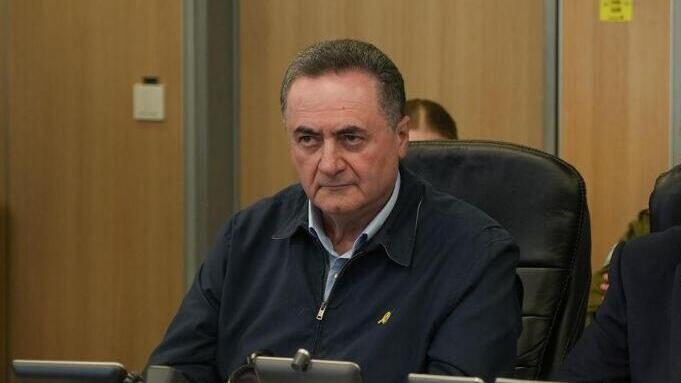
“The removal of enriched material is a threshold condition for ending the campaign against Iran,” Katz said, adding that Israel and the United States have defined the issue as essential to any future agreement.
A senior U.S. official told Fox News that “all the elements” for a potential agreement are on the table but not yet finalized, adding that recent pressure, including maritime restrictions, had increased concern in Tehran. The official said Washington remains focused on ensuring Iran cannot obtain a nuclear weapon.
Diplomatic discussions between the United States and Iran could resume as early as this week, according to sources cited by Reuters, following stalled weekend talks. President Donald Trump said Iran has been in contact and is seeking a deal, though he reiterated opposition to any agreement that allows uranium enrichment capable of producing a weapon.
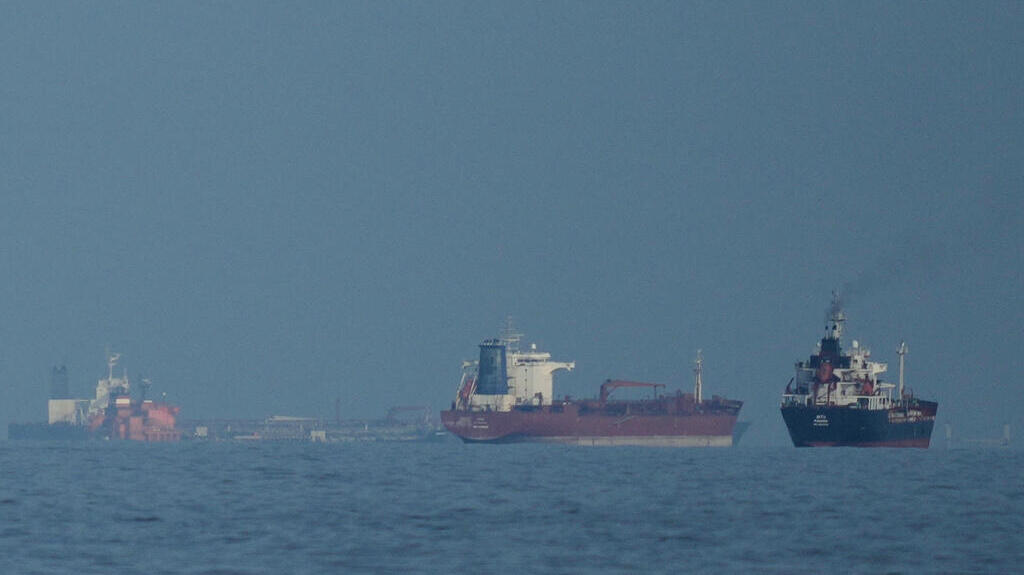
Strait of Hormuz
(Photo: Altaf Qadri/ AP)
Tensions have also escalated over the Strait of Hormuz, a critical global shipping route. Reports indicated Iran has considered restricting or pausing vessel transits, while the United States has moved to increase pressure on Iranian maritime activity amid the broader conflict.
Oil prices fell below $100 per barrel as markets reacted to shifting supply expectations and uncertainty over potential disruptions. The International Monetary Fund cut its global growth forecast, warning that prolonged conflict and higher energy prices could push the world economy toward recession.
The International Energy Agency also lowered its projections for oil supply and demand growth, citing war-related disruptions.
Separately, U.S. and Israeli officials reiterated demands that Iran’s enriched nuclear material be removed from the country as part of any long-term resolution. Israeli Foreign Minister Gideon Saar said Israel “will never allow Iran to obtain nuclear weapons.”
Despite heightened tensions, ceasefire arrangements linked to the broader conflict have largely held, even as Israel continues strikes against Hezbollah in Lebanon and diplomatic efforts continue in parallel between Israeli, Lebanese and U.S. officials.