

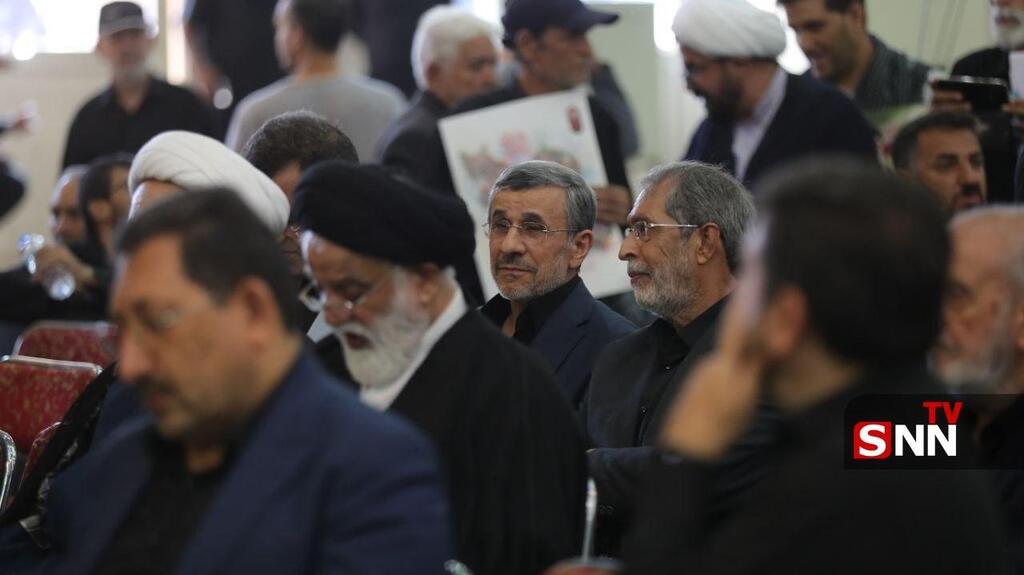
Former Iranian President Mahmoud Ahmadinejad resurfaced Tuesday at a memorial ceremony for slain Supreme Leader Ayatollah Ali Khamenei, following reports that Israeli intelligence had cultivated ties with him as part of an effort to position him for a possible return to power.
Ahmadinejad was photographed at the ceremony alongside senior Iranian officials, including President Masoud Pezeshkian, Quds Force commander Esmail Qaani, judiciary chief Gholam-Hossein Mohseni-Ejei and parliament speaker Mohammad Bagher Ghalibaf.
Ahmadinejad at Khamenei memorial ceremony


It was his second public appearance this week after months out of sight. He also briefly attended Khamenei’s funeral on Monday.
Four senior Iranian officials told The New York Times that Ahmadinejad was being held under house arrest by the intelligence arm of Iran’s Revolutionary Guard Corps after authorities uncovered much of his alleged contact with Israel.
His office denied the report, calling it “entirely false,” filled with “Hollywood claims” and based on a “ridiculous scenario” intended to sow confusion and conduct psychological warfare against the Iranian public. It said Ahmadinejad continued to carry out his routine activities and serve citizens.
The alleged Israeli effort was also hinted at in a post by a Persian-language account associated with the Mossad. The post showed an AI-generated image of several senior Iranian figures, including Ahmadinejad, Pezeshkian, Ghalibaf, Qaani and Foreign Minister Abbas Araghchi, each bearing a Star of David on their hands, under the caption: “Which one?”
The reported outreach followed a dramatic transformation in Ahmadinejad’s public image after he left office in 2013.
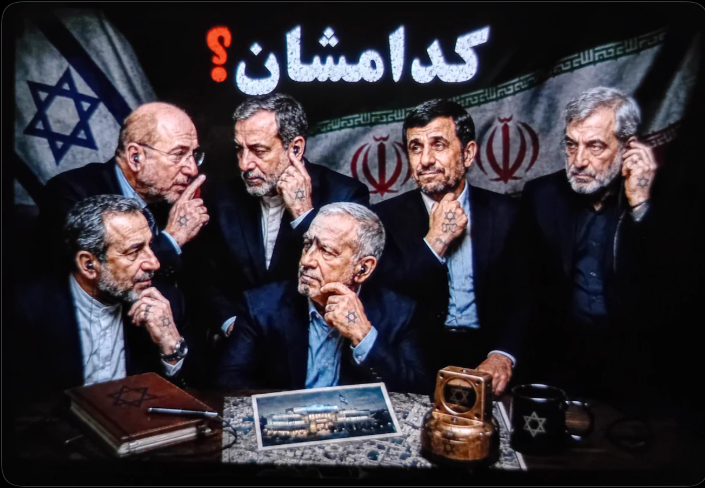
Senior Iranian officials with Stars of David on their hands in an AI-generated image posted by the Mossad’s Persian-language account
(Photo: Mossad)
During his presidency from 2005 to 2013, Ahmadinejad was one of the most prominent figures in Iran’s hardline camp. He repeatedly threatened Israel, oversaw the revival of Iran’s uranium enrichment program and presided over a violent crackdown following the disputed 2009 presidential election.
In the years after leaving office, however, he sharply reduced his anti-Israel rhetoric and worked to portray himself as a more moderate and independent political figure.
He began speaking publicly about Iranian pop culture, criticizing security forces over their violent suppression of protests and accusing the political establishment of economic corruption.
He also abandoned the oversized khaki jacket that had become his trademark, replacing it with tailored suits. He groomed his beard, appeared to have undergone Botox treatments and began studying English.
Ahmadinejad held lengthy public meetings at his Tehran office, listening to complaints from ordinary citizens and occasionally writing recommendations to government ministries for people seeking loans or help navigating state bureaucracy.
He also traveled around Iran to meet supporters in cities and rural provinces, maintaining a loyal following among parts of the working class.
His relationship with the Iranian establishment remained complicated. Officials marginalized him and restricted his movements, but he was still permitted to serve on the Expediency Council, a senior body that advises the supreme leader. He attended a council meeting in February, days before the outbreak of war.
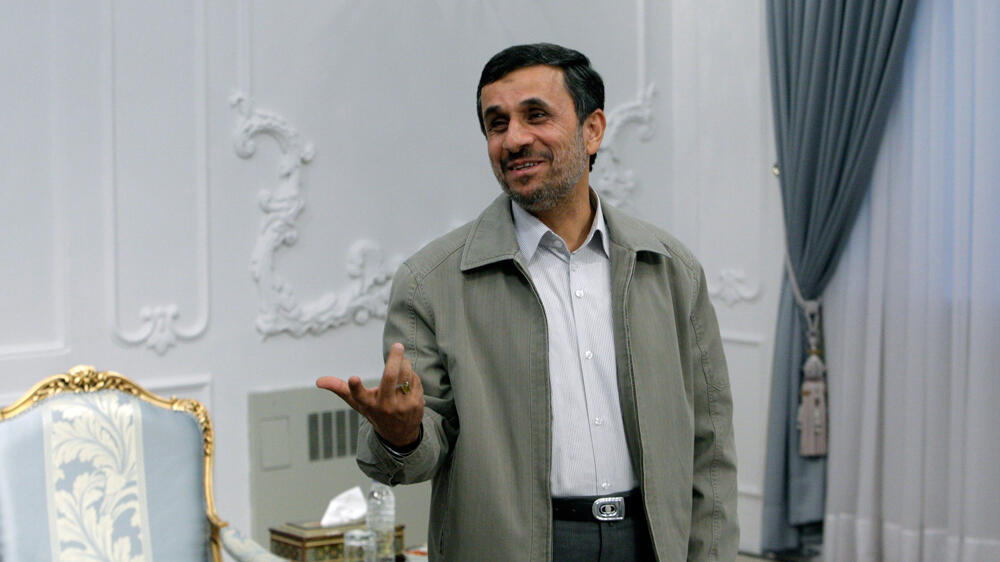
Back in 2012
(Photo: AP)
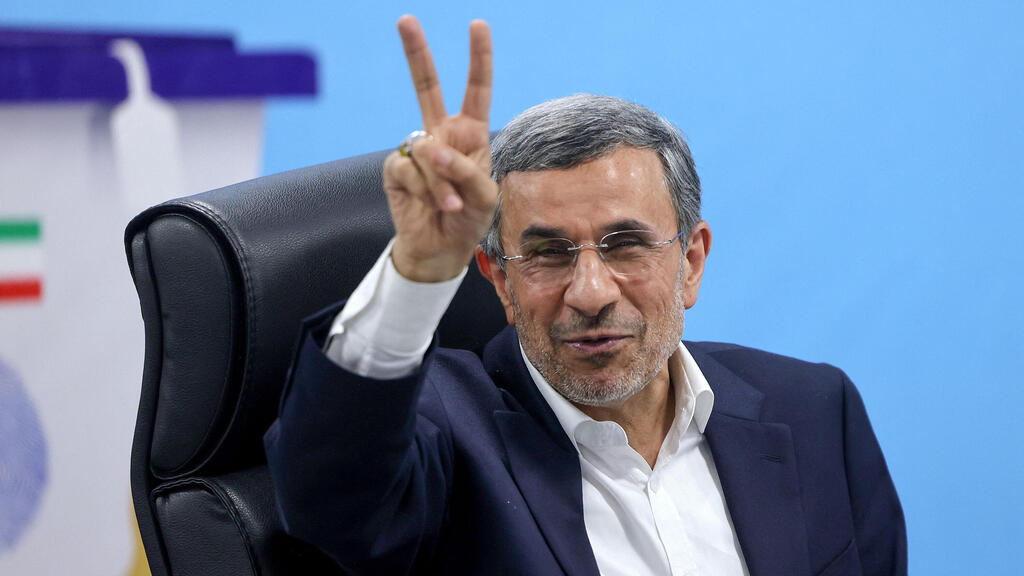
In 2024
(Photo: ATTA KENARE / AFP)
Many Iranians viewed his makeover as a cynical political maneuver intended to revive his populist image and distance him from the ruling elite. His advisers, however, believed he remained determined to return to power.
“Ahmadinejad would not do this for money. He has money and a broad economic network,” said Abdolreza Davari, a former close associate and senior adviser who later fell out with him. “He would do it for power. He wants to be the one holding the reins.”
According to a person close to Ahmadinejad, the former president told a small circle of confidants that he hoped one day to lead Iran with the assistance of foreign powers.
After being disqualified three times from running for president, he reportedly concluded that he could not return to power as long as the current political system remained intact.
The source said Ahmadinejad feared that a war or regime collapse could prompt the United States and Israel to install an exiled opposition figure unfamiliar with Iran, risking further instability.
He instead presented himself as a potential reformer in the mold of former Russian President Boris Yeltsin.
According to the source, Ahmadinejad said that if he returned to power, Iran would recognize Israel and normalize relations with it under U.S. President Donald Trump’s Abraham Accords.
Two Israeli security officials familiar with intelligence assessments at the time said Israeli agencies closely followed the widening rift between Ahmadinejad and the Iranian establishment, particularly his growing resentment toward Khamenei and other officials who repeatedly blocked him from seeking the presidency.
His activities also began attracting scrutiny from the IRGC’s intelligence division, which is responsible for protecting the Islamic Republic against foreign interference.
Two Revolutionary Guard members and another senior intelligence official said suspicions increased after Ahmadinejad began sending public letters to Trump in 2017 and later to Saudi Crown Prince Mohammed bin Salman.
It remains unclear when Israeli intelligence first attempted to establish contact with him.
Iranian officials said at least some of the alleged contacts began during Ahmadinejad’s 2023 visit to Guatemala for an environmental conference. Guatemala maintains relatively close diplomatic ties with Israel.
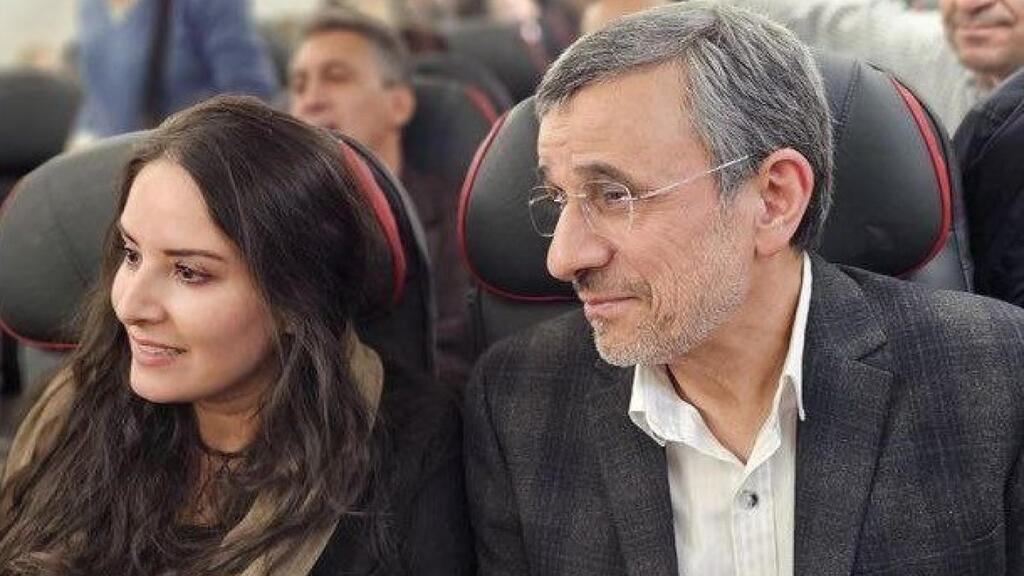
Ahmadinejad on his way to Guatemala after airport sit-in
The trip nearly did not happen. Iranian security forces stopped Ahmadinejad at Tehran airport, refused to issue him a boarding pass and prevented him from leaving the country.
He responded by staging a sit-in that lasted several hours. The confrontation became a media spectacle as he posed for photographs with travelers, airport employees and airline staff while posting frequent updates on social media.
Iranian authorities eventually relented and allowed him to board the flight.
“Some people told me not to travel to Guatemala,” Ahmadinejad said in one video. “I told them my brother, the environment minister, invited me.”
Alex Vatanka, director of the Iran program at the Middle East Institute in Washington, said Ahmadinejad’s estrangement from the Iranian establishment had long been known, including to Khamenei, who was reportedly troubled by his former protégé’s decision to visit Guatemala.
Vatanka nevertheless questioned the timing and motives behind the latest reports.
“Why would the Mossad let Ahmadinejad go after extracting him?” he asked. “Would you do that after investing so much? Perhaps all of this is simply an attempt to create tension within the regime, which would certainly be useful to its enemies.”