

Two rounds of indirect talks between the United States and Iran were completed on Friday in Muscat, the capital of Oman, amid heightened regional tensions. Iranian state television reported after the second round that “the atmosphere in the negotiations is more serious than in the previous round” and said talks could continue in the coming days.
According to the report, the discussions are focused on uranium enrichment levels.
Footage from the meetings
(Video: Oman News Agency)


Oman’s Foreign Ministry said earlier that Omani Foreign Minister Badr al-Busaidi held separate consultations with the Iranian and American delegations, concentrating on creating the appropriate conditions for resuming diplomatic and technical negotiations. A first round of indirect talks was held in the morning, followed by a second round completed around midday.
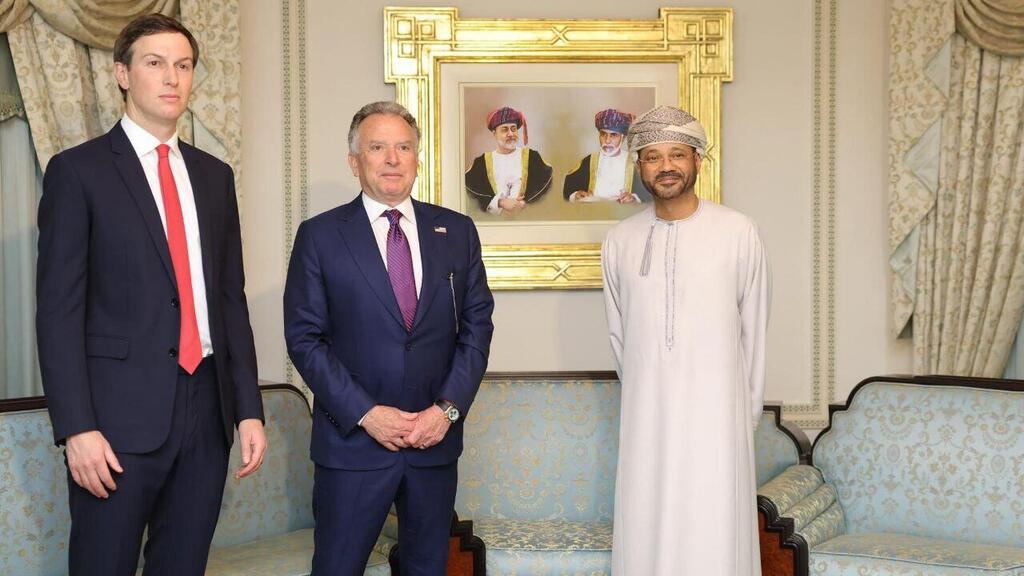
The talks are being conducted indirectly, with the delegations not present in the same building at the same time. The Associated Press reported that the Iranian delegation leaves the palace near Muscat’s airport before the American convoy, flying U.S. flags, arrives. During the first round, Iranian Foreign Minister Abbas Araghchi attended the talks, and only after his departure did the American delegation, led by Steve Witkoff and Jared Kushner, arrive.
Iran’s semi-official IRNA news agency said a political statement emerging from the first round could serve as a positive step toward easing regional tensions. “Iran’s most important demand in the negotiations is the removal of economic sanctions,” the agency reported. “Iran emphasizes its right to enrich uranium on its own territory as a red line and seeks a realistic agreement with clear results that preserves its nuclear rights and provides a basis for lifting sanctions.”
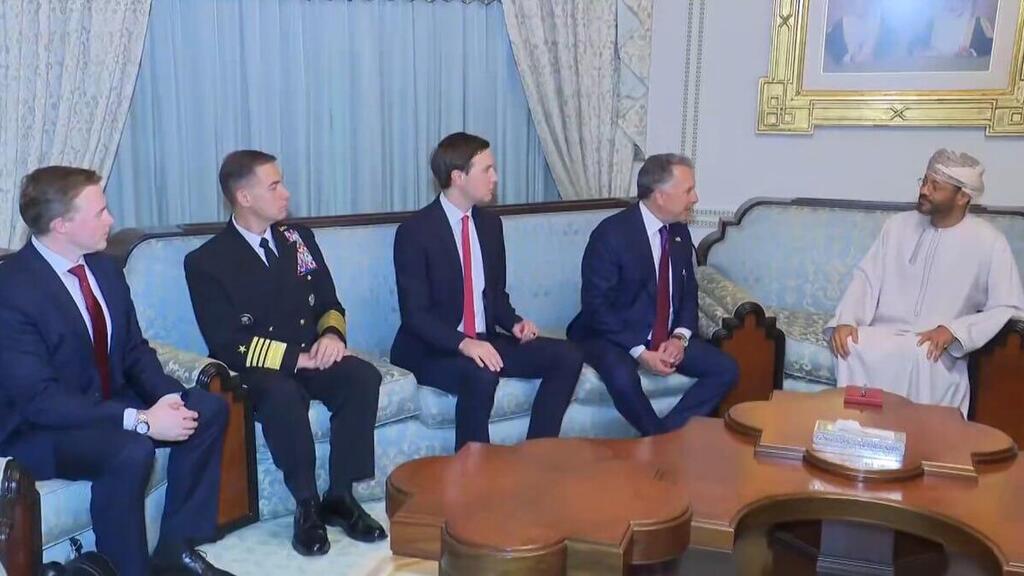
The US delegation includes special envoy Steve Witkoff and President Donald Trump’s son-in-law Jared Kushner. The Wall Street Journal reported that US Central Command chief Adm. Brad Cooper also took part in the talks in an unusual move. Footage released by Oman’s state news agency showed Cooper seated alongside Witkoff and Kushner during meetings with the Omani foreign minister.
An Iranian diplomatic source told Reuters that the presence of a military figure endangered the talks. Qatar-based Al-Araby TV quoted an Iranian diplomat as saying Cooper’s presence “sends a message that the negotiations are taking place under threat.” Tehran, the diplomat said, would not retreat from its strategic positions under military pressure, warning that escalating threats could impose strategic costs rather than advance negotiations.
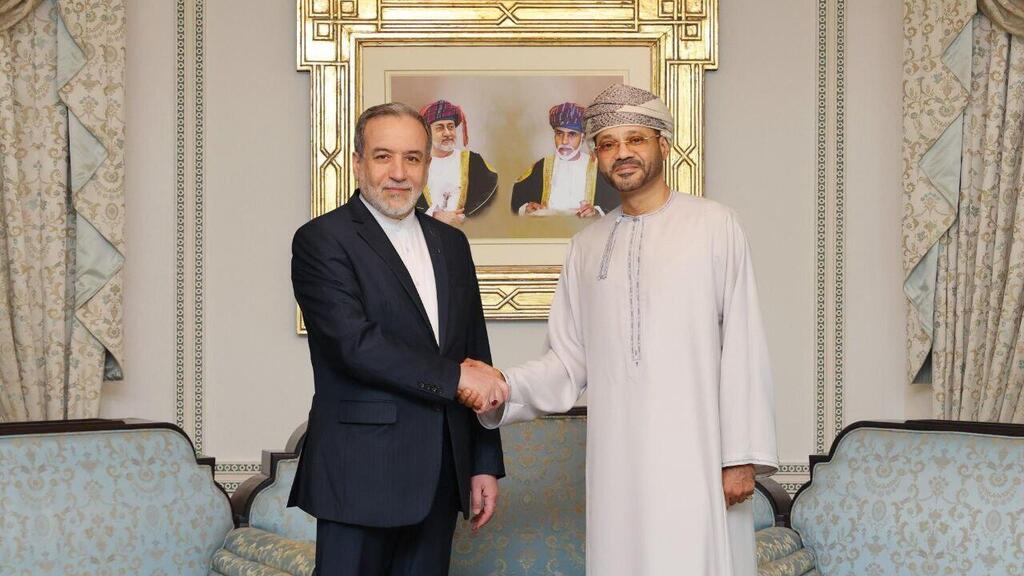
Iranian Foreign Minister Abbas Araghchi
(Photo: Oman's Foreign Ministry)
Ahead of the talks, Araghchi hinted that Iran had not forgotten what led to the collapse of previous negotiations, referring to the 12-day war launched by Israel and later joined by the United States, during which additional talks between him and Witkoff had been planned.
“Iran enters diplomacy with open eyes and with a memory of the past year,” Araghchi wrote. “We act in good faith and stand firm on our rights. Commitments must be honored. Equal standing, mutual respect and mutual interest are not rhetoric but essential pillars of a durable agreement.”
The talks took place against the backdrop of peak tensions between Washington and Tehran in recent weeks. The escalation followed Trump’s pledge during a wave of protests in Iran last month that “help is on the way” to demonstrators. While no such assistance has materialized, Trump has deployed what he has described as a “large armada” to the region, including the aircraft carrier Abraham Lincoln and eight destroyers.
(Photo: Oman News Agency)
Trump has warned Iran that it must move quickly toward an agreement or face military action, though he has not set a formal deadline. He has said “time is running out” and earlier this week warned Supreme Leader Ayatollah Ali Khamenei that he “should be very worried.”
NBC News reported overnight that Trump has not yet decided how to use the US naval buildup or what objectives a potential strike on Iran would pursue. According to US officials cited in the report, the Lincoln and its accompanying warships are moving into striking range of Iran as a response to rising tensions, not as part of a specific mission. The United States is also reported to have more than 450 Tomahawk cruise missiles on naval vessels in the Middle East.
Friday’s talks were the first since five rounds of US-Iran negotiations held in the first half of last year, also led by Araghchi and Witkoff. Those talks were mostly indirect and mediated by Oman, though the two officials did meet face to face and have remained in contact during recent weeks of tension.
Despite the renewed dialogue, gaps between the sides remain wide. Iran continues to insist that negotiations focus solely on its nuclear program. Araghchi said earlier this week in an interview with CNN that if the United States refrains from pressing what he called “impossible demands,” such as restrictions on Iran’s missile program, “there is a chance to reach an agreement within a short time.”
Against that backdrop, US and Israeli officials continue to assess whether diplomacy can contain the standoff or whether the current talks are merely a prelude to further escalation.