


Nearly a day after explosions shook Doha, the fate of senior Hamas officials targeted in Tuesday’s Israeli strike remains uncertain. The attack destroyed a villa believed to host a Hamas meeting, but no images or videos have emerged showing whether top leaders survived.
Hamas denied reports that its negotiation delegation was killed but has provided no proof of life for senior figures, including Khalil al-Hayya, Zaher Jabarin, Mousa Abu Marzouk, Mohammad Darwish and others. Hamas confirmed that al-Hayya’s son, al-Maam, was killed in the strike, along with several aides and a Qatari police officer.
Footage of the Israeli strike in Doha


Qatar has served as Hamas’s de facto safe haven in recent years, with about 1,000 members and their families living in Doha in government-provided housing. Senior officials reside in villas, while former prisoners and security staff have been given apartments. That sense of security was shattered by the Israeli strike.
Initially, Israeli intelligence agencies expressed optimism that the strike succeeded, believing the bombing occurred after the meeting began and that key leaders were inside. Sources said the explosions caused significant damage to the targeted structure.
However, doubts grew as hours passed without confirmation. Hamas announced that several leaders had escaped seconds before the strike after being warned and Israeli officials have yet to release a final battle damage assessment.
The attack has triggered international questions about Qatar’s air defenses. Despite possessing advanced U.S.-made Patriot and THAAD systems, Doha did not intercept the incoming missiles.
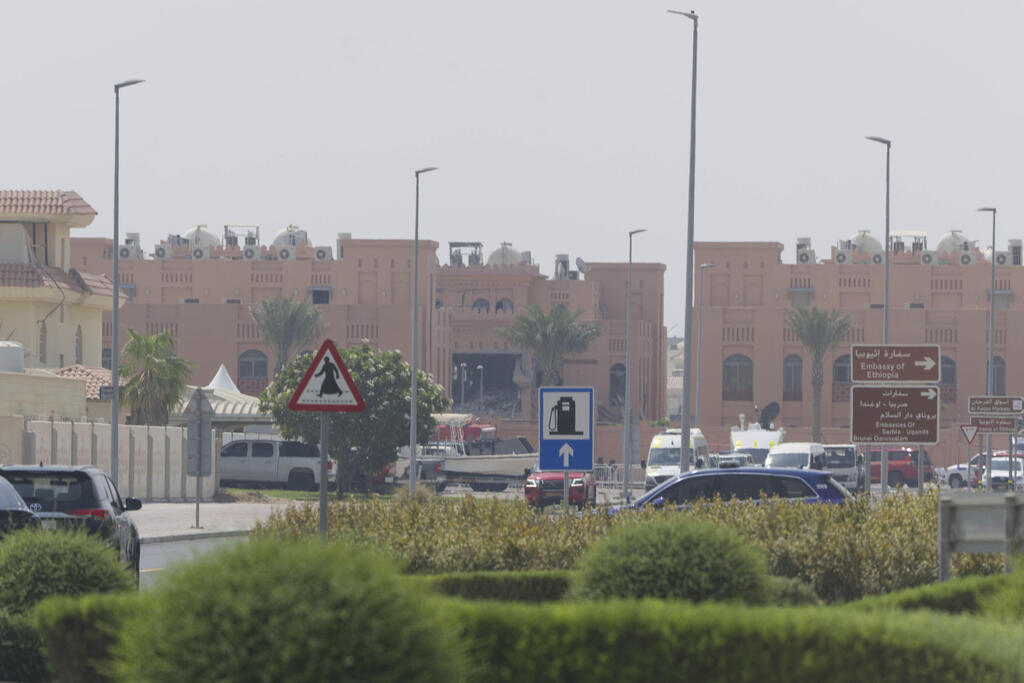
Qatar’s prime minister, Mohammed Al Thani, accused Israel of using unidentified long-range weapons launched from outside Qatari airspace and called the strike “an Israeli terrorist attack designed to destabilize the region.”
The fallout is diplomatic as well as military. According to The Washington Post, Qatari officials were “shocked and felt betrayed,” saying Israel and the U.S. had assured Doha last month that Hamas leaders based there would not be targeted. Qatar is now reportedly reconsidering its role as mediator in ongoing hostage negotiations.
Within Israel, the strike has deepened divisions. Prime Minister Benjamin Netanyahu and Defense Minister Israel Katz backed the operation, as did Strategic Affairs Minister Ron Dermer, who believed U.S. President Donald Trump’s administration would not object.
By contrast, IDF Chief of Staff Eyal Zamir, Mossad chief David Barnea, National Security Council head Tzachi Hanegbi and IDF Military Intelligence Directorate chief Shlomi Binder reportedly warned against the timing, arguing it could jeopardize progress on a U.S.-backed framework for a potential hostage deal.
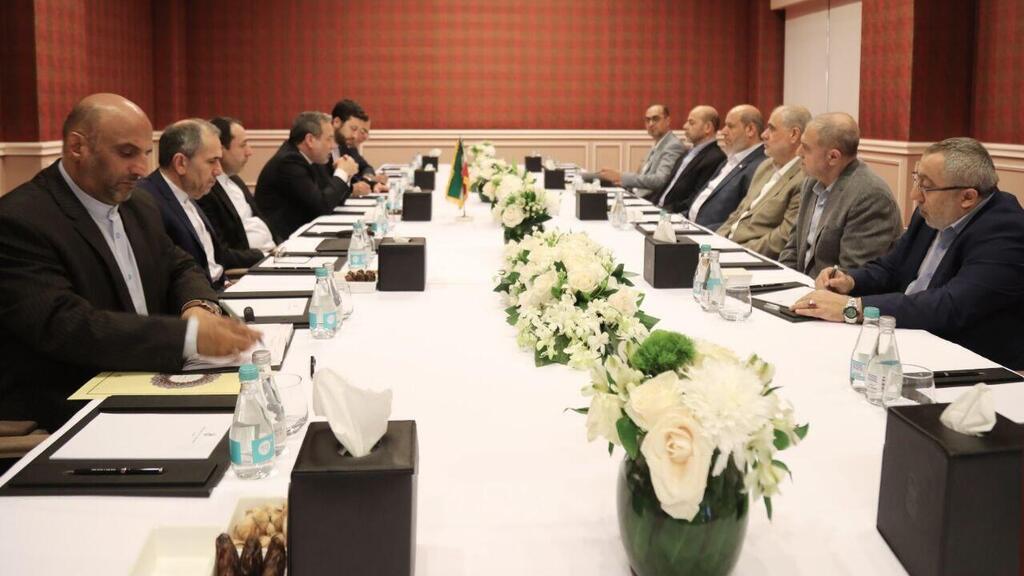
Hamas leaders' meeting in Doha before the strike
Trump publicly distanced himself from the attack, saying the decision was Netanyahu’s alone. “This morning, the Trump Administration was notified by the United States Military that Israel was attacking Hamas which, very unfortunately, was located in a section of Doha, the Capital of Qatar,” Trump wrote on Truth Social.
“This was a decision made by [Israel's] Prime Minister Netanyahu, it was not a decision made by me," he said, adding Qatar was a "strong ally and friend.” The situation remains tense. With Gulf states sending delegations to Doha—including the UAE’s president, Jordan’s crown prince and soon Saudi Arabia’s Mohammed bin Salman—the regional stakes are rising.
Yet without clarity on whether Hamas’s top leadership was eliminated, analysts warn the strike may have dealt more damage to diplomatic channels than to Hamas itself.