


Israeli officials are preparing to publicly reject an anticipated announcement by the Lebanese Armed Forces that it has met its goal of “demilitarizing southern Lebanon,” a key element of a plan to disarm Hezbollah that includes clearing the area south of the Litani River of heavy weapons.
While Lebanon’s army is expected to declare that it has successfully taken control of the territory and reduced Hezbollah’s military presence there, Israeli authorities are likely to dispute that claim. They contend that the Iran-backed terrorist group has not truly been disarmed and, in some respects, is already rebuilding elements of its infrastructure.
Gallery
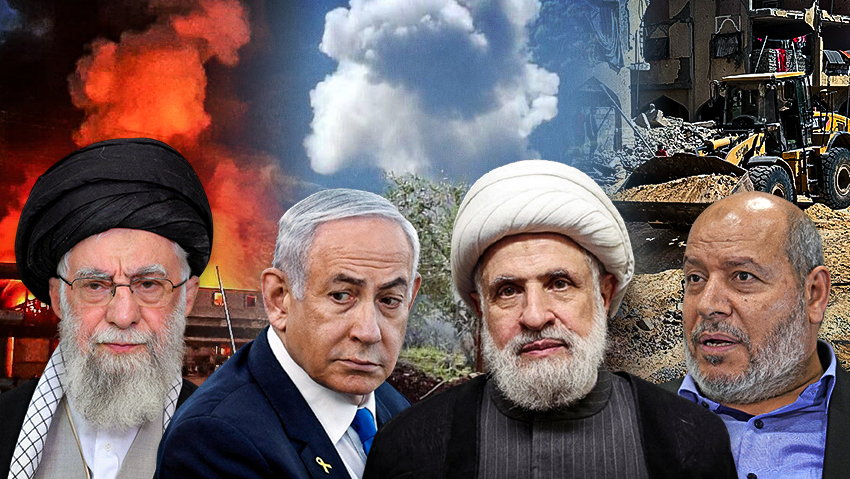
(Photo: AP/Photo Khalil Hamra, REUTERS/Amir Cohen, Office of the Iranian Supreme Leader/WANA (West Asia News Agency)Handout via REUTERS)
According to media reports, Jerusalem has also been sending “calming messages” to Tehran, asserting that it does not intend to exploit internal unrest in Iran to launch an attack, despite ongoing widespread protests, the regime’s attempts to suppress dissent and hostile rhetoric directed at Israel.
Against that backdrop, Israel is preparing for a targeted, time-limited operation against Hezbollah. Defense officials stress that this would not constitute a full-scale war, but rather a more intense campaign than the routine clashes that have characterized the volatile northern border in recent years. In the meantime, the IDF continues so-called “grass-cutting” operations — efforts to deter and degrade terrorist capabilities — and are building up their readiness for a potential escalation.
The course of events on the northern front is also expected to be shaped by how the situation in Iran evolves and its wider implications for the region.
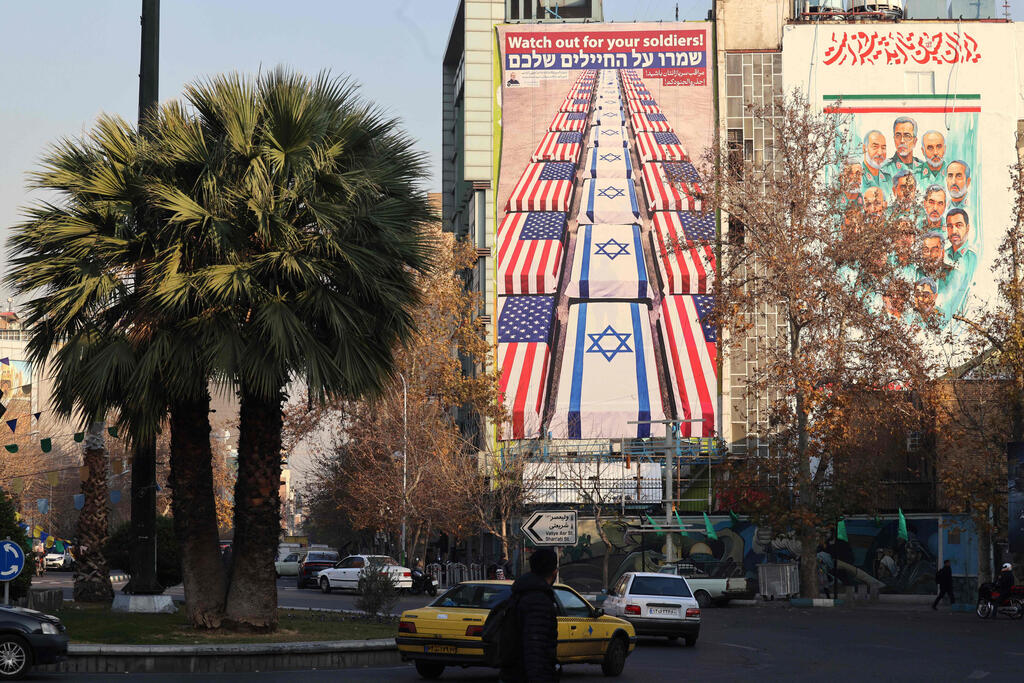
A billboard at Tehran’s Palestine Square showing coffins draped with US and Israeli flags and the words, in Hebrew and English, 'Watch out for your soldiers'
(Photo: ATTA KENARE / AFP)
On the diplomatic front, U.S. President Donald Trump appeared to place the decision over any escalation squarely with Israeli leadership. At a summit in Mar-a-Lago, Florida, Trump said he would “fully back” whatever course of action Prime Minister Benjamin Netanyahu decides to take, granting political support for Jerusalem’s strategic choices.
Message to Iranians: Israel not Intending to attack
With a potential link emerging between unrest in Iran and the timing of any operation in Lebanon, Israel has sent “reassurance messages” to Tehran — through both covert and overt channels — stating that it does not intend to seek escalation and has no plans to take advantage of the situation to attack Iran.
Israeli messages were relayed via the United States, Russia and European countries, but the Iranian response has been firm: in Tehran, officials have said they do not trust Israel and believe it is lying. The outreach was motivated by concerns that Tehran might misinterpret the unrest as a sign that the Islamic Republic is losing control, leading it to conclude that Israel might exploit the situation to strike.
A senior Israeli official addressed the tension, saying, “We hope the unrest in Iran grows into something significant. But we are careful not to raise expectations or spoil anything.” He added, “The Americans like it but can’t say if it’s meaningful or not. The protests are large, but some assessments suggest the regime may be allowing a ‘release of steam’ without using its full force, trying to contain it.”
Preparations for reopening Rafah Ccrossing — even without return of Ran Gvili
Regarding renewed efforts to find the last hostage missing in Gaza, Ran Gvili, mediators are pressing Hamas and Palestinian Islamic Jihad hard, and significant search efforts are underway. Israeli assessments are that Trump will announce next week, on Jan. 15, a move to the second phase of the ceasefire agreement.
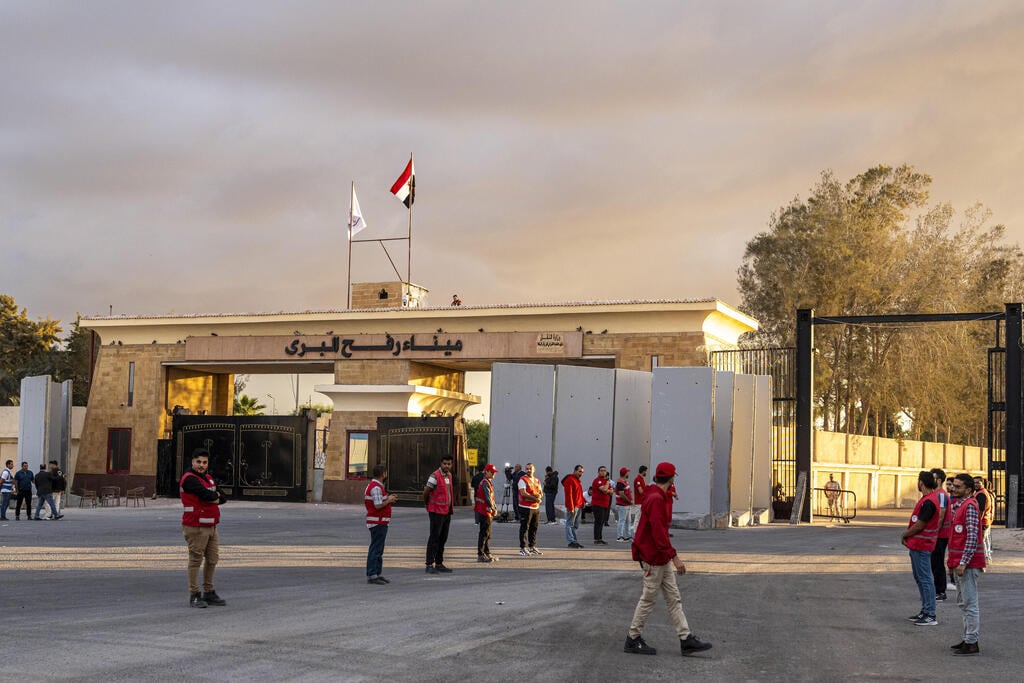
Rafah crossing
(Photo: Ali Moustafa/Getty Images)
Accordingly, it appears that Israel is preparing for the reopening of the Rafah crossing even if Gvili has not been returned by then, despite public criticism of the step and his family’s demand that the transition to phase two not occur until he is brought home for burial in Israel. In any case, if the crossing is opened in both directions, Israel is expected to allow a limited number of people — several dozen per day — to enter under strict security supervision.