

Israel has sent advanced weapons systems, including a newly operational laser-based air defense system, to the United Arab Emirates (UAE) to help counter Iranian missile and drone attacks, according to a report published Thursday in the Financial Times.
Citing two people familiar with the matter, the report said Israel rushed over a lightweight surveillance system called Spectro, which helped the UAE to detect incoming drones, especially Shahed drones, at ranges of up to 20 kilometers (12 miles). Israel also reportedly deployed a version of its laser interception system, known as Iron Beam.
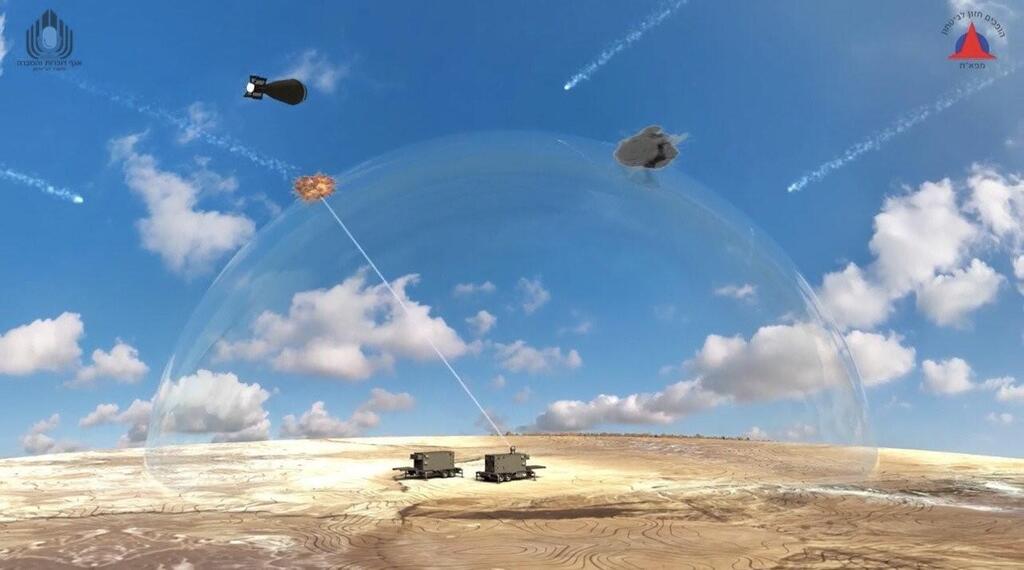
The laser system, designed to intercept short-range rockets and unmanned aerial vehicles, only recently became operational. Israel first deployed it earlier this year to defend against launches from Lebanon by Hezbollah.
The presence of both the Iron Beam and Spectro systems in the UAE has not been previously reported. Earlier this week, reports indicated that Israel had also sent an Iron Dome air defense system to the Gulf country, along with personnel.
One source cited in the report said additional Israeli weapon systems and forces were deployed to the UAE, describing the presence as significant. Another person briefed on the matter described the urgency of the transfer, saying some of the systems were still in prototype stages or not yet fully integrated into Israel’s own radar networks.
According to the Financial Times, Israel also shared real-time intelligence on Iranian preparations to launch short-range missiles from western Iran toward the UAE.
The report said the UAE bore the brunt of Iran’s retaliatory strikes during a broader conflict involving the United States and Israel against the Islamic Republic. Iran reportedly launched more than 500 ballistic missiles and over 2,000 drones toward the UAE.
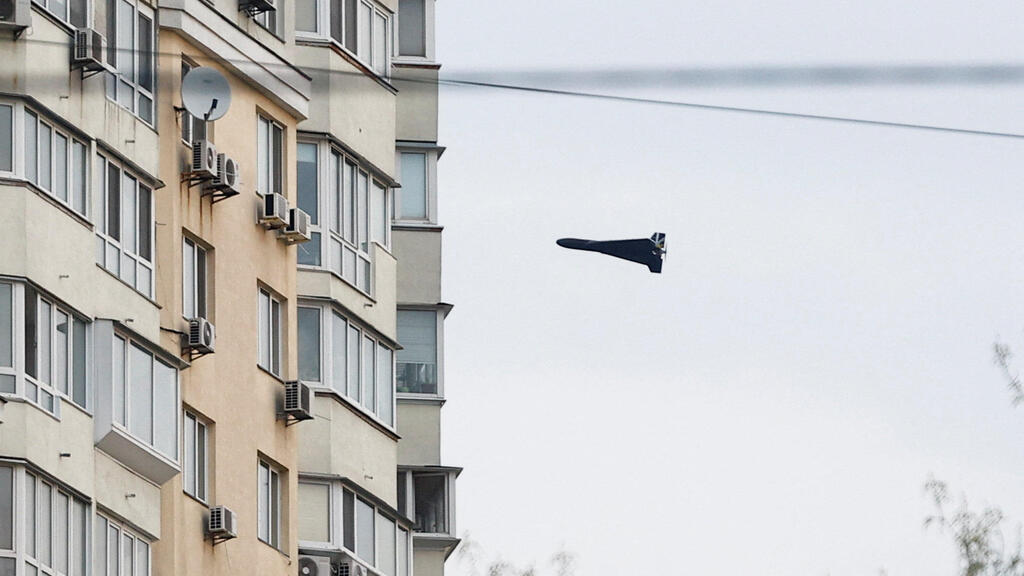
Shahed drone of Russia in attack on Kyiv Ukraine
(Photo: REUTERS/Valentyn Ogirenko)
Most of the projectiles were intercepted, as the UAE deployed multiple air defense systems, including equipment supplied by Israel.
The scale of the attacks has strained interceptor stockpiles among the United States, Israel and Gulf states. Some advanced interceptors cost millions of dollars per unit and can take months to produce. The Center for Strategic and International Studies estimated that by the time Iran and the United States agreed to a ceasefire, the U.S. military had used roughly half of its stocks of Terminal High Altitude Area Defense and Patriot interceptors.
The situation has increased demand for lower-cost and more flexible interception systems. These include technologies developed in Ukraine to counter Russian drones based on Iranian Shahed designs, which have proven difficult to detect due to their small size and low heat signature.
This would allow the UAE to replace the heat-seeking capacity of the old Sidewinder missiles with “passive laser seeker heads”, which would work in tandem with Elbit’s Spectro surveillance system to mark Shahed drones for interception.