

Syrian authorities announced Sunday that they have arrested members of what they described as a terror cell responsible for rocket and drone attacks on a Damascus neighborhood and a nearby military airport, claiming the weapons used were supplied by Hezbollah. The Lebanese terror group denied the accusations.
In recent months, Syria has repeatedly reported attacks targeting the al-Mezzeh neighborhood in the capital, Damascus, as well as a military airport in the area, including rocket fire. On Sunday, Syria’s Interior Ministry said security forces had uncovered a terror cell involved in the attacks and seized weapons during the operation.
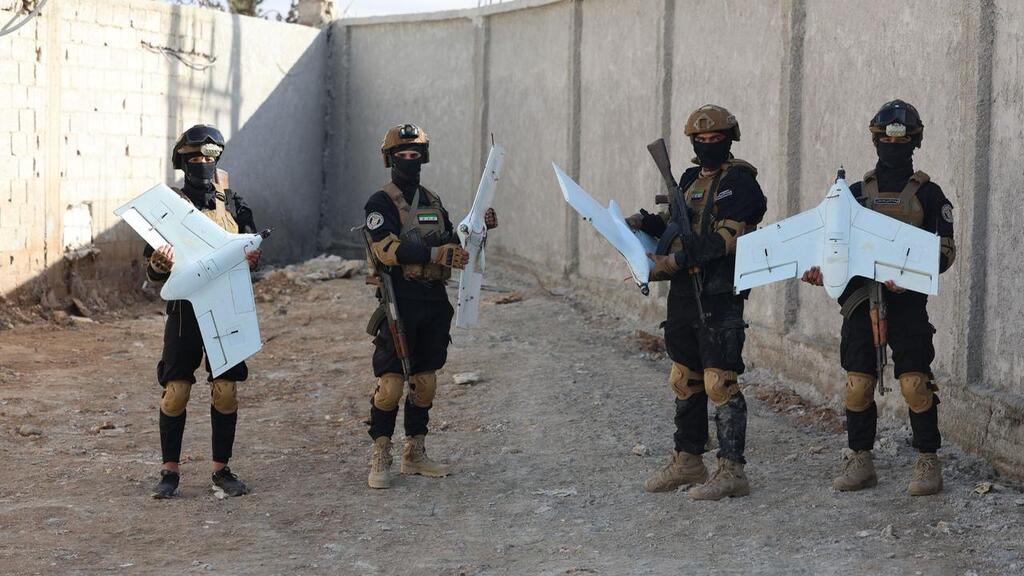
According to the ministry, preliminary interrogations revealed that the detainees were linked to “foreign entities,” and that the rockets and drones used in the attacks originated with Hezbollah in Lebanon. The suspects also allegedly admitted they were planning additional drone attacks before being arrested.
Hezbollah denies involvement
As expected, Hezbollah denied any connection to the incident, insisting it does not operate on Syrian soil. In a statement issued by the group’s media office, Hezbollah said: “In response to the accusations made by Syria’s Interior Ministry, the media office reiterates Hezbollah’s position that it has no activity or ties to any party in Syria. Hezbollah has no presence on Syrian territory and is committed to Syria’s unity and security.”
Syria’s Interior Ministry identified the arrested suspects as Khaled Abdullah al-Issa al-Halou and Hussein Aboud al-Hamadi al-Ali. According to the statement, the two men were involved in planning and carrying out attacks against the al-Mezzeh area and the nearby military airport, as well as preparing additional drone-based attacks.
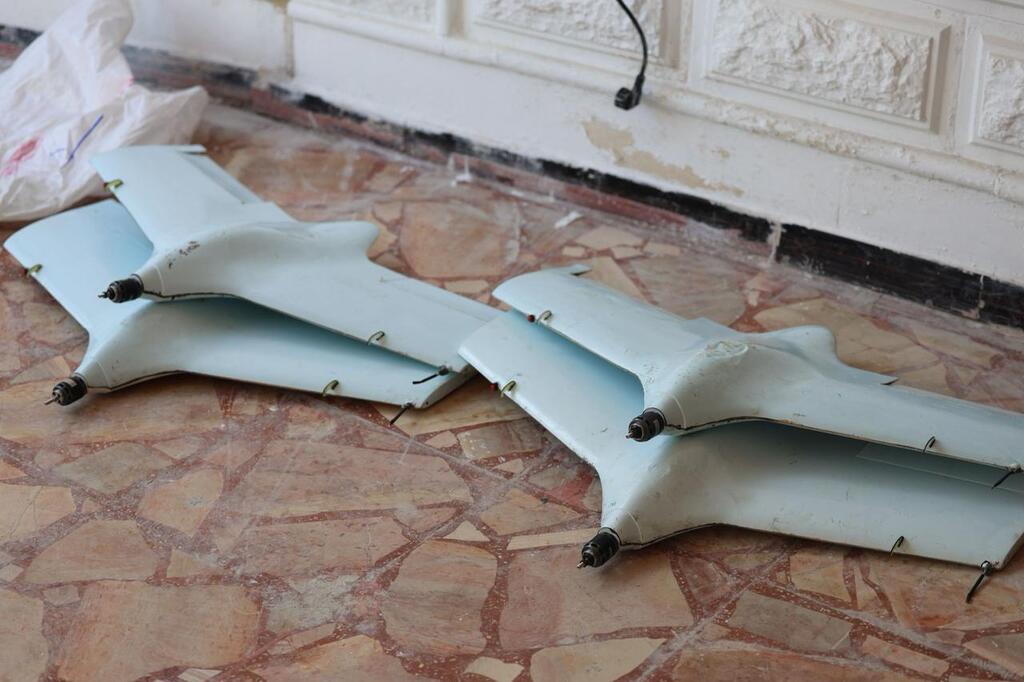
Seized drones
“Their plot was thwarted before it could be carried out,” the ministry said, adding that the suspects were apprehended following surveillance of locations believed to have been used as launch sites for the attacks on Damascus.
The ministry said the suspects were transferred to the counterterrorism department to complete the investigation and face legal proceedings under relevant laws. Interior Minister Anas Khattab had announced Saturday on X that the “criminals” responsible for repeated attacks on al-Mezzeh and the military airport had been arrested, but details of their identities and the weapons involved were disclosed only on Sunday.
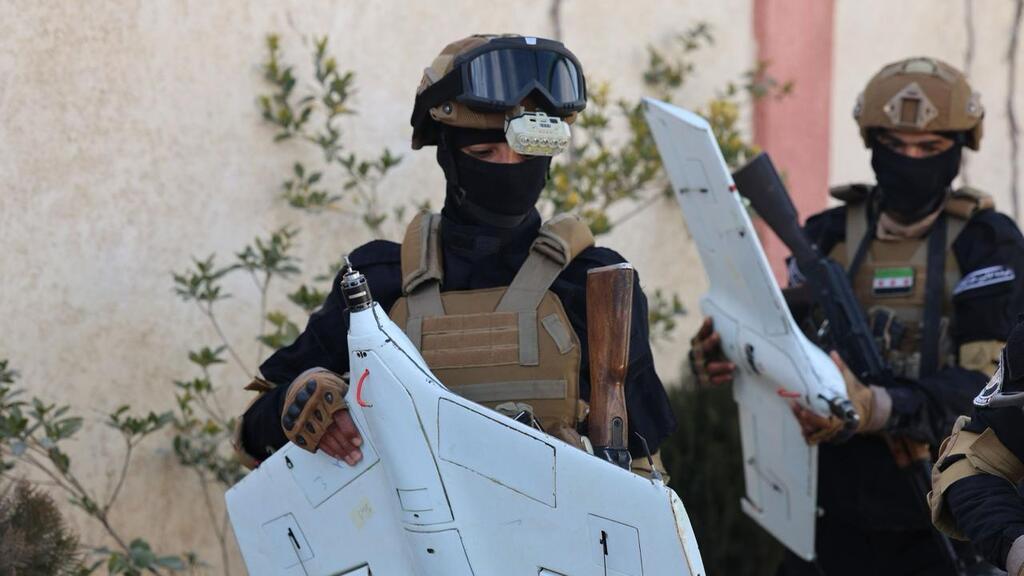
Hezbollah’s shifting presence in Syria
In the past, Hezbollah maintained close ties with Syria’s former regime under ousted President Bashar Assad. Alongside deploying forces to support the regime, the group used Syrian territory to smuggle weapons from Iran and Iraq.
However, since the uprising that toppled the Assad regime more than a year ago, led by rebels under Ahmad al-Sharaa, Hezbollah has largely withdrawn its forces from Syria. The group has also struggled to continue weapons smuggling, in part due to Israeli military activity, and clashes have occasionally erupted between al-Sharaa’s forces and Hezbollah operatives.
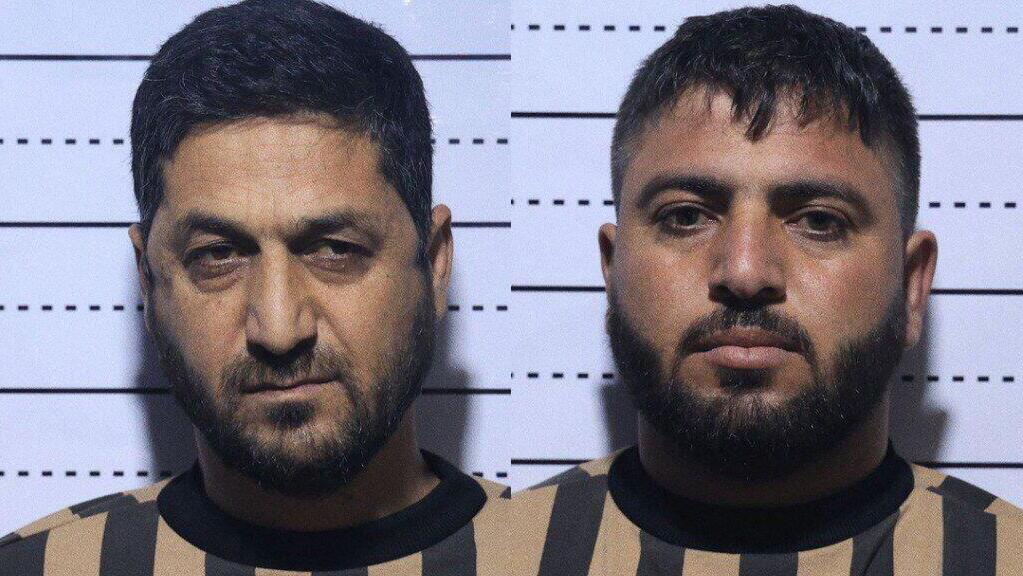
Two members of the ‘terror cell’ arrested in Syria
Sources told Reuters that during its withdrawal, Hezbollah left behind weapons stockpiles, including drones, at several locations inside Syria.
Following the arrests, Ahmed al-Dalati, head of internal security in the rural Damascus area, told Saudi-owned Al Arabiya that “Hezbollah denies involvement, but we have arrested several networks linked to Hezbollah that smuggle weapons and drugs and are familiar with Syria’s geography.”
He added that Hezbollah had succeeded in recruiting Syrians who operate as “sleeper cells,” saying security forces are monitoring terror activity whether linked to Islamic State or Hezbollah, particularly in areas with security vacuums.
Al-Dalati also said that many of the attacks coincided with visits by foreign delegations, and that Syria is coordinating with Lebanon to tighten border control. “Discussions with Lebanon on border monitoring are at an advanced stage,” he said.