

Israel’s Supreme Court on Sunday threw out four legal challenges to a landmark maritime agreement between Israel and Lebanon, clearing a major hurdle for the deal that could mark a major breakthrough in relations between the two countries.
The court did not immediately release its reasons for rejecting the challenges, which were submitted by an influential conservative policy group and an ultranationalist Israeli politician, among others.
The court’s ruling paves the way for the agreement to be given final approval by Israel’s the government, a step expected later this week.
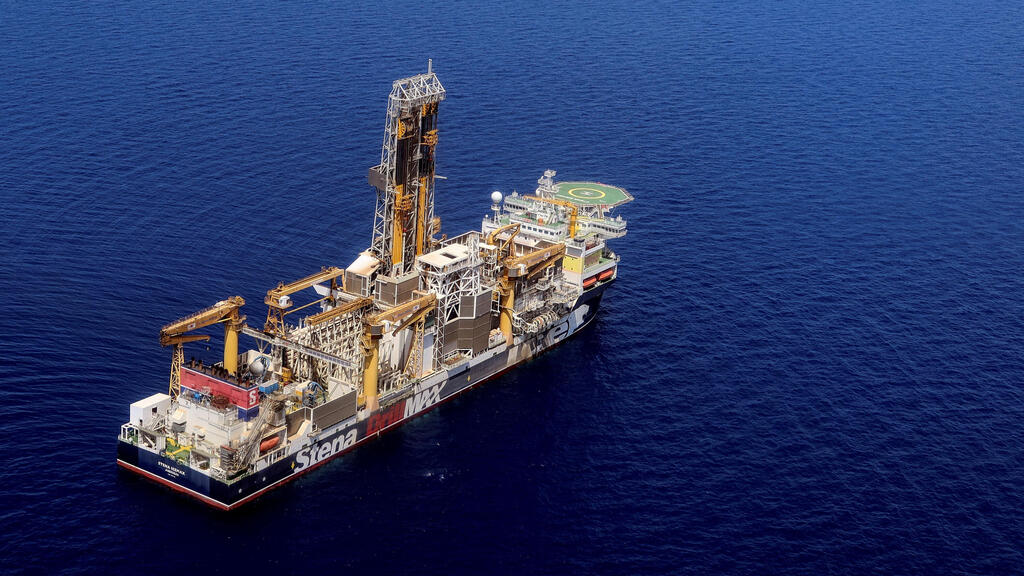
Lebanon and Israel both claim some 860 square kilometers (330 square miles) of the Mediterranean Sea. At stake are rights over exploiting undersea natural gas reserves.
Lebanon hopes gas exploration will help lift its country out of its spiraling economic crisis. Israel also hopes to exploit gas reserves while also easing tensions with its northern neighbor.

Lebanese President Michel Aoun, Prime Minister Yair Lapid
(Photo: Amit Shabi, AP)
Israel and Lebanon and formally have been at war since Israel’s establishment in 1948. In 2006, Israel and the Shiite militant group Hezbollah fought a monthlong, inconclusive war and tensions with the group remain high.
Israel says the deal will bolster its security, help stabilize the northern frontier and boost the economy with billions in revenue from any gas discovered.