

When President Donald Trump assembled his foreign policy and national security team at the beginning of 2025, he created a mix of ideological isolationists and aggressive hawks — a lineup that appeared to represent a major victory for Prime Minister Benjamin Netanyahu’s strategy of fully backing the Republican candidate during the election.
But a year and a half later, that coalition has turned into a complicated battle between the advisers competing for the ear of the most powerful man in the world.
Gallery
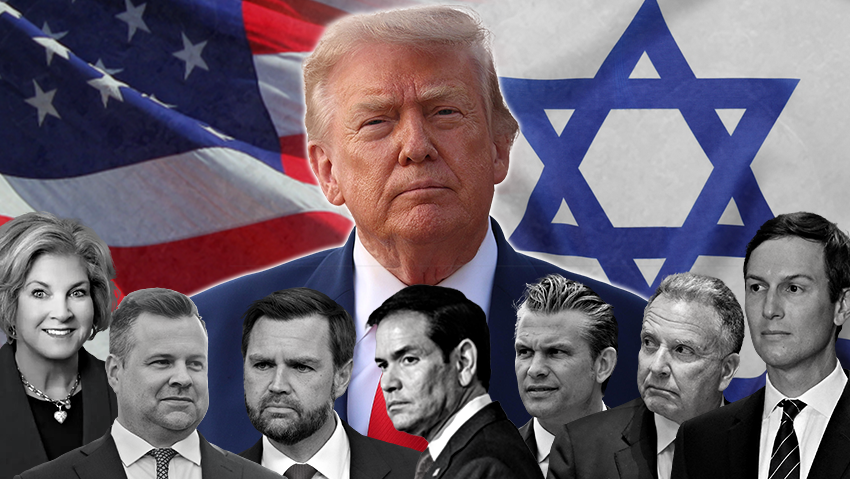
Trump’s inner circle
(Photo: AP Photo/Jacquelyn Martin, REUTERS/Ammar Awad, AP Photo/Alex Brandon, Ezra Acayan/Pool via REUTERS, AP Photo/Jeremias Gonzalez, Kevin Dietsch / GETTY IMAGES NORTH AMERICA / AFP, Jewelzz/shutterstock, New Africa/shutterstock)
The isolationist camp was always the smaller faction: Vice President JD Vance and former Director of National Intelligence Tulsi Gabbard. The hawks had the advantage from the start, including Secretary of State Marco Rubio, Defense Secretary Pete Hegseth, former National Security Adviser Mike Waltz, former UN ambassador nominee Elise Stefanik and Middle East envoy Steve Witkoff.
One thing united many of the hawks: unwavering support for Israel. Together with Mike Huckabee’s appointment as U.S. ambassador to Israel and Jared Kushner’s unofficial role behind the scenes, Trump’s original foreign policy circle looked like a dream scenario in Jerusalem.
A year and a half later, however, much of that original team has changed. Gabbard left the administration amid personal reasons and a significant decline in her influence. Her effective replacement, Bill Pulte, is far more businessman than intelligence official. Waltz left his role as national security adviser after becoming embroiled in the controversy over a Signal group chat that included senior Trump officials and Atlantic editor Jeffrey Goldberg, where they discussed plans for strikes against the Houthis in Yemen.
Waltz was later compensated with the role of ambassador to the United Nations, effectively ending Stefanik’s immediate path to the position.
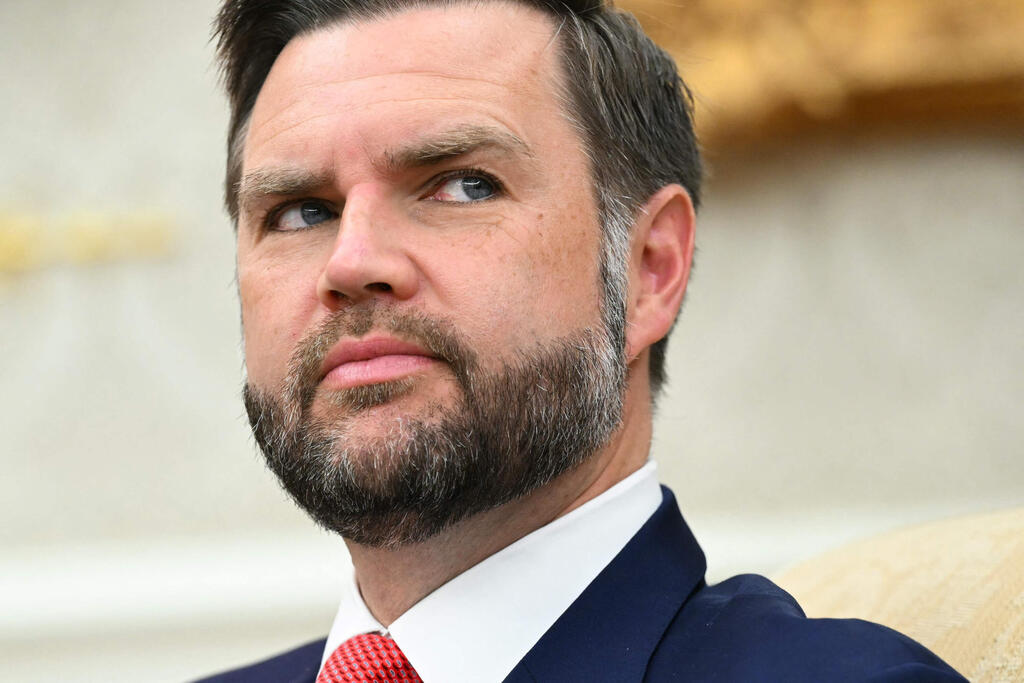
Vance: The last isolationist standing
(Photo: SAUL LOEB / AFP)
Without Gabbard, Vance remains the only senior figure who truly embraces the isolationist worldview often incorrectly associated with Trump.
Trump himself has never been a traditional isolationist. His promise to “end all wars on day one” and avoid new conflicts has repeatedly collided with his willingness to use American power aggressively. While Trump remains deeply skeptical of Europe and international cooperation, that does not necessarily make him an isolationist.
Trump’s approach toward Israel is influenced by the people around him, but also by his personal instincts and whether he feels he is receiving enough political loyalty and praise. His pro-Israel advisers, however, are ideological believers, meaning polls showing declining support for Israel among Americans do not necessarily change their views.
Hegseth, for example, believes strongly in using force whenever necessary. He is also an evangelical Christian who describes himself as a Zionist. His support for Israel is deeply connected to his religious worldview, and he repeatedly pushed not only for military action against Iran but also for strikes on Iranian energy infrastructure.
Rubio is also a longtime supporter of Israel and a traditional foreign policy hawk, but unlike Hegseth or Huckabee, his position is not primarily driven by religious beliefs. Once considered part of the pre-Trump Republican establishment, Rubio operates more like a traditional secretary of state.
That means he has no problem publicly arguing that certain Israeli government policies, such as a possible Israeli takeover of parts of Gaza, may conflict with the Trump administration’s broader strategy.
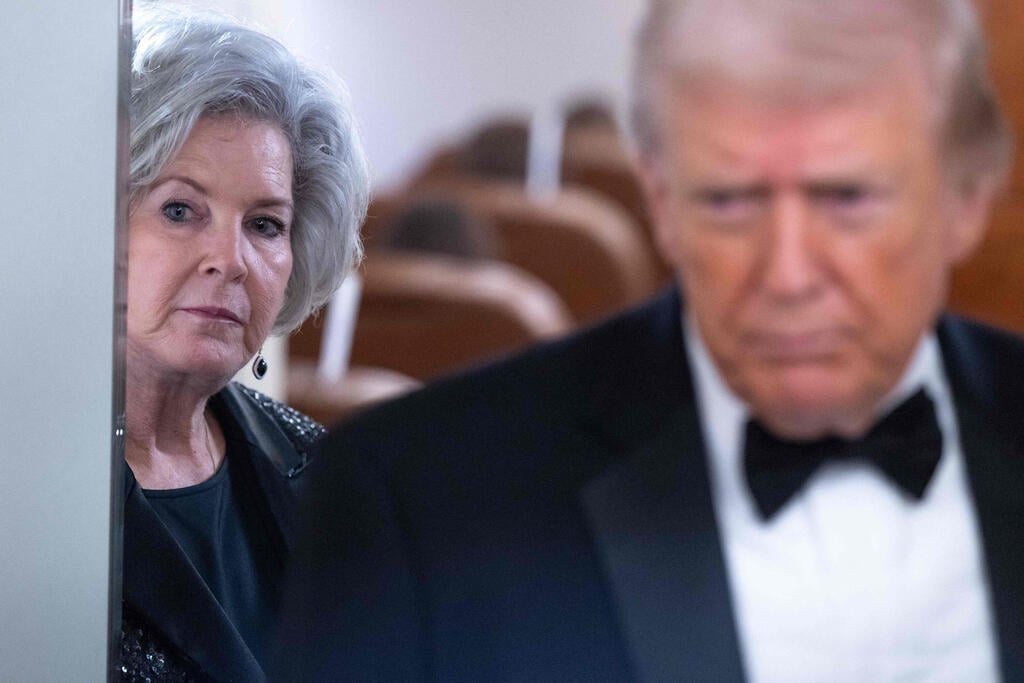
Susie Wiles
(Photo: SAUL LOEB / AFP)
Witkoff and Kushner are perhaps closest to what matters most to Trump: creating conditions for major Middle East deals. Their influence grew after the success in securing the final stage of the hostage releases, giving them momentum when they entered negotiations with Iran in Oman shortly before the war began.
The fact that the war erupted while Iran believed it was negotiating a possible agreement with Washington changed the dynamic. During later ceasefire talks, Iranian officials reportedly refused to negotiate with Witkoff and Kushner and insisted on dealing directly with Vance instead.
The reason was not difficult to understand. Vance had expressed skepticism about the Iran war even before it began. Although he publicly supported the operation — as vice presidents traditionally do regarding their president’s decisions — he gradually became a more vocal critic.
At the same time, he began combining his opposition to the war with increasingly harsh criticism of Israel and rhetoric that critics have accused of echoing antisemitic conspiracy theories.
Vance accused Israel of attempting to manipulate American public opinion in order to push the United States into an endless war with Iran. He cited investigations by Time and The Wall Street Journal that reported on Israeli efforts to influence American audiences.
Vance has attempted to distinguish between what he describes as Israeli influence efforts and Trump himself, arguing that the president was not influenced by Israel when deciding to go to war.
After Gabbard’s departure, Vance lost a close ally inside the administration. Her replacement, Bill Pulte, comes from a financial and business background rather than intelligence. Alongside his role as acting intelligence chief, he also heads the Federal Housing Finance Agency and serves as chairman of government-backed mortgage giants Fannie Mae and Freddie Mac.
His strongest qualification, however, is his personal loyalty to Trump. Pulte is considered a major Trump admirer and has even earned the nickname “Little Trump.” He reportedly pushed for the intelligence role himself, and despite surprise among some White House officials, Trump approved the appointment.
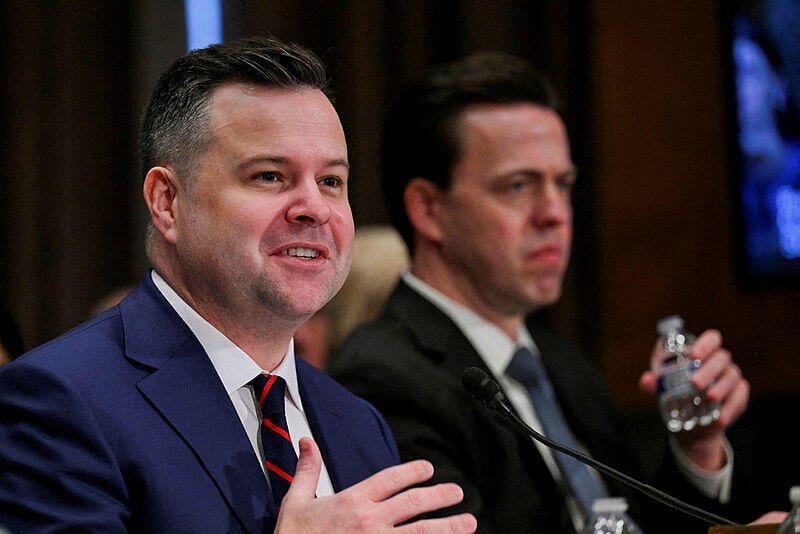
Bill Pulte
(Photo: REUTERS/Annabelle Gordon/File Photo)
Pulte’s views on the Middle East remain unclear, but his position is expected to largely follow Trump’s own, even as the president’s views often shift.
The final major voice around Trump, and sometimes the most important one, is White House Chief of Staff Susie Wiles. Like previous White House chiefs of staff, her primary mission is not foreign policy but protecting the president’s political interests.
During an April meeting with Trump advisers, Wiles reportedly warned against presenting an overly optimistic picture of the Iran war. She argued that advisers were showing Trump footage of successful strikes that excited him while hiding the broader public opposition to the conflict inside the United States.
Wiles warned that a war with Iran, costing American lives and pushing U.S. gasoline prices above $4 per gallon, could become a political disaster for Republicans in the November midterm elections.
Trump listens to Wiles and to his inner circle, which remains broadly supportive of Israel. But his recent decision to sign a nuclear agreement with Saudi Arabia suggests that Kushner and Witkoff may currently have the strongest influence over his Middle East priorities. And a new Trump-branded hotel in Riyadh may now only be a matter of time.