

Former Mossad chief Yossi Cohen has offered a rare and unusually detailed account of Israel’s covert operations, from the long-planned pager attack against Hezbollah to the theft of Iran’s nuclear archive and sabotage at the Natanz nuclear facility, in a wide-ranging interview with French magazine Le Point.
The magazine described Cohen as the “Israeli James Bond,” a label often attached to the former intelligence chief, who led the Mossad from 2016 to 2021. In the interview, Cohen discussed past and present Israeli security challenges, including Hezbollah, Iran, October 7, spycraft and the moral boundaries of intelligence work.
Footage from the moments the pagers exploded, wounding Hezbollah terrorists across Lebanon


Cohen said he was involved in the long-term planning of the pager operation while he headed the Mossad. According to him, many of the devices were designed to alert users to an encrypted message that could be opened only by pressing two buttons simultaneously. That meant the user had to hold the device with both hands, close to the face or chest, increasing the effect of the blast.
He said the walkie-talkies and other communications devices involved in the operation had been used by Hezbollah for years, creating a major vulnerability inside the terror group’s security apparatus.
‘Immediate understanding’ with Putin
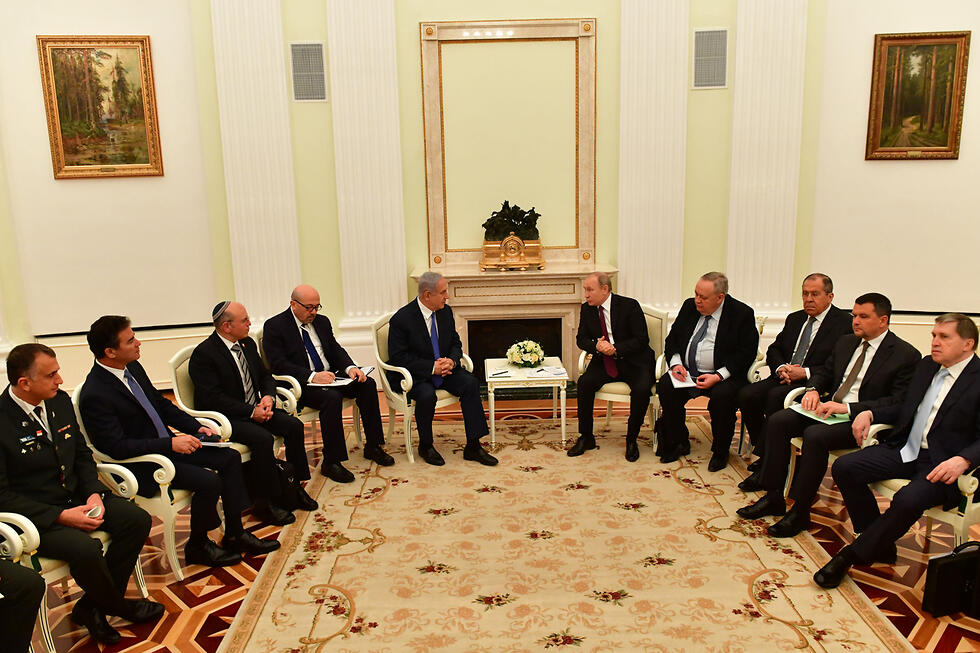
Cohen also recalled his first meeting with Russian President Vladimir Putin, when he accompanied Prime Minister Benjamin Netanyahu as national security adviser. According to Cohen, Putin made clear from the outset that he already knew Cohen’s background and biography.
Cohen described a sense of “immediate understanding and professional respect” between two men who had both come from the world of intelligence, referring to Putin’s past in the KGB. He said that first encounter laid the groundwork for years of working relations, and that over time he came to see Putin as a professional “colleague” in the intelligence sense.
‘Espionage is not immoral’
Much of the interview focused on the nature of espionage itself. Cohen argued that spying is not immoral when conducted in defense of the state.
“Espionage is not immoral. In my case, it is done for the state. And you? For which flag would you act?” Cohen said. “For the flag with the Star of David? For the hammer and sickle? For the Union Jack? Would you not enlist if your country and your way of life were threatened? Would you have the courage to lie, mislead and plot if you believed the goal justified it? Do you have powers of observation and analysis? Are you capable of seducing or threatening on command?”
Cohen said intelligence officers are sometimes required to lie, deceive, assume roles and build cover stories. But he added that the same methods can be used against the Mossad by the people it seeks to recruit.
“We are all actors to some extent,” he said. “If it serves my mission, I would consider it justified to tell you a false story or describe events that never happened. Of course, it can also work against us. Our target, the person we are trying to recruit, can do exactly the same thing. That is why I will approach his friends to verify that the feelings he expresses are real and that we have assessed him correctly. If necessary, I will send someone for a small visit to his home.”
Cohen said the Mossad may use ordinary daily covers, such as a plumber, technician or other professional, to gather information or verify details covertly. Cohen also discussed his political worldview, saying the Israeli right and the pursuit of peace are not contradictory.
“I come from the right of Jabotinsky and Begin. I am a very liberal right-wing man,” Cohen said. “After all the wars, peace is the only solution. We are facing a third Lebanon war and another war in Gaza. Where have we gotten? Nowhere. We are fighting for the very existence of the State of Israel. And if the other side agrees to listen and make peace, I will be the first to do it.”
Cohen said one of his most important investments as Mossad chief was helping create the conditions for the Abraham Accords between Israel, the United Arab Emirates, Bahrain, Sudan and Morocco.
“Others will come,” he said. “The pursuit of peace agreements is, in my view, the strategic and visionary goal of the State of Israel.”
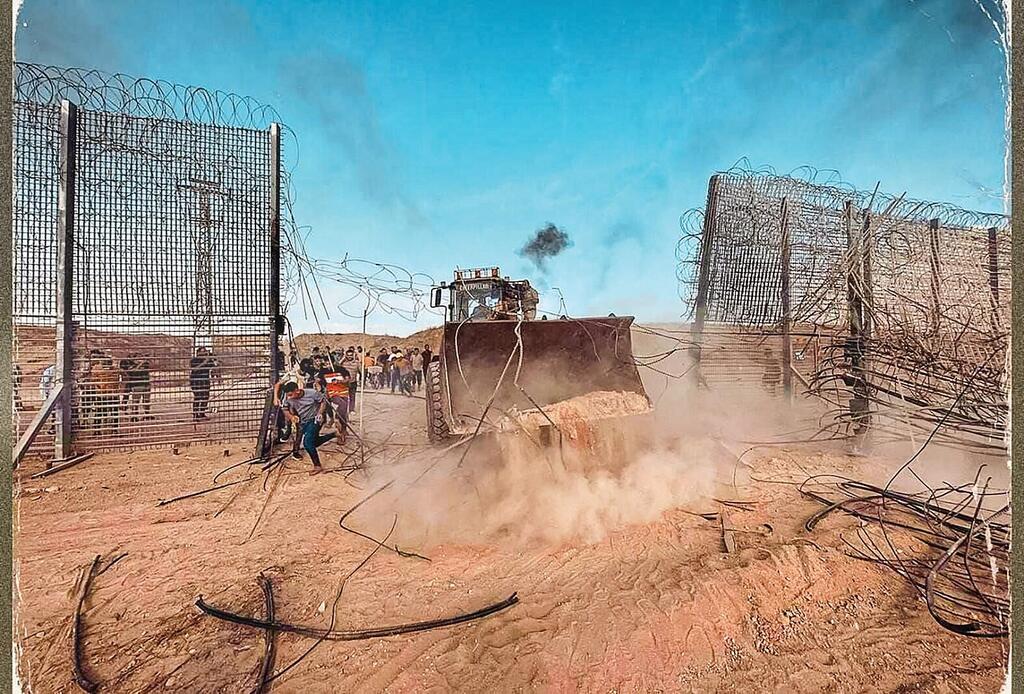
The fence breached on October 7
‘What intelligence was there on Gaza? Nothing’
Asked about October 7, Cohen repeated sharp criticism of Israel’s intelligence failures before the Hamas attack. The interviewer noted that in his book Cohen expressed anger toward those he says “failed,” including the IDF, the Shin Bet and Military Intelligence.
Cohen said the failure did not fully surprise him because, according to him, he had warned of the danger years earlier. He said that when he headed the National Security Council and later the Mossad, he had asked to receive responsibility for the Gaza Strip or at least for part of Israel’s handling of the enclave.
Since Israel’s disengagement from Gaza in 2005, Cohen argued, Israel’s ability to operate inside the Strip had steadily eroded. One of the central problems, he said, was the lack of reliable human sources inside Gaza. “I know exactly what intelligence they had on Gaza: nothing,” Cohen said.
The ‘Israeli James Bond’
Le Point also described Cohen as a meticulous public figure who pays close attention to his appearance and image. Cohen said that despite his many years in the covert world, he did not carry a heavy psychological burden with him, apart from many memories. The magazine noted that he is still accompanied by close security.
After leaving the Mossad, Cohen became head of SoftBank’s Israel operations. He said he now enjoys a more ordinary life, including family vacations and the ability to be available by phone and WhatsApp.
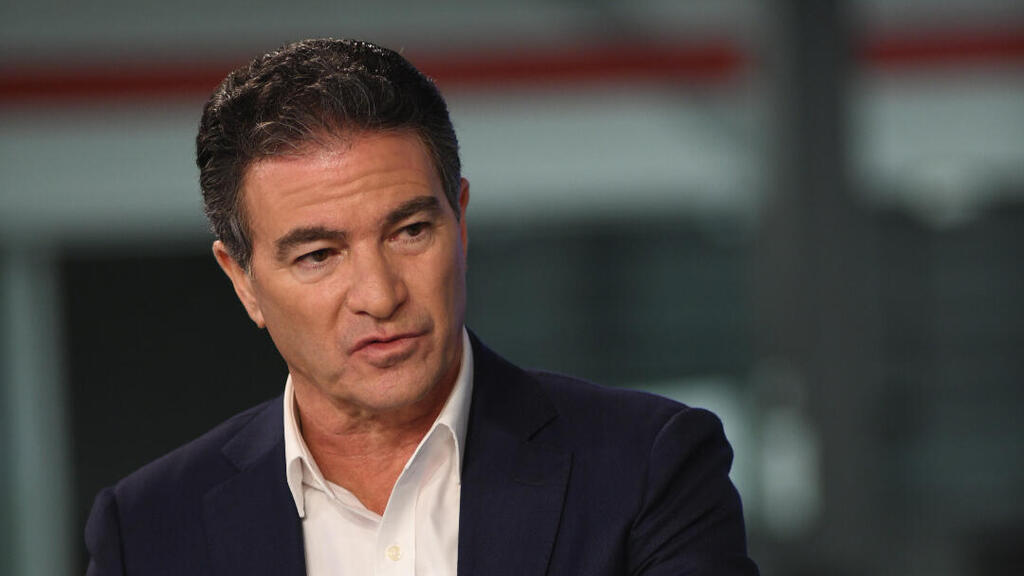
Yossi Cohen
(Photo: Yuval Chen)
The interview also noted that Cohen remains a controversial figure. Critics say he was part of Netanyahu government policy that allowed Qatari money to enter Gaza before October 7, 2023.
Cohen’s memoir, Combattre pour la liberté — “Fighting for Freedom” — is due to be published in France. In it, he discusses state secrets ranging from the background to the Abraham Accords to operations against Hezbollah.
The interviewer noted Cohen’s claim that “Iran without a nuclear threat is the achievement of my life,” and asked whether the most important operation he carried out was the 2018 removal of Iran’s nuclear archive from Tehran. “That was one of the most important missions,” Cohen replied.
Cohen said the 2015 nuclear agreement signed with Iran under the Obama administration was “a very bad agreement.” In his account, the deal allowed Iran to claim it did not intend to obtain nuclear weapons while continuing to advance its program.
When Cohen became Mossad chief in January 2016, he said, Israel received intelligence that Mohsen Fakhrizadeh, widely identified as the leader of Iran’s military nuclear program, had gathered material and archives from sites across Iran and moved them to a single secret location.
Cohen said he instructed his people to collect intelligence, locate the material and bring all of it to Israel, including documents, disks and original materials.
Asked whether the idea was his or Netanyahu’s, Cohen answered unequivocally that it was his. He said he did not mind if others credited Netanyahu with the success, but the initiative itself, he said, was his.
In January 2018, Cohen said, the Mossad succeeded in removing the archive from Iran and exposing it. According to him, the material revealed previously unknown nuclear sites, enrichment activity outside known facilities, information about enriched uranium and intelligence that fundamentally changed the understanding of Iran’s nuclear program.
Cohen added that when then-U.S. President Donald Trump withdrew from the nuclear deal in May 2018, he relied in part on the documents the Mossad had brought out of Iran.
Sabotage at Natanz
Cohen also discussed Israel’s broader covert campaign against Iran. He said the Mossad managed to penetrate supply chains used by Tehran through front companies. As with the pager operation, he said, Iranians purchased equipment through companies that were either controlled or infiltrated by the Mossad.
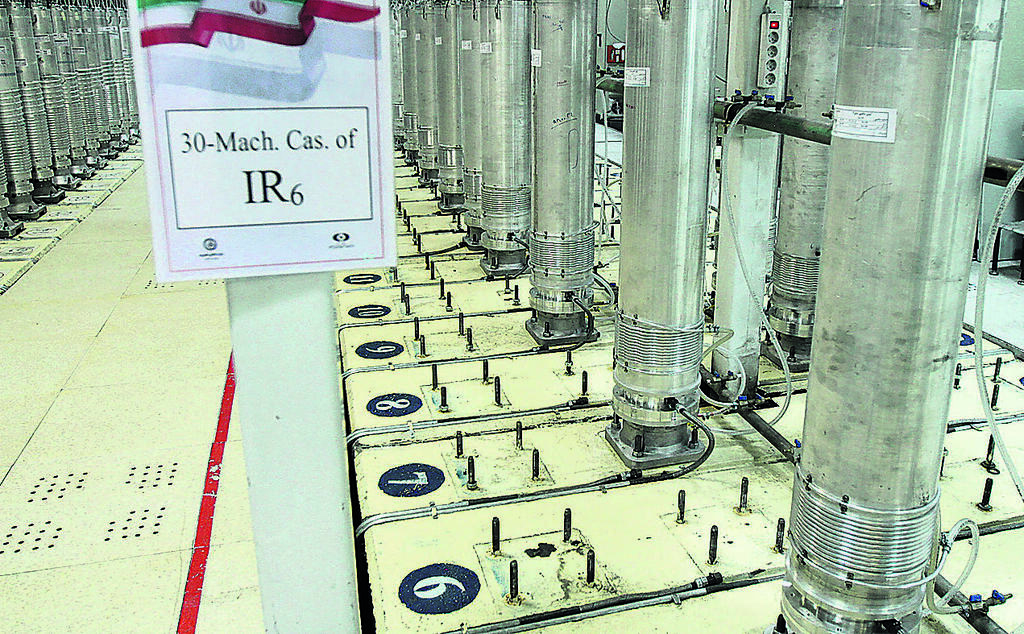
The centrifuges at Natanz
(Photo: AP)
Once the equipment reached the Iranians, Cohen said, it could be altered, sabotaged, fitted with explosives and activated when needed.
He pointed to the April 2021 incident at the Natanz nuclear facility, where a system connected to centrifuges was destroyed. According to Cohen, the Mossad had sold that system to the Iranians after explosives were placed inside it in advance.
Cohen said he personally approved activation of the explosive charge while serving as Mossad chief. He said the operation was carried out in cooperation with one of Israel’s leading security companies and caused significant damage to the facility.
Asked about the war with Iran, Cohen described the achievements of Israel and the United States as “exceptional.” When asked whether the U.S. might still prefer negotiations with Iran despite the war, he said he did not know how events would unfold strategically.
But he added that if someone had told him a year earlier that Israel and the United States would be able to strike the Iranian military, air force, air-defense systems, missile array and nuclear capabilities, eliminate Khamenei, neutralize Iran’s security and political leadership and end the campaign without an agreement, he would have accepted that immediately and asked: “Who needs an agreement at all?”
Cohen argued that Israel’s sustained sabotage operations, agents inside Iran, the theft of the nuclear archive and other covert missions are what prevented Iran from obtaining a nuclear weapon.