

The dispute between Argentina and Britain over control of the Falkland Islands flared up again over the weekend after Argentine President Javier Milei announced that he would impose sanctions on oil companies drilling near the islands, which both countries claim sovereignty over.
Milei’s threat comes against the backdrop of plans by British and Israeli companies to begin drilling at a rich oil field north of the islands, and amid signals from U.S. President Donald Trump that he may end Washington’s neutrality over control of the islands and express support for Argentine sovereignty.
Gallery
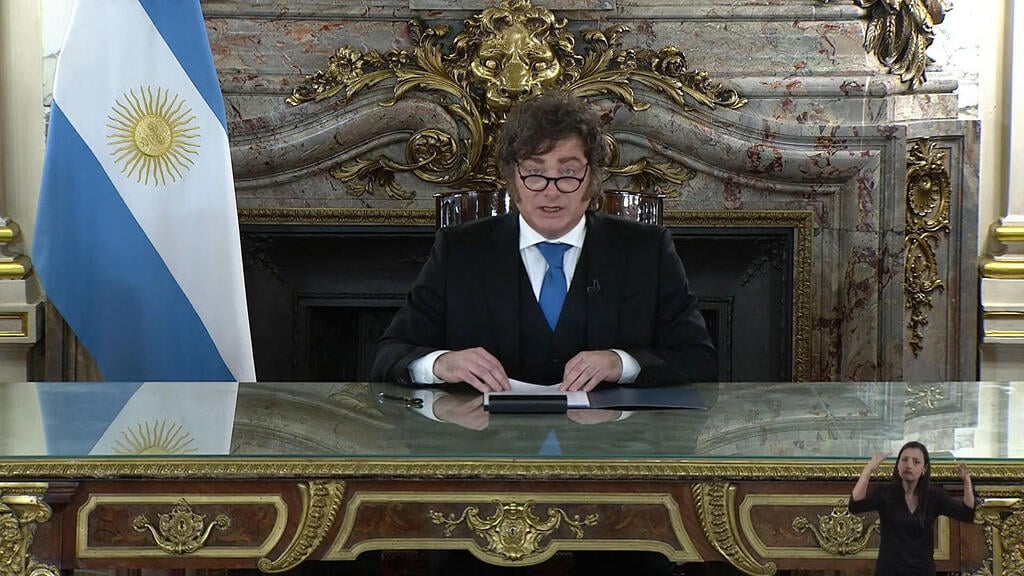
Argentine President Millei in a speech to the nation this weekend: 'The islands are part of Argentina's future'
(Photo: Argentina's Presidency/AFP)
The Falkland Islands are a remote archipelago in the South Atlantic that has been under British control since 1833. Argentina, which also claims the islands, calls them by another name — the Malvinas. Forty-four years ago, in 1982, Argentina’s military invaded the islands in an attempt to seize control, in what was seen as an effort by the junta then ruling Argentina to boost its popularity. In response, then-British Prime Minister Margaret Thatcher sent a naval task force to the South Atlantic. A 74-day war followed, killing 907 people: 649 Argentines, 255 Britons and three islanders. The war ended in an Argentine defeat and the restoration of British control over the islands, and the humiliation suffered by Argentina is considered a catalyst for the junta’s collapse.
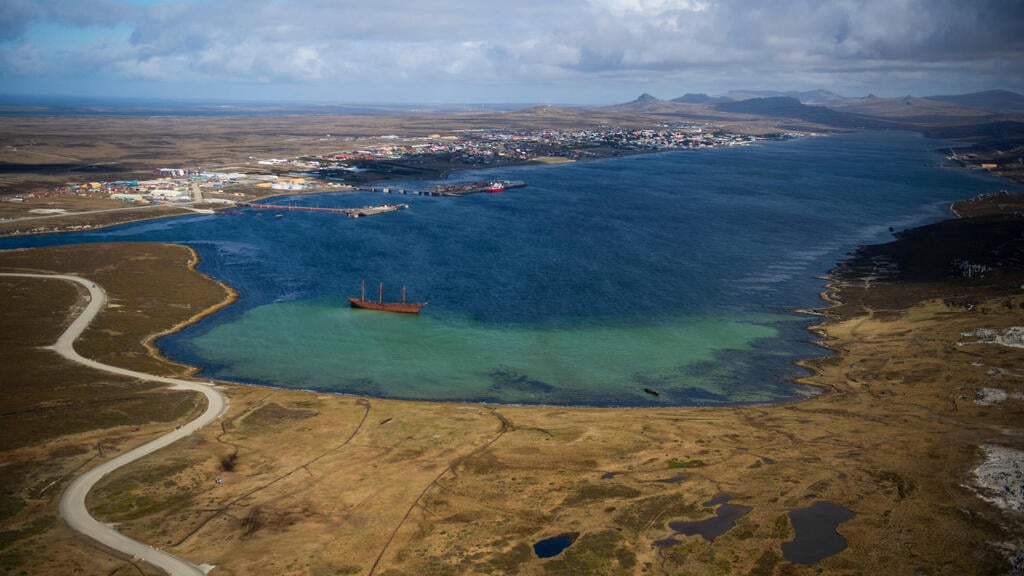
Falkland Islands
(Photo Pablo Porciuncula AFP)

Argentina's national team celebrates with a sign claiming the Falklands after victory over England World Cup
(Photo: Rebecca Blackwell, File, AP)
About 3,500 people now live on the Falklands, and in a 2013 referendum, 99.8% of voters supported remaining under British rule, with only three voting against. Even so, control of the islands remains an issue charged with strong emotions in Argentina. Evidence of that came just this past summer, when Argentina’s national team celebrated its World Cup semifinal victory over England by holding up a sign expressing support for their country’s sovereignty over the islands.
At the center of the current dispute, which has reignited tensions over the Falklands, is a drilling project at the Sea Lion oil field, about 225 kilometers north of the islands. It is operated by Britain’s Rockhopper Exploration and Israel’s Navitas Petroleum. The field is estimated to contain reserves equivalent to 1.7 billion barrels of oil, making it a significant discovery on a global scale. When it was first discovered in drilling in 2010, Argentina claimed the activity was illegal and taking place in its territory. The two companies intend to begin additional exploration work at the field soon and are expected to start producing oil there within two years.
A ‘country in decline’? Britain has 1,000 troops in the Falklands
In a national address overnight between Thursday and Friday, Milei declared that the possibility of oil companies carrying out exploration in the area north of the islands, which he called “occupied British territory,” posed an urgent threat to Argentina’s interests.
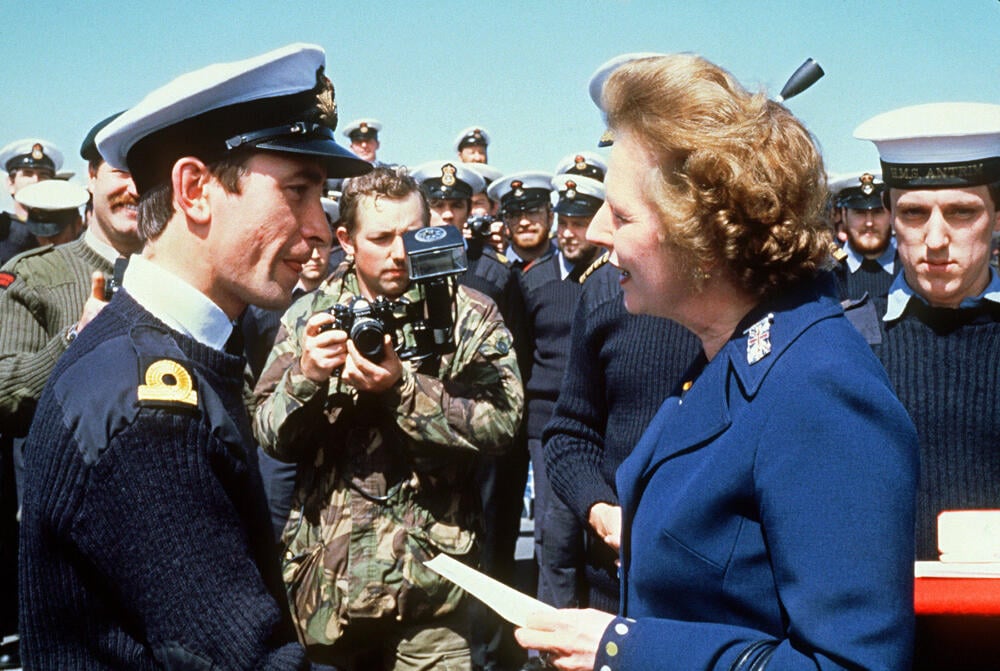
British Prime Minister Margaret Thatcher in the Falkland Islands in 1983
(Photo: AFP)
“If we allow this, we will create an incentive for the British government to deepen its occupation of the islands and exploitation of our resources,” Milei said.
He stressed that the islands are part of Argentina’s future and announced that he would send Congress an urgent bill for the “defense of national sovereignty,” aimed at toughening penalties for unauthorized activity around the islands and imposing sanctions on suppliers. Hours later, on Friday night, his office announced that it had begun proceedings to impose sanctions on 45 individuals and companies accused of involvement in oil exploration and production around the Falklands.
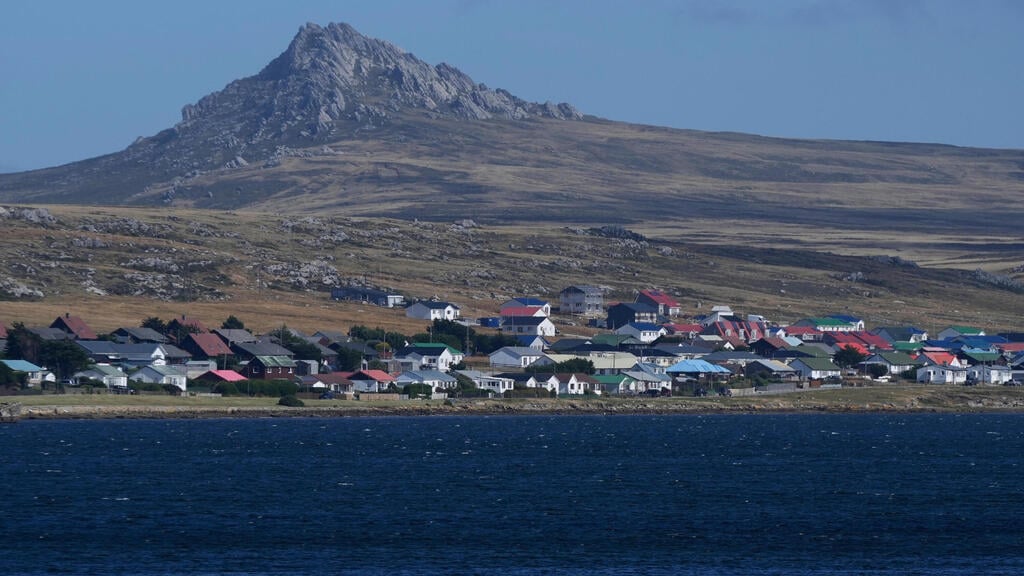
Millei feels the 'winds of change' in the Falklands
(Photo: Ricardo Mazalan, File,AP)
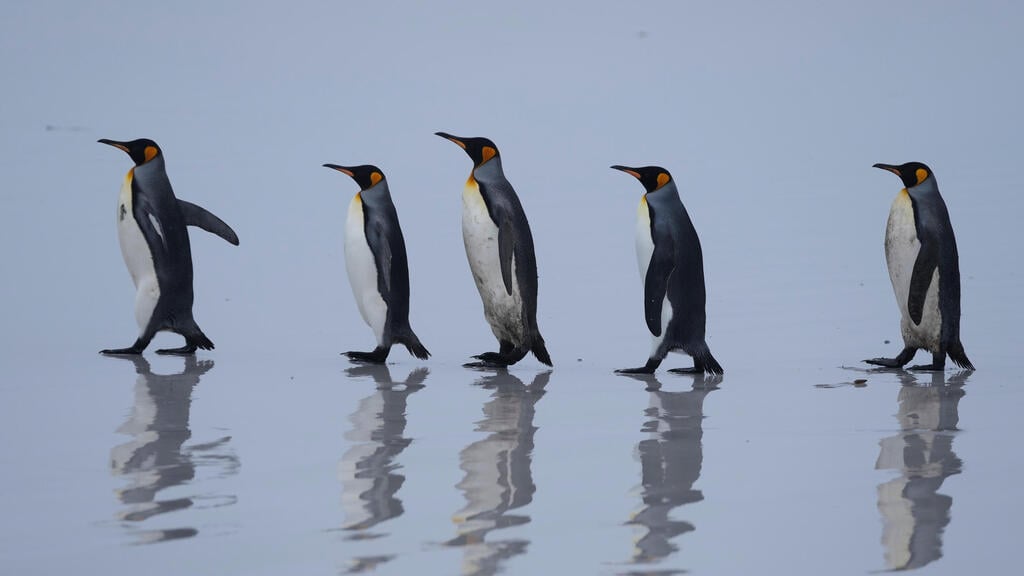
Other residents of the Islands
(Photo: Ricardo Mazalan, File,AP)
Milei has previously presented diplomacy as the best path for advancing Argentina’s sovereignty claim over the Falklands, but with oil drilling expected around the islands in the coming months and with his ally Trump repeatedly mentioning the islands while hinting at support for Argentina, Milei is now taking a tougher line.
Milei delivered the speech days after Trump said he was reconsidering the U.S. position on control of the Falklands, which until now had been neutral. In his speech, Milei referred to the possible shift in the U.S. position and said the “winds of change” were favoring Argentina’s claim.
“The United States is considering this change in position because it knows Argentina is a reliable partner,” he said.
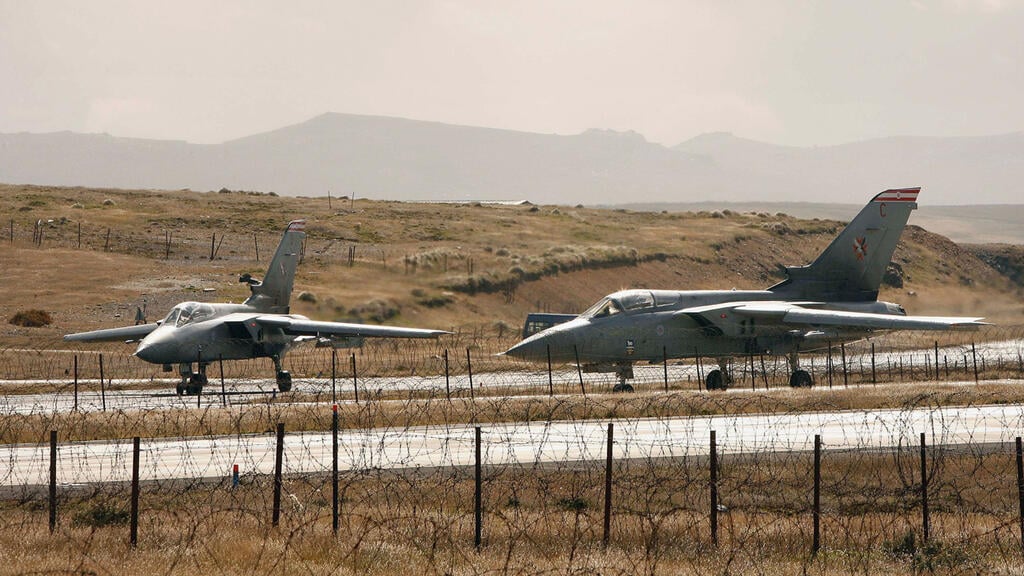
Military aircraft in the Falkland Islands
(Photo: Getty Images)
A shift in the U.S. position on sovereignty over the Falklands is one of the steps considered this year at the Pentagon as part of an effort to pressure Washington’s NATO allies after they refused to assist the United States in its war against Iran. Trump may also see a policy shift on the Falklands as a way to increase pressure on London to raise its financial contribution to NATO rather than rely on the American share.
On Thursday, in an interview with Britain’s GB News, Trump said he was not sure today’s Britain would be prepared to fight for the islands again.
“I just don’t know if you have the capability to do it,” he said. “The Falklands is a very interesting thing, because your country is not the same country it was 20 or 25 years ago.”
Milei also described Britain in his speech as a country “in decline” facing “multiple crises of immigration, demographics and economics.”
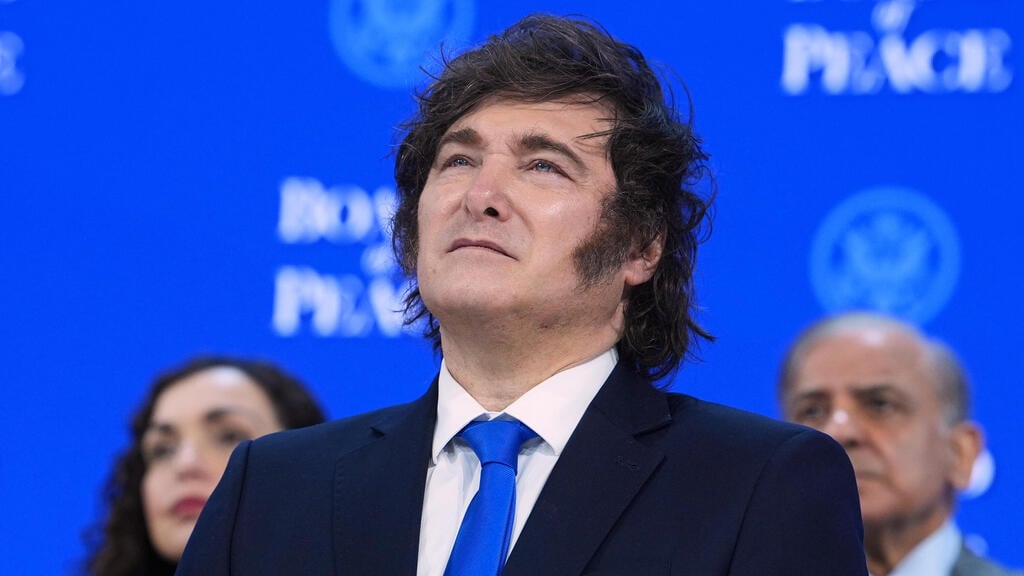
Millei: UN resolutions have been violated
(Photo: Evan Vucci/AP)
It is worth noting, however, that while Britain had only a minimal military presence in the Falklands in the early 1980s, today it maintains a genuine deterrent force there, including more than 1,000 troops, advanced fighter jets and regular Royal Navy patrols nearby.
Milei’s political gain and Burnham’s silence
On Friday, hours after Milei’s speech, Britain said its position on the Falklands was unshakable.
“The islands are British and will remain so, because that is the overwhelming position of their people,” British Foreign Secretary Ed Miliband wrote on X. “Their right to self-determination is paramount, enshrined in international law, and we will defend it resolutely.”
Britain’s new prime minister, Andy Burnham, is facing growing pressure, mainly from the right, to respond personally to the confrontational rhetoric from Milei and Trump over the Falklands. The hard-right Reform UK party, which is polling close to the governing Labour Party, accuses Burnham of being “too weak” and failing to stand firm against Argentina on the issue.
There are also other voices in Britain. Simon McDonald, a former permanent undersecretary at the Foreign Office, told BBC Radio 4 that the kingdom should reconsider the cost of administering a territory about 13,000 kilometers away.
“I think the time has come for us to look at this again in a fundamental way,” McDonald said, while acknowledging the archipelago’s “iconic status” in Britain as a result of its victory in the war more than 40 years ago.
Nor can the argument made over the weekend by British Defense Secretary Wes Streeting be ruled out: that Milei’s remarks were aimed at domestic Argentine politics. Milei’s speech came as his public approval rating is falling sharply, just over a year before an election in which he will seek another term, with polls showing that only 34% of Argentines support his drastic austerity and deregulation policies.
‘Colonial subjugation’ and Israel’s distancing
Milei’s remarks on the Falklands were indeed received warmly in Argentina, and even some of his political rivals welcomed them while criticizing him for not taking tougher action sooner.
Juan Grabois, one of Argentina’s prominent left-wing leaders, wrote on X: “Milei’s U-turn is welcome; he went from being a colonially subjugated sucker to someone who is once again demanding Argentina’s historic position.”
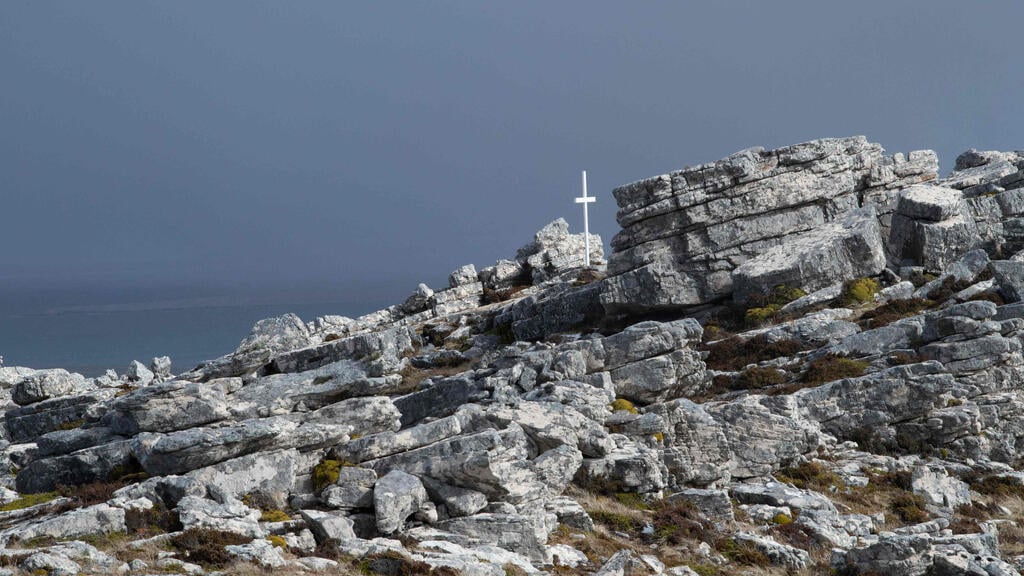
The companies defend themselves: 'We have the full support of the British government'
(Photo Pablo PorciunculaO / AFP)
Guillermo Carmona, who coordinated Argentina’s policy on the Falklands sovereignty claim under the previous center-left government, said Milei’s steps were positive but insufficient, given Argentina’s close diplomatic ties with Israel.
“Milei must put pressure on the Israeli government,” he said.
For Milei, the fact that the project, people and companies he is now targeting have deep Israeli ties could indeed prove embarrassing. Navitas Petroleum, which owns 65% of the project, is traded in Tel Aviv, and company chairman Gideon Tadmor holds about 9% of its shares. Rockhopper Exploration, which owns the remaining 35%, is traded in London, and Israeli funds Noked Capital, Brosh Fund and ION are among its five largest investors, each holding between 4.6% and 9.2%.
Milei is one of Israel’s strongest friends in the world. He has consistently presented himself as a staunch ally and has greatly strengthened ties between Buenos Aires and Jerusalem.
In his speech over the weekend, he accused the companies of violating a U.N. resolution calling on both sides in the Falklands dispute to refrain from unilateral actions on the islands. The partner companies, for their part, said they are operating “with valid oil licenses” and with the “full and ongoing support” of the British government.
Argentine Foreign Minister Pablo Quirno was asked about the issue Friday in an interview with an Argentine radio station and said the measures Milei announced against the companies would not create diplomatic friction with Israel.
“This does not harm relations between Argentina and Israel at all,” he said. “We have been and remain in continuous contact with Israel — and with the Israeli foreign minister.”
Jerusalem has previously made clear to Argentina that because Navitas Petroleum is a private company, the Israeli government cannot intervene in the matter.