

Tensions between Iran and the Western community escalated sharply Thursday as the International Atomic Energy Agency’s Board of Governors approved a resolution demanding that Tehran immediately provide “full and prompt” cooperation with nuclear inspectors.
Western diplomats simultaneously warned that Iran is quietly restoring elements of its ballistic-missile program destroyed earlier this year and could misread Israel’s intentions, risking another rapid military confrontation.
Gallery
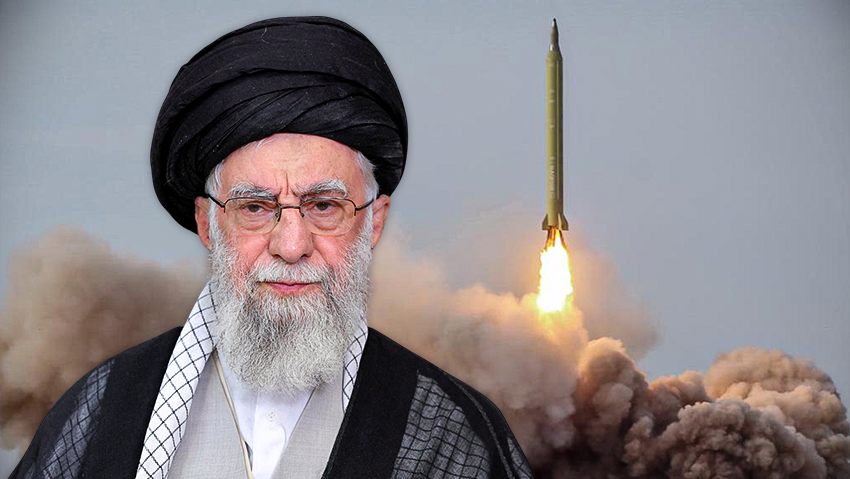
Ali Khamenei
(Photo: WANA (West Asia News Agency) via Reuters, Sepahnews/Anadolu Agency via Getty Images)
The 35-member IAEA board voted 19–3 in favor of the resolution at the agency’s Vienna headquarters, with Russia, China, and Niger opposed and 12 nations abstaining. The motion—put forward by France, Britain, Germany, and the United States—calls on Iran to provide verified information on the locations, quantities, composition, enrichment levels, and storage of its enriched-uranium stockpiles, including roughly 490 kilograms enriched to 60%, a short technical step from weapons-grade.
IAEA officials say they have been unable to access bombed nuclear sites or obtain reliable information on Iran’s 60% stockpile since Israeli and U.S. strikes during June’s 12-day conflict crippled key facilities. Under agency regulations, material enriched to that level requires monthly inspection and could—if further enriched to 90%—yield enough fissile material for up to 10 nuclear weapons.
Iran has not yet responded to the resolution, though in the past it has reacted sharply to similar measures. Under the Nuclear Non-Proliferation Treaty, Tehran is legally obligated to cooperate with IAEA inspectors, but it suspended implementation of the Additional Protocol in 2021, after the United States—under President Donald Trump—withdrew from the 2015 nuclear deal.
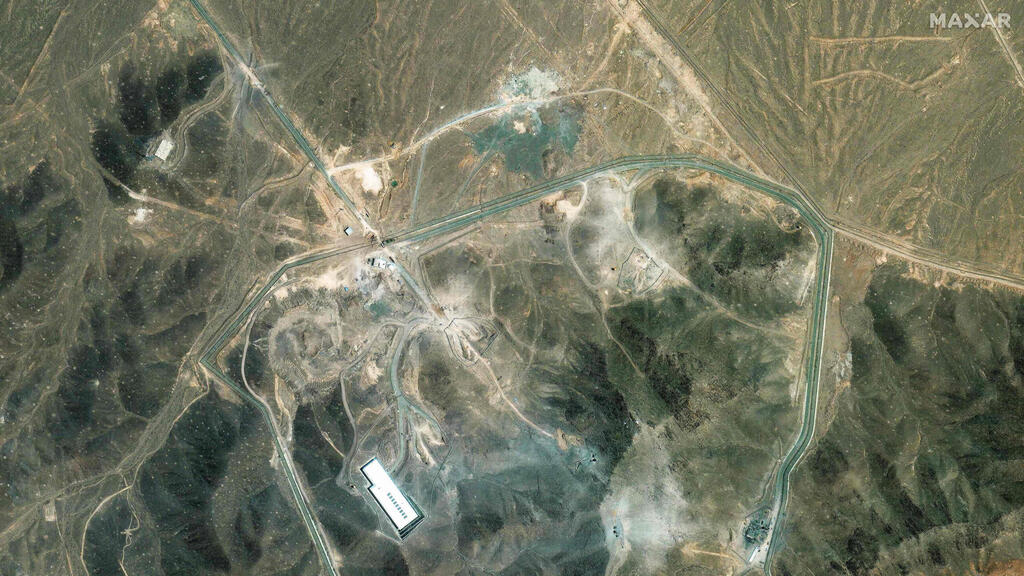
The Fordow uranium-enrichment facility after being struck by the Americans. Inspectors have not yet visited the site
(Photo: Satellite image Maxar Technologies/ AFP)
While the IAEA presses for access, Western diplomats familiar with regional intelligence assessments described a parallel set of concerns: Iran has resumed producing ballistic missiles using decades-old methods after Israeli strikes destroyed its advanced planetary mixers. One diplomat said Tehran’s priority is “not restarting the nuclear program at this moment, but rebuilding its missile capability,” with the expectation that in the next confrontation it will attempt to fire 500 to 1,000 missiles at once, not 120.
Diplomats said Iranian forces and allied militias were severely weakened by the June conflict. “Thirty years of investment collapsed,” one said, adding that Iran’s proxy network suffered “devastating” losses and that its nuclear infrastructure was set back years. Meanwhile, enriched uranium “is blocked underground,” they said, adding that Iran attempted several drills to reach it but has not undertaken a serious rebuild. With the knowledge that Israel could strike again, “they hesitate over what’s safe to do.”
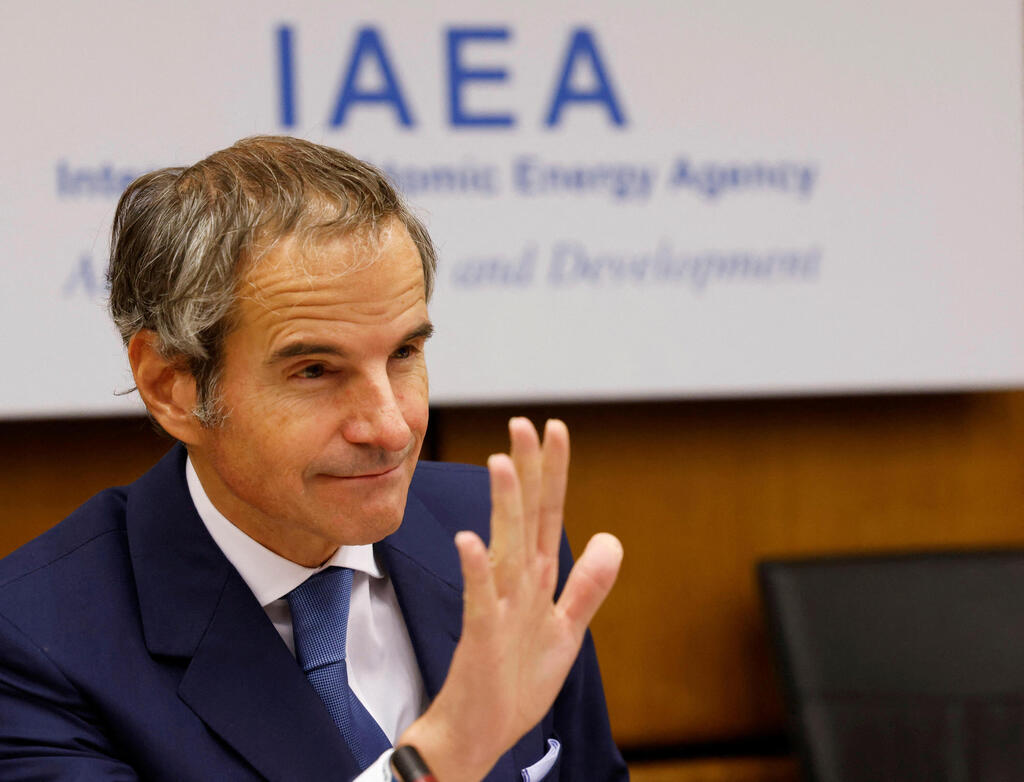
IAEA chief Rafael Mariano Grossi
(Phot: Reuters/Leonhard Foeger)
Despite Iran’s hesitation, the diplomats warned that the atmosphere is primed for miscalculation. Israel, they said, conveyed messages through Western intermediaries that it does not seek another strike, but Tehran dismissed the assurances as deceptive. “The risk is that Iran misreads the situation,” one diplomat said, warning that a short, violent clash could erupt without changing strategic outcomes. Should Iran attack, Israel would respond “with a wide range of strikes, including against the regime,” they said, predicting severe damage on both sides, including the possibility of skyscrapers collapsing in Tel Aviv and Tehran.
Western governments are now seeking to prevent a spiral of misunderstandings. “Israel is not the only paranoid one,” a diplomat said. “Iran knows that if it strikes first, the consequences will be enormous.”
As the IAEA presses for answers on Iran’s nuclear material and Western intelligence tracks its missile revival, the possibility of a renewed confrontation—faster, deadlier and more unpredictable than June’s—looms over the region.