

On Aug. 1, 2008, an Israeli commando force came ashore near the Syrian coastal city of Tartus and shot Gen. Muhammad Suleiman as he ate dinner at his seaside vacation home, according to a new account by former prime minister Ehud Olmert.
Suleiman, a senior adviser to then-Syrian president Bashar Assad, was shot in the head and neck and died shortly afterward. Israel was widely suspected of carrying out the assassination but never publicly acknowledged responsibility.
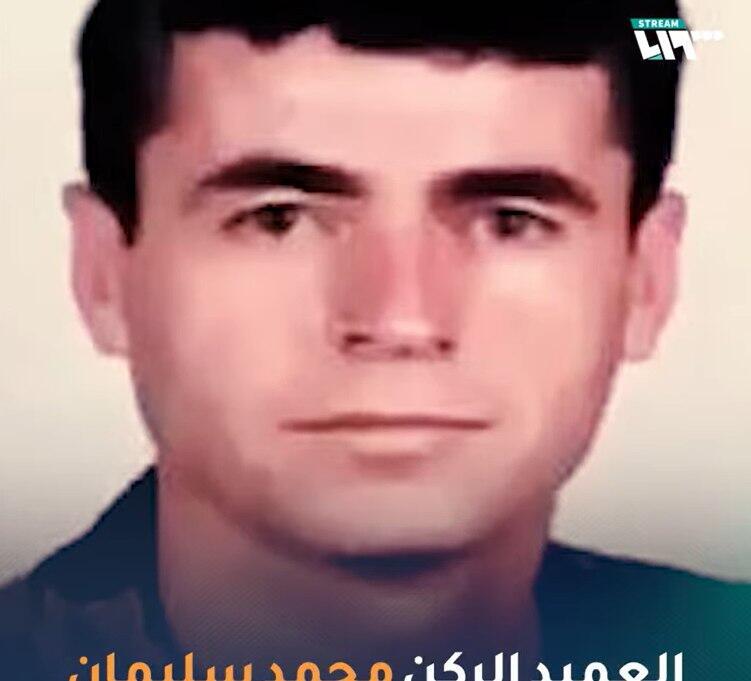
Now, nearly two decades later, Olmert has confirmed in a new book that Israeli forces were behind the operation.
Olmert describes Suleiman as a driving force behind Syria’s clandestine nuclear reactor in Deir el-Zour, which Israel destroyed in a September 2007 airstrike known in Israel as Operation Outside the Box. Israel did not publicly acknowledge responsibility for destroying the reactor until 2018.
“On the day Suleiman was eliminated, our fighters emerged from the water — skilled snipers,” Olmert wrote.
According to Olmert’s account, Suleiman and his guests were sitting on the terrace when the Israeli commandos approached under cover of darkness, taking up positions about 150 meters (490 feet) away on opposite sides of the terrace.
“They identified him with certainty,” Olmert wrote. “Although there were quite a few people on the beach, no one noticed them.”
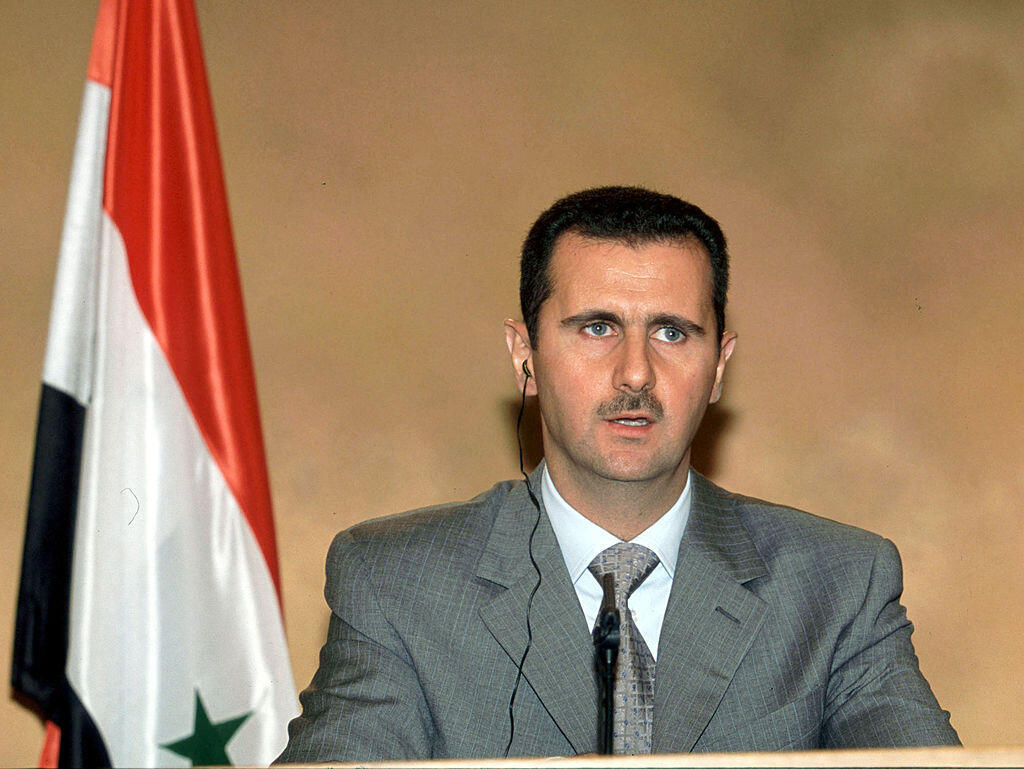
Bashar Assad
(Photo: Carlos Alvarez/Newsmakers/Getty Images)
When the order was given, Olmert said, the commandos fired three rounds at Suleiman, striking him in the back of the neck.
“His head fell backward,” Olmert wrote. “Immediately afterward, the fighters withdrew back toward the water, making their way to the boat that picked them up.”
Syria kept quiet as suspicions focused on Israel
Assad’s government largely remained silent publicly after Suleiman’s killing. One of the few senior figures to openly address the assassination was then-Hezbollah leader Hassan Nasrallah, who said several months later that Israel was responsible and linked Suleiman’s killing to his role in the 2006 Second Lebanon War between Israel and the Iran-backed Lebanese terrorist group.
Evidence pointing toward Israeli responsibility emerged publicly years later.
In 2015, The Intercept published what it said were authentic U.S. intelligence documents indicating that the operation had been carried out by Shayetet 13, the Israeli Navy’s elite naval commando unit.
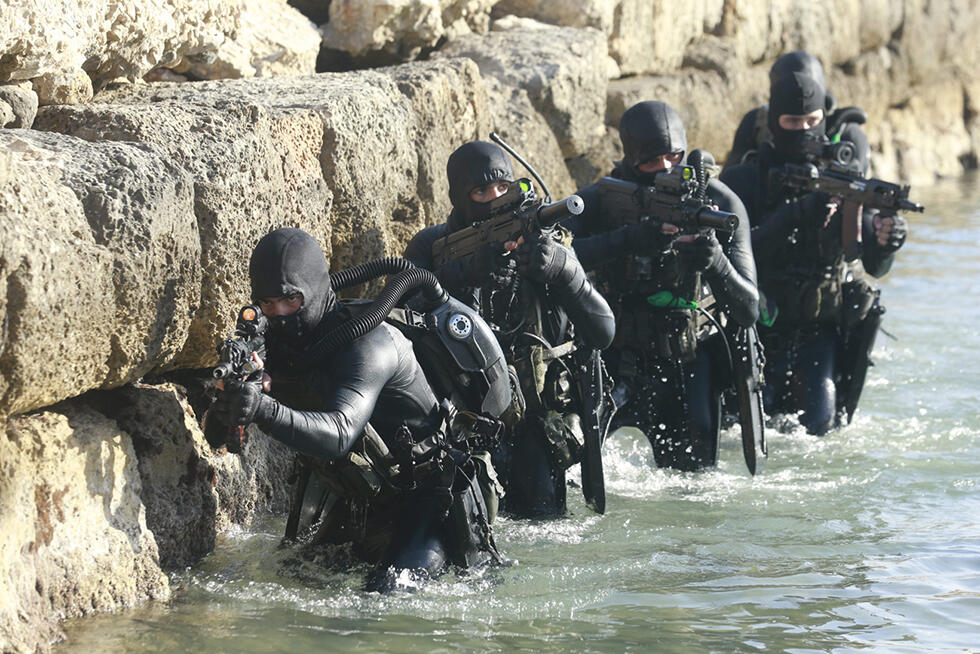
Shayetet 13 commandos
(Photo: Gadi Kabalo)
The Intercept was founded in part as a platform for reporting based on documents provided by former National Security Agency contractor Edward Snowden. The NSA document was described at the time as the first official confirmation that Suleiman’s killing had been an Israeli operation, undermining speculation that he had been assassinated as part of an internal Syrian power struggle.
In his book, Olmert described Suleiman as Assad’s “closest confidant and close friend,” a former Syrian military officer and, like Assad, a member of the Alawite minority. Suleiman had an office in the presidential palace near Assad’s, Olmert wrote. “Unlike the others, he knew everything.”
According to Olmert, even Syria’s defense minister and military chief were unaware of the existence of the nuclear reactor, while Suleiman was the driving force behind the project. He said Suleiman was responsible for the sensitive and complex deal with North Korea and for an elaborate effort to conceal the reactor’s existence for years.
“Suleiman was responsible for the entire logistical operation surrounding the reactor’s construction,” Olmert wrote. “He controlled the entry of materials and personally made sure their purpose and nature were not exposed. He had a hand in everything.” A month before the Israeli strike on the reactor, Olmert said, Assad gave Suleiman a new Mercedes in recognition of his contribution to the project.
In 2010, the Guardian reported that Syrian authorities suspected Israel of carrying out the assassination, although Damascus had not publicly accused Israel.
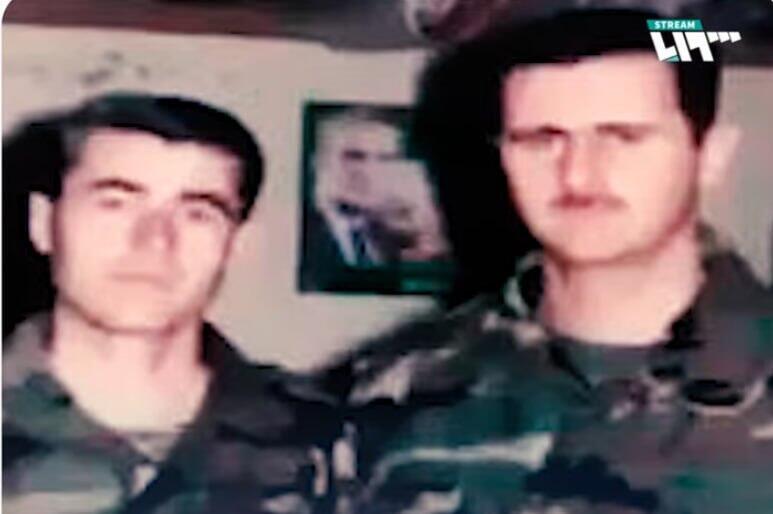
Suleiman and Assad
That report was based on a U.S. diplomatic cable later published by WikiLeaks. The U.S. Embassy in Damascus sent the cable to the State Department two days after Suleiman was killed.
“Syrian security services quickly cordoned and searched the entire beach neighbourhood where the shooting had occurred,” the cable said.
According to the cable, Israel emerged as an immediate and obvious suspect.
Syrian security officials were well aware, it said, that the Mediterranean port city of Tartus would provide Israeli operatives with easier access than inland locations such as Damascus.
Suleiman was also not a widely recognizable public figure, the cable noted, and the apparent use of a sniper suggested that whoever carried out the killing had enough intelligence to identify him from a distance.
Syrian journalists were instructed not to report on Suleiman’s killing, and initial reports did not clearly identify the victim. U.S. officials, however, were well aware of his identity and importance. A classified document written several months earlier described Suleiman as a “special adviser to the Syrian president for strategic weapons and arms procurement.” Israeli reports also identified him as a liaison between Assad and Hezbollah.