

Iran's Revolutionary Guards commander said on Monday that the Strait of Hormuz has been closed and that Iran will set on fire any ship attempting to pass through it, Iranian media reported, a move that could reverberate across global energy and shipping markets.
Iran is carrying out its threats to shut the strategic waterway, one of the world's most critical maritime chokepoints. The strait, located between Iran and Oman, handles about one-fifth of global oil consumption and roughly a third of seaborne crude trade, as well as significant volumes of liquefied natural gas. Any prolonged disruption would tighten supplies, drive up freight and insurance costs, and likely send crude prices sharply higher.
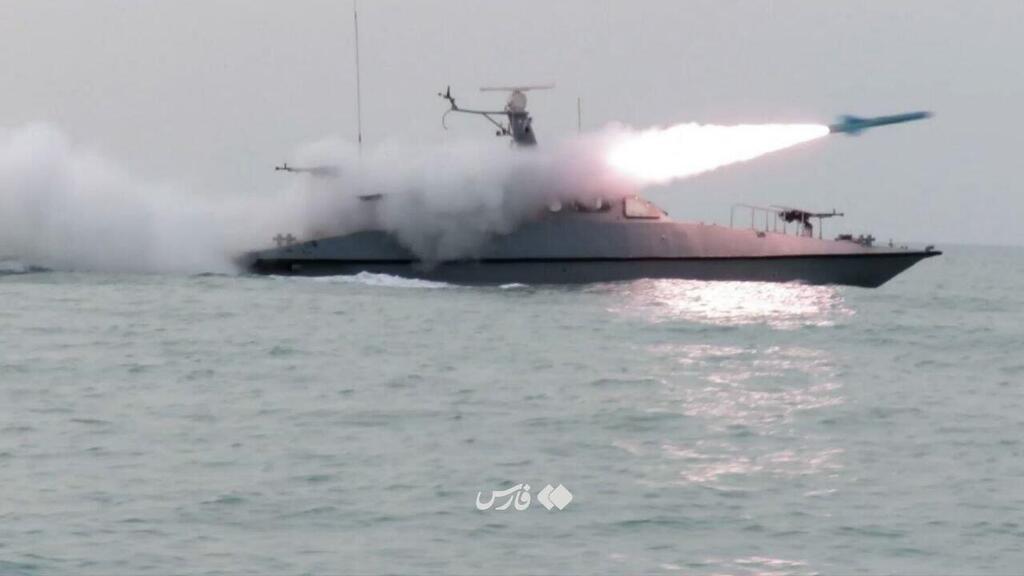
The announcement followed the killing of Supreme Leader Ayatollah Ali Khamenei in an Israeli strike, a dramatic escalation that has heightened fears of broader regional conflict spilling into international sea lanes.
A Revolutionary Guards drill in the Strait of Hormuz last month underscored Tehran's repeated warnings that it could block the passage in response to military pressure, reinforcing concerns among shipowners and energy traders about the vulnerability of the corridor.
The impact is already being felt across the maritime sector. About 10% of global container fleet caught in Strait of Hormuz backlog, CEO says
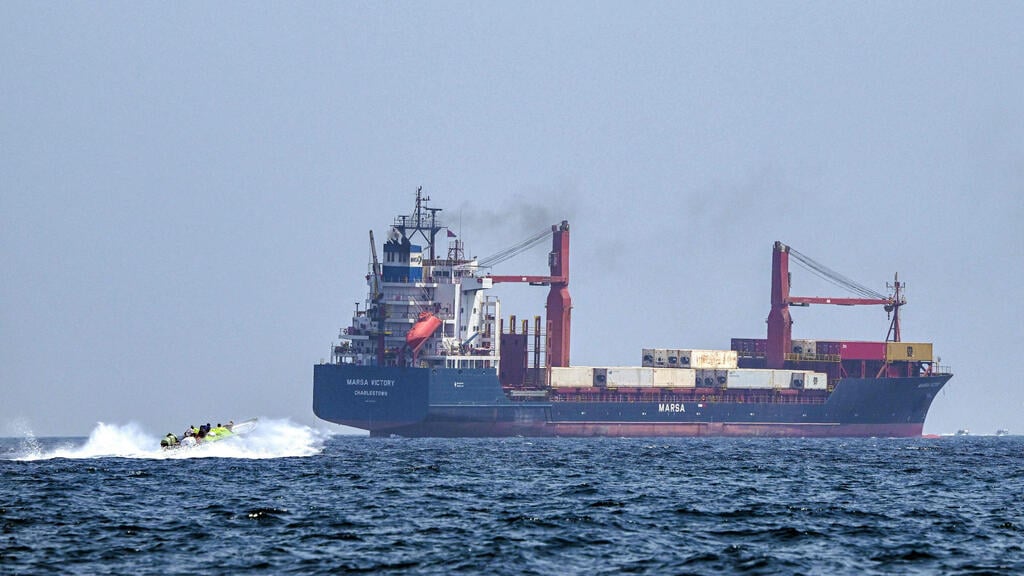
A ship sails through the Strait of Hormuz. About 750 vessels are stranded
(Photo: Giuseppe CACACE / AFP)
Container ships account for roughly 100 of the 750 vessels backed up around the Strait of Hormuz following U.S. and Israeli attacks on Iran, Jeremy Nixon, CEO of container carrier Ocean Network Express (ONE), said on Monday. "About 10% of the container ship global fleet is caught up in this," Nixon said at a container shipping industry conference in Long Beach, California.
Maritime insurers have halted voyages through the strait between Iran and Oman after Iran retaliated against U.S. and Israeli strikes, disrupting not only oil and gas shipments but also containerized trade linking Asia, Europe and the Middle East. The bottleneck threatens to ripple through global supply chains, affecting everything from energy markets to consumer goods.