

The U.S. military launched overnight airstrikes against ISIS targets in Syria late Friday, in response to an ambush by the terror group that killed two American soldiers and an interpreter. Dozens of targets were hit in the opening phase of Operation Hawkeye, which U.S. officials said could continue for several weeks. U.S. secretary of defense Pete Hegseth said the operation “is not the start of a new war,” but a “declaration of retaliation.”
The operation against ISIS began nearly a week after the Sydney massacre, in which 15 people were killed during the lighting of the first Hanukkah candle. According to reports, ISIS flags were found in the vehicle of the attackers, Sajid and Nabil Akram. ISIS said it “welcomed” the attack but did not claim responsibility. Despite this, there is suspicion the two underwent “military training” during a November visit to the Philippines, where they stayed on the island of Mindanao, a long-standing hub of extremist Islamist insurgent activity.
U.S. strikes against ISIS in Syria
(Video: CENTCOM)


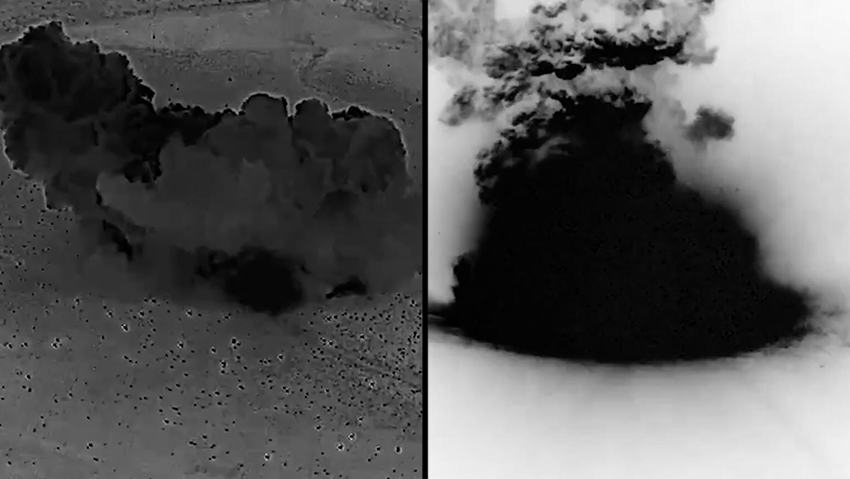
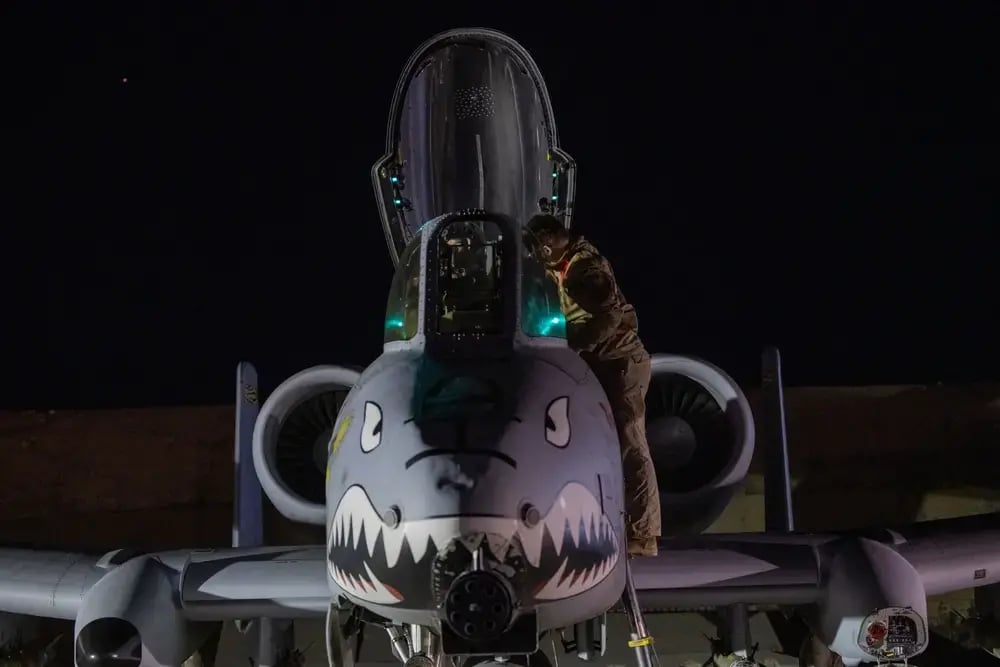
CENTCOM footage from the operation against ISIS
(Photo: CENTCOM)
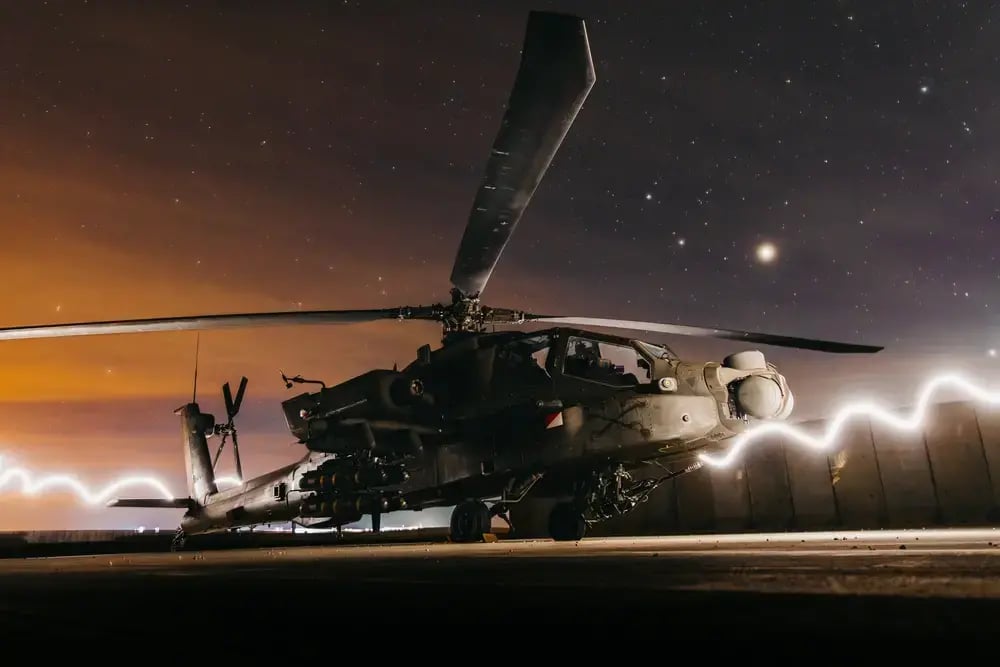
CENTCOM footage from the operation against ISIS
(Photo: CENTCOM)
A report published several days ago by The Washington Post said the Sydney massacre illustrates how ISIS, which has declined and weakened significantly in recent years, continues to inspire terrorists worldwide to a greater extent than other terror organizations. As in other attacks in recent years, the assailants in Sydney appeared to support ISIS, but the group neither recruited nor directed them. In recent years, ISIS has claimed responsibility for major attacks, including the 2024 Moscow attack that killed 143 people. Last year, an ISIS plot targeting a Taylor Swift concert in Vienna was also foiled.
Bruce Hoffman, a counterterrorism expert at the Council on Foreign Relations, said ISIS is no longer “a governing authority that shook the world,” but has returned to the “DNA of a terror organization that does not control territory, yet still counts thousands of members.” According to Hoffman, since the U.S.-led coalition declared the defeat of ISIS’s self-proclaimed caliphate in 2019, the group “slipped from our thoughts and our sight,” but did not abandon its objectives.
The Washington Post noted that, in many ways, the ISIS ambush in Syria that killed two soldiers and an interpreter was a rare event, given a broader pattern of attacks carried out by individuals who appear to have undergone “self-radicalization.” ISIS has focused on online propaganda and, over the past two years, in an effort to regain relevance, has exploited anger among Muslims over Israel’s wars against Hezbollah and Hamas.

Evacuation of the wounded after the mass shooting at Bondi Beach in Australia
(Photo: AP Photo/Mark Baker)
A senior Arab security official told the Washington Post that “we have certainly seen an increase in ISIS’s online presence” during the war in Gaza. “They exploit Muslim anger and use reports of women and children being killed, or allegedly starved, as recruitment tools,” the official said.
Iraq fears renewed ISIS activity near the Syrian border
The Lebanese newspaper Al-Akhbar, which is affiliated with Hezbollah, reported Saturday that “despite security efforts by Iraqi authorities to tighten control along the border strip with Syria, fears have resurfaced of renewed ISIS activity — particularly in border areas.”
Iraqi security sources confirmed an increase in the pace of ISIS cell activity over the past year, including attempts to exploit harsh weather conditions to carry out infiltrations and attacks against security forces along the Syria-Iraq border. According to the sources, alert levels have been high in recent days amid concerns of possible escalation.
A senior Iraqi security source told the newspaper that intelligence reports warned of ISIS movements in remote desert areas, prompting security leadership to raise readiness levels and conduct searches, particularly in areas where ISIS cells are believed to remain active.
The source described coordination between Syria and Iraq on the ISIS threat as “vital to preventing any potential danger,” stressing that “Iraq and Syria are working to establish joint mechanisms for aerial and ground surveillance and for monitoring any movement by ISIS elements in border areas, which would help prevent scenarios similar to those seen in the region in 2014.” About a decade ago, ISIS was at the height of its power, but has since weakened significantly.
According to the Iraqi security source, “the success of these efforts depends on information sharing and the development of intelligence communication channels, as well as strengthening trust between the security agencies of both countries, despite deep historical and political challenges.”