


Against the backdrop of a rise in nationalist crime in the West Bank, the government is advancing another stage of a national program aimed at addressing the phenomenon, according to details disclosed for the first time.
Under the plan, a new body known as the “Hilltops Administration” will receive funding totaling millions of shekels and operate for five years. The administration will be established within the Defense Ministry and is intended to coordinate government efforts related to at-risk youth in the West Bank, particularly hilltop youth
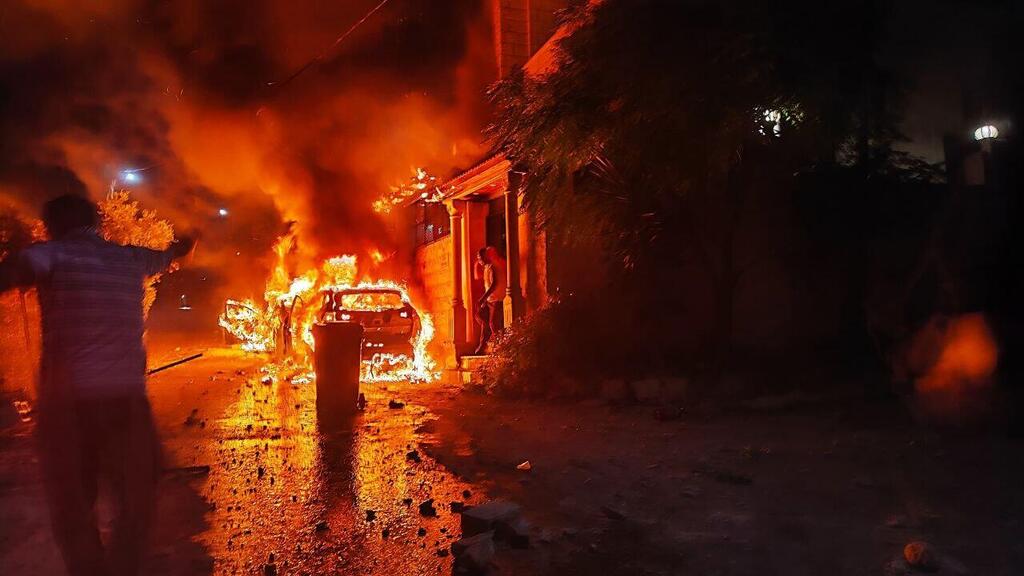
The initiative was first reported in November by ynet and Yedioth Ahronoth and was launched at the initiative of Defense Minister Israel Katz. The administration’s mandate is to synchronize the work of government ministries and regional councils implementing the national program. It will analyze data and trends relating to the youth involved and work to remove bureaucratic obstacles in order to accelerate implementation. Its structure will be determined in coordination with the Civil Service Commission.
The Defense Ministry will receive 2 million shekels annually through 2028 to fund the administration. In addition, the ministry is expected to allocate about 6 million shekels in coming years for welfare-related programs, including initiatives to prepare youth for military service and encourage enlistment.
The Education Ministry will operate a separate program for the youth, with a budget of about 36 million shekels, drawn from its own funds and an additional budgetary source to be transferred to the ministry. The number of social workers assigned to work with hilltop youth will also be increased, with roughly 12 million shekels allocated for that purpose. A violence-prevention program will be expanded as well, with funding exceeding 10 million shekels.
The National Security Ministry will allocate about 5 million shekels annually through 2028 to strengthen police activity involving youth designated for security service. The Settlement Ministry will also contribute funding and establish a national center called “The Next Generation.” The Labor Ministry is expected to allocate about 50 million shekels through 2028 to expand vocational training frameworks and employment programs for the youth.

Defense Minister Israel Katz visited Sa-Nur
(Photo: Defense Ministry)
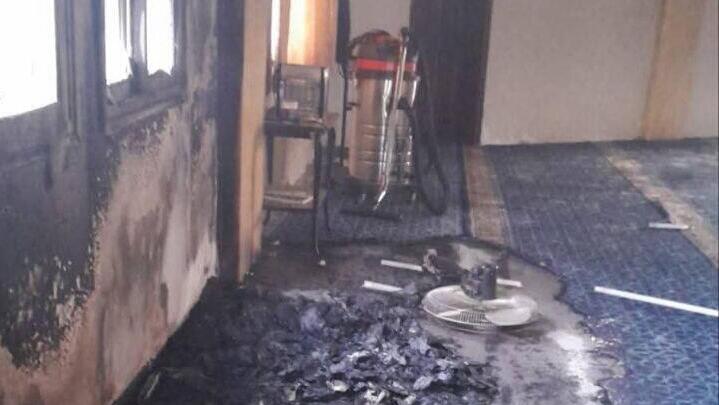
The series of decisions and the tens of millions of shekels allocated are part of a broader set of measures already carried out by Israel’s Shin Bet internal security agency, the military and the police in response to the hilltop youth phenomenon.
Upon taking office, Katz canceled the use of administrative detention orders against Jewish activists, leaving security agencies to rely instead on restraining orders. Several weeks ago, newly appointed Shin Bet chief David Zini authorized the use of electronic monitoring bracelets, but police and security officials have struggled to use the tool effectively.
So far, one minor has been fitted with an electronic bracelet. He later reported being attacked by unidentified individuals who removed the device. Police searched for him and, after several hours, located him and reinstalled the bracelet. In another case, a young man refused to have a bracelet installed, prompting legal proceedings. Despite a court decision authorizing the measure, he remains without electronic monitoring.
Over the past three years, about 150 agricultural farms have been established across the West Bank, stretching from the southern Hebron Hills through Gush Etzion and the Binyamin region to Samaria and the Jordan Valley. Most of the farms, particularly those approved by the military’s Central Command and the Defense Ministry, are located in Area C, where law enforcement officials say many violent incidents have occurred. Since the beginning of the year, security bodies report about 40 violent incidents in which Palestinians were injured. Police data show that by mid-January, 11 violent incidents had occurred in which Jewish shepherds were attacked, a figure that has since risen to nearly 20. Incidents that once occurred every two or three weeks are now happening almost daily, according to officials.
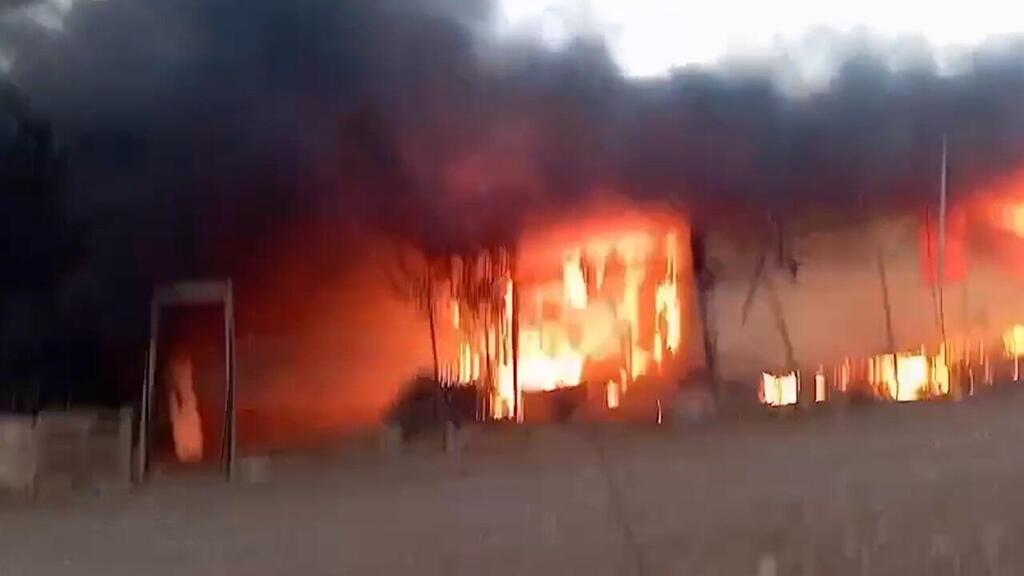
Arson attack on the Palestinian village of Mukhmas
Alongside the confrontations around farms and grazing areas, security agencies report an increase in what they describe as severe nationalist crime. Police and the Shin Bet have identified 14 outposts as hubs of violence from which perpetrators carry out so-called “price tag” attacks, including arson and property damage. Security officials have compiled a list of 30 youths considered primary targets for enforcement measures, including restraining orders, arrests and indictments. Those 30 are seen as the core of a group estimated to number about 300.
Unlike clashes around agricultural farms, security officials say 98% of nationalist crime incidents occur in Areas A and B, locations to which perpetrators travel. Intelligence officials say enforcement could be simplified by stationing forces at the 14 identified outposts and closely monitoring youth activity. Despite near-daily video documentation of attacks, most incidents do not result in arrests. Police data indicate a decline in the number of incidents in recent months. In October, 101 violent incidents were recorded, including 16 classified as severe. In November, the number fell to 87, with 13 severe incidents. In December, police recorded 54 incidents, 14 of them violent.
From the start of the year through mid-January, police opened 54 investigations, arrested nine suspects, filed seven indictments and issued seven restraining orders signed by the regional military commander. At the same time, Jewish shepherds have continued to report attacks. During a recent closed-door discussion attended by police officials and members of the Shin Bet’s Jewish division, police presented data showing that more than 10 attacks on Jewish shepherds occurred in the past week alone.
Following that presentation, West Bank police commander Moshe Pinchi appealed to the military’s Central Command and demanded that all outings by shepherds into open areas require prior reporting, with the aim of preventing friction and further violence.