

Britain’s likely next prime minister, Andy Burnham, said Labour “didn’t get it right” in its initial response to Israel’s military campaign in Gaza and apologized for the party’s stance, while signaling a tougher approach toward the Israeli government.
In an interview with The Guardian, Burnham said Labour must “do better” and indicated he would increase pressure on Israel if he becomes prime minister, including through additional sanctions and a possible ban on trade in goods from settlements.
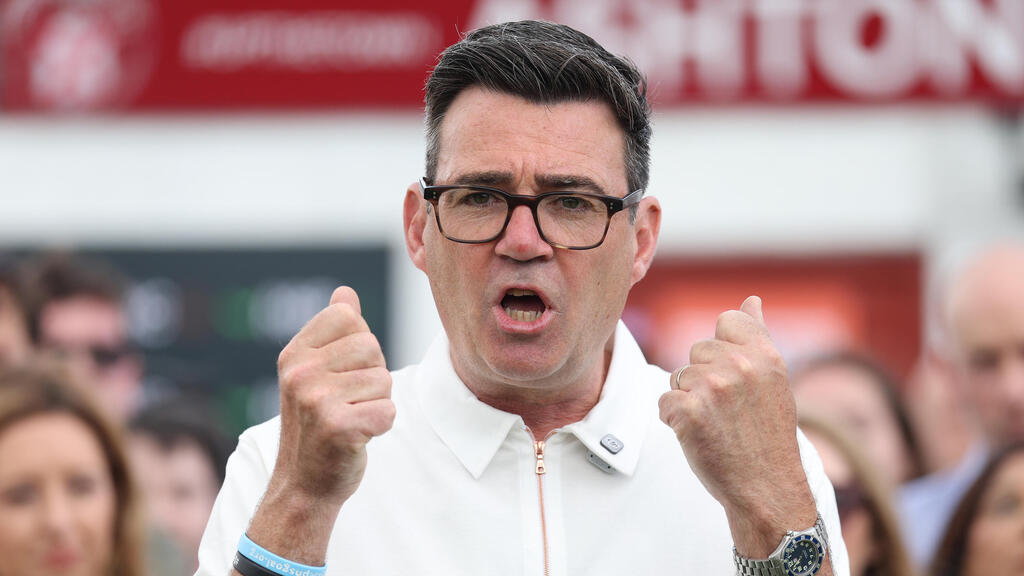
“I know many people feel that at the start of Israel’s military action in Gaza my party didn’t get it right and I am sorry about that. The response has too often not been good enough. We need to do better,” Burnham said.
“We’ve got to do more to put pressure on the Israeli government,” he added. “Yes, we have taken some important steps. But let’s be honest, the UK was too slow to call for a ceasefire. And we must now do more to strengthen our approach.”
Burnham is expected to replace outgoing Prime Minister Keir Starmer, who resigned last month following a series of scandals and poor local election results. Labour is set to hold a leadership contest in the coming weeks, with Burnham currently the only declared candidate.
His remarks point to a potential shift in Britain’s Middle East policy and appear aimed at regaining support from progressive voters who have distanced themselves from Labour over its position on Israel and the Palestinians.
‘War crimes appear to have been committed’
Burnham stopped short of calling the situation in Gaza genocide, but said there is “increasing evidence” that war crimes have taken place, emphasizing that such determinations should be made by international courts.
“I have been absolutely appalled by what I’ve seen and read about the destruction of Gaza. There’s increasing evidence that war crimes appear to have been committed,” he said.
“There must be accountability for the depth of the suffering the people of Gaza have experienced. Ultimately, however, it must be for the international courts to determine, rather than politicians.”
The Guardian reported that Green Party deputy leader Mothin Ali criticized Burnham, accusing him of relying on international courts “because admitting that the British government knows war crimes are being committed would trigger a legal duty to immediately halt arms sales.”
Burnham’s comments may also draw criticism from Starmer, whose early response to Hamas’ October 7 attack sparked backlash within Labour. Shortly after the attack, Starmer said Israel “has the right” to withhold power and water from Gaza, remarks he later clarified after nearly 10 days.
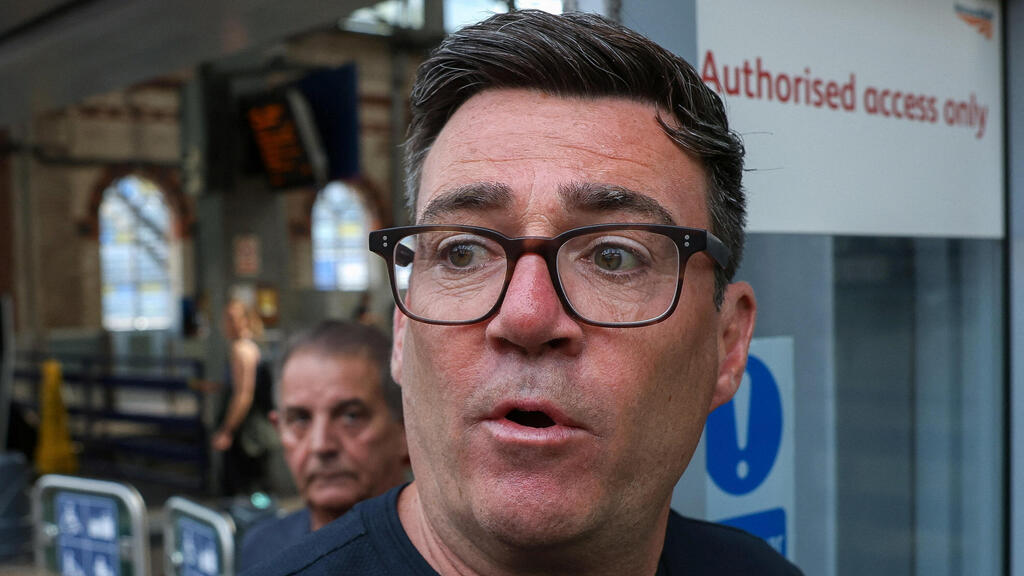
'War crimes appear to have been committed. Genocide? International courts will decide,' Burnham says
(Photo: REUTERS/Temilade Adelaja)
Starmer also faced prolonged pressure before Britain formally recognized Palestine as a state in 2025.
Burnham acknowledged that the government had taken steps, including recognizing Palestine, imposing sanctions on Israeli ministers and violent settlers, and restricting arms licenses to prevent British weapons from being used by the IDF in Palestinian territories.
However, many within Labour believe Starmer struggled to regain credibility on Gaza after his initial response, and that subsequent actions failed to resonate politically.
An Opinium poll conducted for the Palestinian Solidarity Campaign in June found that two-thirds of Labour voters who later switched to the Greens cited the party’s Gaza stance as a factor.
Reassuring Jewish communities
Burnham also sought to reassure Jewish communities, stressing his concern over rising antisemitism in Britain and saying he “strongly condemned” Hamas’ October 7 attacks.
“There is no contradiction between a zero-tolerance approach to antisemitism and holding the Netanyahu government to account. I will always take a fair and balanced approach and stand up for what is right,” he said.
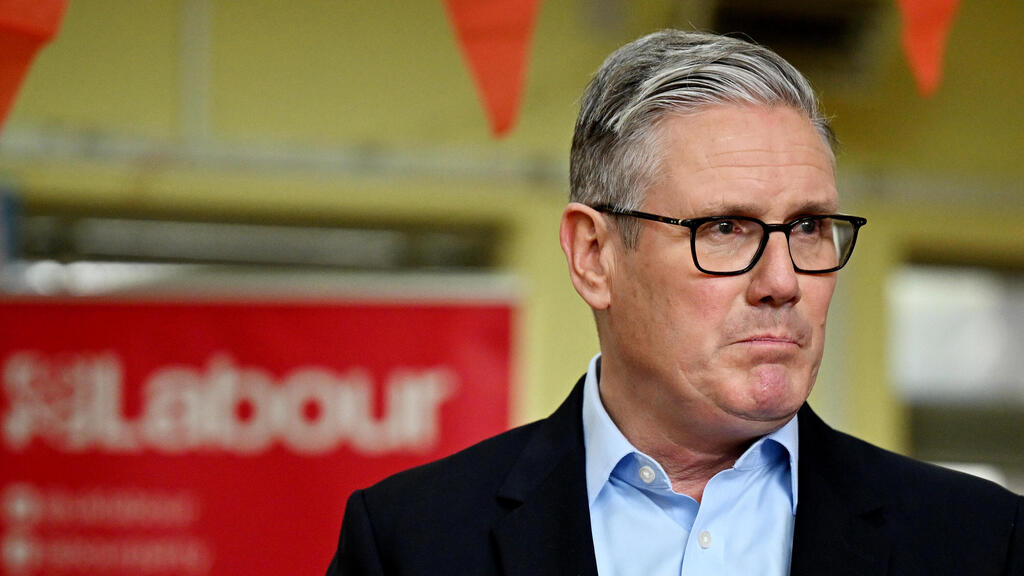
Outgoing Prime Minister Keir Starmer angered the left wing when he said Israel had the right to withhold water and electricity from Gaza
(Photo: Leon Neal/Getty Images)
He described the suffering of civilians in Gaza as “a scar on our collective conscience,” noting that Palestinians continue to be killed, aid remains insufficient, and Israeli forces are expanding their control on the ground.
Burnham is expected to face pressure from the left to impose a full arms embargo on Israel, including halting spare parts for F-35 fighter jets, and to reconsider the government’s stance on Palestine Action following a court ruling upholding its proscription.
He also criticized rising settler violence in the West Bank and East Jerusalem and the continued expansion of settlements, which he said are displacing Palestinian communities and undermining the possibility of a two-state solution.
“That’s why we need to do more, which includes looking at further sanctions, both on those involved in the violence in Gaza but also looking at measures to ban trade in goods with illegal settlements,” Burnham said.
According to the report, Foreign Office officials are already examining ways to block goods and services from settlements from entering the UK without affecting legitimate trade with Israel.