

Air defense systems were heard engaging what were described as “hostile targets” in parts of the Iranian capital, Tehran, on Thursday, Iran’s Mehr news agency reported, after earlier reports that air defense batteries had been activated in the city. An IDF official said Israel was not carrying out strikes in Iran.
Earlier, Defense Minister Israel Katz said Israel is “waiting for a green light from the United States — first and foremost to complete the elimination of the Khamenei dynasty and return Iran to the dark ages by striking its main energy and electricity facilities and destroying its national economic infrastructure.”
Footage circulated from Tehran purporting to show flashes in the sky following the activation of air defense systems


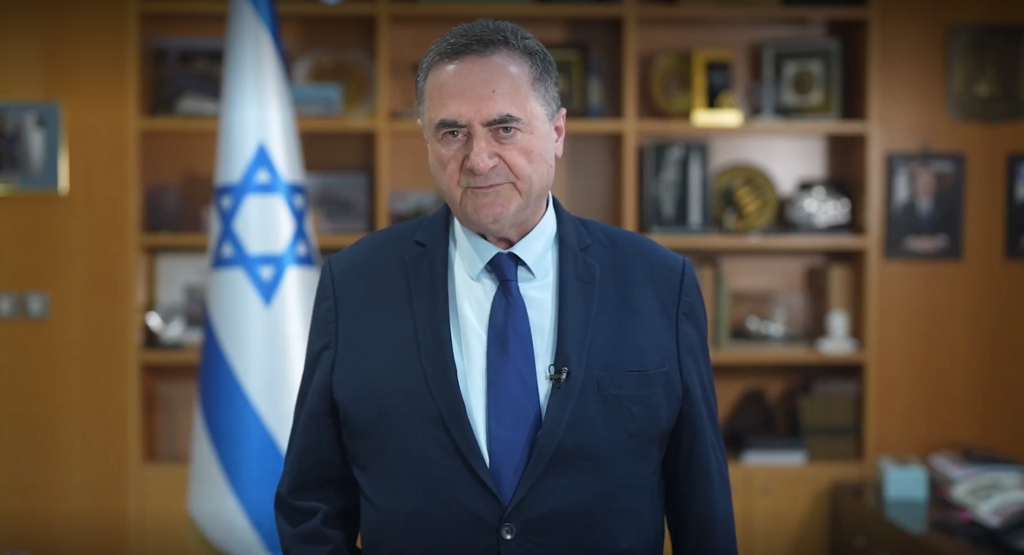
Katz made the remarks following a security assessment at Israel’s military headquarters in Tel Aviv with IDF Chief of Staff Lt. Gen. Eyal Zamir and other senior defense officials. “Israel is prepared to renew the war against Iran,” he said. “The IDF is ready in both defense and offense, and the targets are identified.”
He described Iran’s leadership as weakened, saying it “specializes mainly in internal repression of its population through the Islamic Revolutionary Guard Corps and the Basij,” while threatening global oil prices. “Its leaders are hiding in tunnels and struggling to communicate and make decisions. Its skies are wide open, and all its national infrastructure and strategic facilities are exposed to attack — yet it declares victory,” Katz said.
He added that, like Hezbollah in Lebanon and Hamas in Gaza, Iran’s leadership “does not care about the heavy price paid by the civilian population — only about personal survival, which is not guaranteed.” He warned that any future attack “will be different and deadly, delivering devastating blows in the most sensitive places, continuing the severe blows already suffered by the Iranian regime, shaking and collapsing its foundations.”
After more than two and a half years of fighting, IDF forces have uncovered a Hezbollah underground command center about 25 meters (roughly 80 feet) deep beneath a clothing store in the southern Lebanese village of al-Khiam, about 5 kilometers (3 miles) from the Israeli town of Metula.
Footage of a Hezbollah tunnel inside a clothing store in al-Khiam
(Video: IDF)
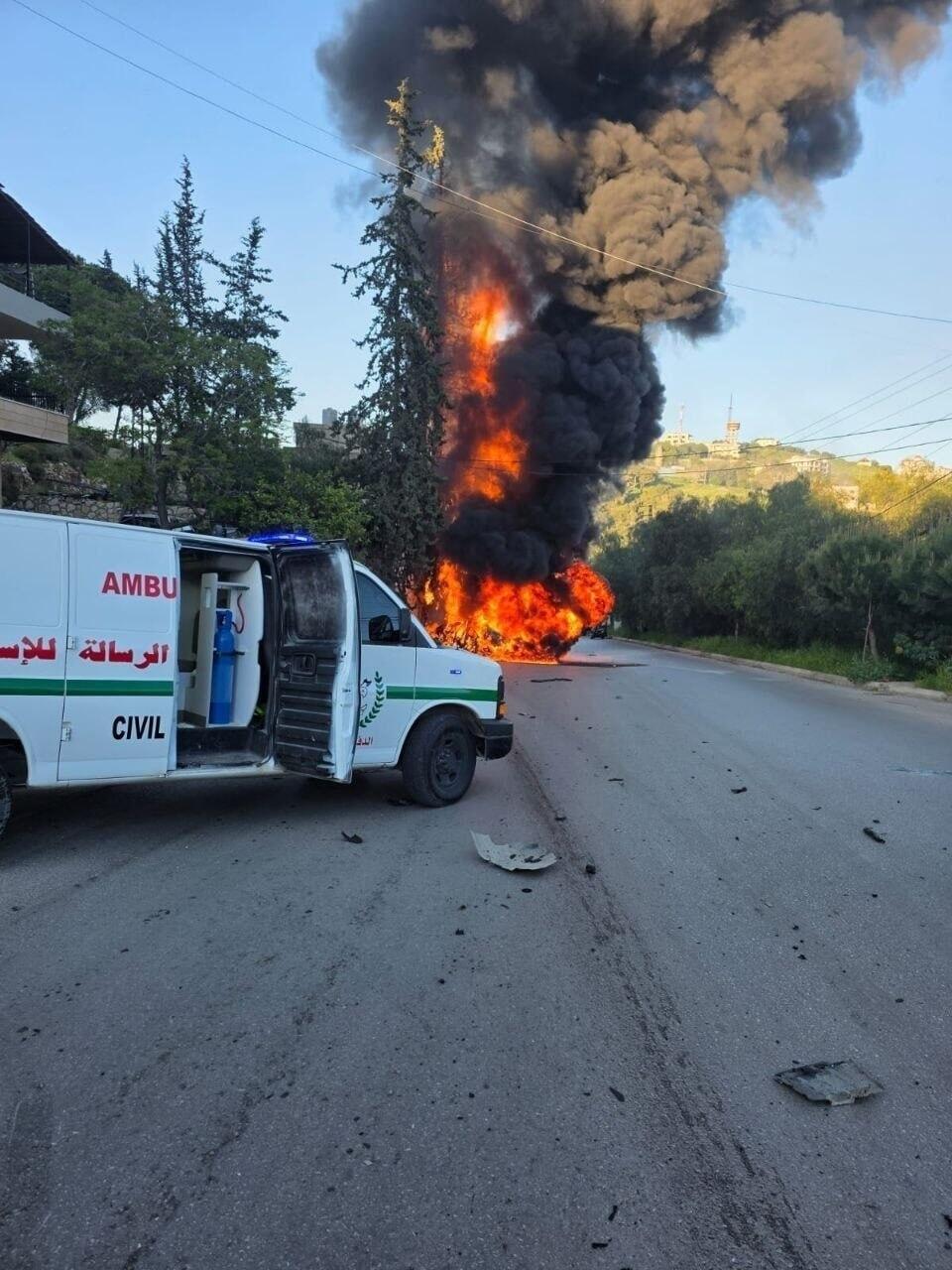
Amid a fragile ceasefire with Lebanon, troops from the 769th Brigade Combat Team, under the 91st Division, continue operating across the border south of what the military now calls the Yellow Line — a term the IDF says refers to a forward defense line intended to prevent direct threats to northern Israeli communities.
During operations to expose and dismantle militant infrastructure in the village, forces located a tunnel beneath a civilian clothing shop. The tunnel, approximately 25 meters deep, served as a Hezbollah command center and contained weapons as well as rooms used to manage combat operations.
“The Hezbollah terrorist organization embeds terror infrastructure within civilian areas, thereby endangering the residents of Lebanon,” the IDF said in a statement. “The construction of underground infrastructure within civilian spaces in Lebanon constitutes a deliberate and cynical exploitation of Lebanese civilians to advance Hezbollah’s terrorist objectives.”
“The IDF will continue to operate to defend the forward line of defense and remove threats to the citizens of Israel and IDF forces,” the statement added.
Until recently, the term “Yellow Line” was used to describe a line in Gaza to which Israeli forces withdrew in October 2025. Over the weekend, the IDF began using the same term for its defensive line in Lebanon. Following U.S. President Donald Trump’s announcement of a ceasefire in Lebanon — and his statement that Israel “must not bomb Lebanon, enough” — the line was effectively established, with Israeli forces remaining positioned there, similar to the situation in Gaza.
Since Lebanon joined the war against Iran, Katz and Prime Minister Benjamin Netanyahu have pledged a decisive outcome in Lebanon and the disarmament of Hezbollah. Cabinet ministers, like the broader Israeli public, learned of the ceasefire from Trump’s social media announcement, prompting anger and criticism given the gap between prior forceful statements and the emerging reality.
First published: 19:38, 04.23.26