

Iran is working to advance a plan that could allow it to earn billions of dollars from the Strait of Hormuz, the strategic waterway that serves as one of the world’s most important oil routes, according to officials familiar with the matter cited by The Wall Street Journal.
Tehran estimates that charging ships for “security, safety and environmental services” in the strait could generate about $40 billion a year for the countries involved in the arrangement, the officials said. If implemented, the plan would give Iran a source of income and a degree of control it did not have before the war.
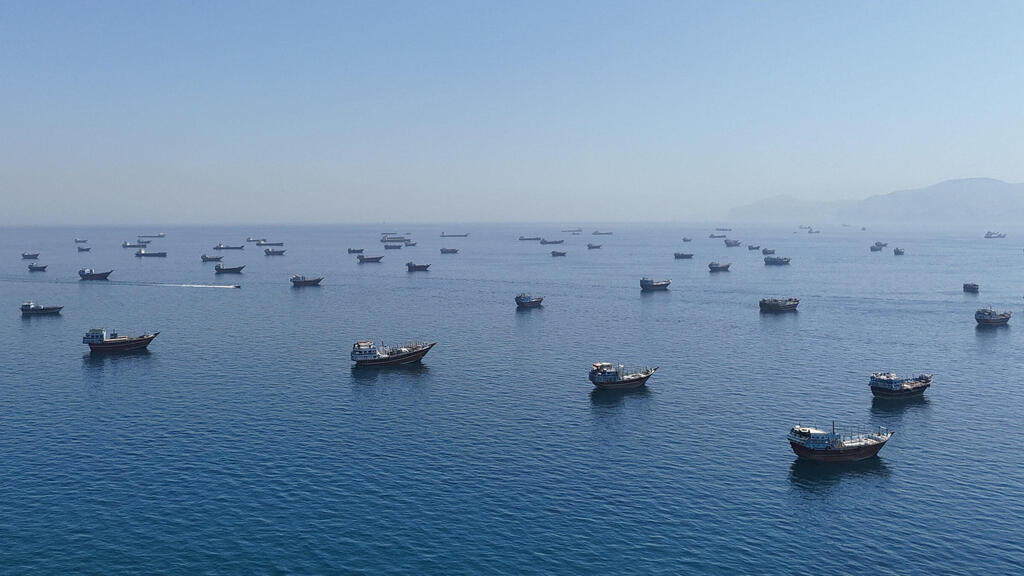
The Strait of Hormuz
(Photo: REUTERS/Stringer)
The Islamic Republic is examining similar models around the world, including the Dardanelles, where Turkey charges ships a passage tax known as the “gold franc” for travel to and from the Aegean Sea through the international waterway.
According to Iranian officials, Tehran is pitching the idea to countries across the Middle East and as far as China in an effort to build support. Iran wants its Persian Gulf neighbors to be part of the agreement and share the revenue, they said.
“Everyone should know that management of the strait will never return to what it was before,” Iranian parliament speaker Mohammad Bagher Ghalibaf, who leads Iran’s negotiating team, said during a visit to Oman on Tuesday, where he discussed the proposed arrangements with the country across the strait.
U.S. Secretary of State Marco Rubio rejected the idea during his visit to the Middle East this week, warning that imposing fees or transit charges would create a dangerous precedent that could spread “like a plague” and cause chaos.
“No country in the world has the right to charge for the use of international waterways, and that will never be an acceptable condition in any agreement,” Rubio said in Bahrain. He added that Persian Gulf states had rejected the idea of charging ships for passage through the Strait of Hormuz.