

One of U.S. President Donald Trump's central objectives in launching military action against Iran was to prevent the Islamic Republic from acquiring a nuclear weapon. But more than five months after the campaign began, officials and nuclear experts say the strikes significantly slowed Iran's nuclear program without eliminating it.
The biggest unanswered question is the fate of Iran's stockpile of highly enriched uranium.
Gallery
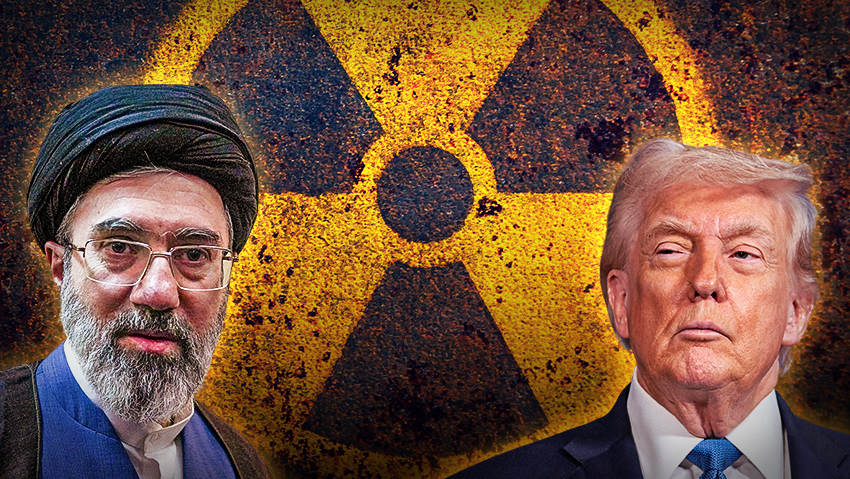
Iranian Supreme Leader Mojtaba Khamenei, US President Donald Trump
(Photo: Hamed Jafarnejad/ISNA/WANA (West Asia News Agency) via REUTERS, REUTERS / Jonathan Ernst, Shutterstock)
Iran continues to deny inspectors from the International Atomic Energy Agency (IAEA) access to its most sensitive nuclear facilities. According to IAEA estimates, despite repeated Israeli and U.S. strikes on Iran's three principal nuclear sites in 2025 and 2026, Tehran still possesses enough uranium enriched to 60% purity—just below weapons-grade—to produce fissile material for up to 10 nuclear bombs if further enriched.
"The capability is largely still there," Ellie Geranmayeh, an Iran expert at the European Council on Foreign Relations and author of its Iran Nuclear Monitor, told The New York Times.
Daryl Kimball, executive director of the Arms Control Association, argued in a recent analysis that the war demonstrated the limits of Trump's "maximum pressure" strategy, saying military action alone could neither erase nor permanently eliminate Iran's nuclear capabilities.
Isfahan: Hundreds of kilograms of enriched uranium may still be there
Most of Iran's highly enriched uranium is believed to be stored near the central city of Isfahan.
In February, the IAEA estimated the site contained about 440 kilograms (970 pounds) of uranium enriched to 60%—enough, after further enrichment, to produce material for nine or 10 nuclear weapons within weeks.
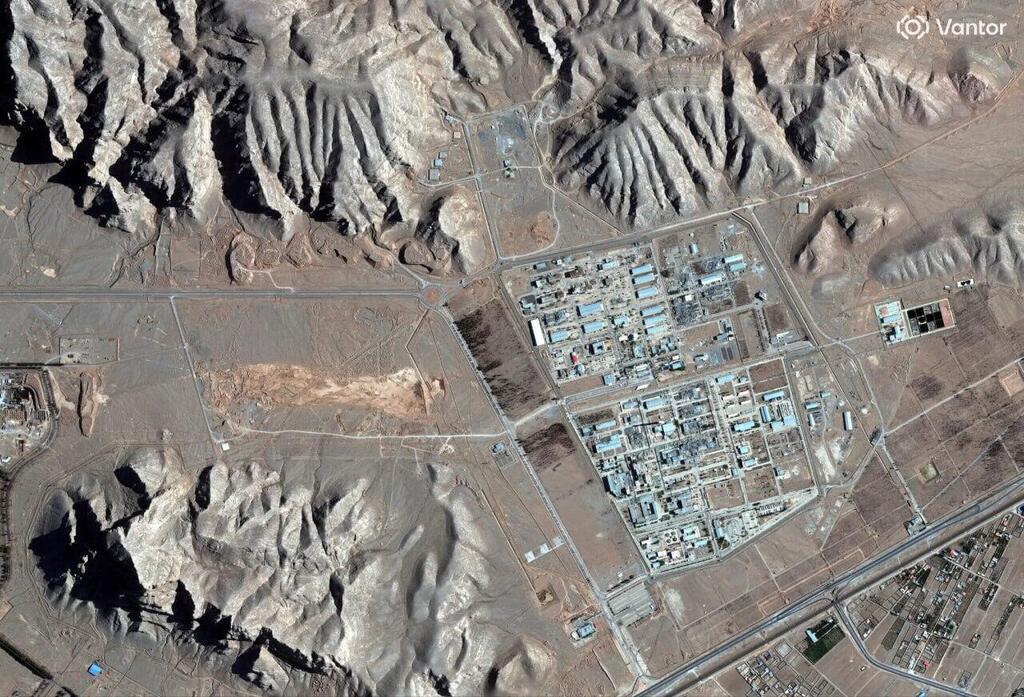
Satellite image of Iran’s Isfahan nuclear site, where most of the country’s enriched uranium stockpile is believed to be stored, taken in June
(Photo: Vantor, via Reuters)
The Isfahan nuclear complex suffered extensive damage during U.S. and Israeli strikes in June 2025, including two facilities used for uranium conversion and enrichment. However, experts believe the uranium stockpile itself was not destroyed and likely remains at the site.
According to a detailed assessment by the Institute for Science and International Security, between 265 and 287 kilograms of the stockpile may remain buried at Isfahan, while as much as 80 kilograms could be at the Fordo enrichment plant, although that estimate has not been independently confirmed. The remainder is believed to be at Natanz.
Most of the 60%-enriched uranium is stored as uranium hexafluoride (UF6) gas in relatively small cylinders roughly the size of scuba tanks, meaning hundreds of kilograms of nuclear material could theoretically be moved without requiring large transport equipment if tunnel access remains available.
U.S. intelligence agencies reportedly believe Iranian personnel can still reach the Isfahan stockpile through a narrow access point. Although the site remains under continuous surveillance, the possibility that Tehran could retrieve the material remains one of the chief concerns about the effectiveness of the military campaign.
Natanz: A damaged enrichment plant—and a new underground complex
Another portion of Iran's enriched uranium is believed to be at Natanz, the country's largest uranium enrichment facility.
Much of the site is buried underground. Iran concealed Natanz from international inspectors until opposition groups revealed its existence in 2002.
Above-ground facilities were heavily damaged during the June 2025 strikes. Earlier this year, entrances to the underground enrichment halls were also hit, in what analysts believe may have been an attempt to entomb both the facility and any nuclear material stored below ground.
Roughly 1.5 kilometers (1 mile) from Natanz is another site drawing growing concern: Kuh-e Kolang Gaz La, sometimes referred to as "Pickaxe Mountain."
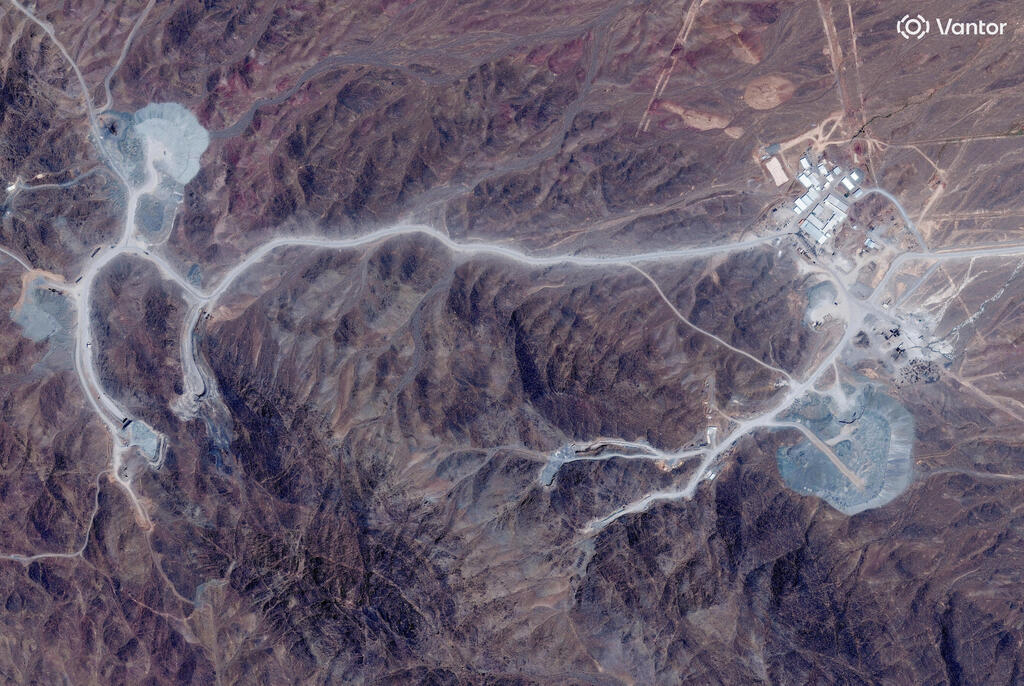
Pickaxe Mountain
(Photo: Vantor/Handout via REUTERS)
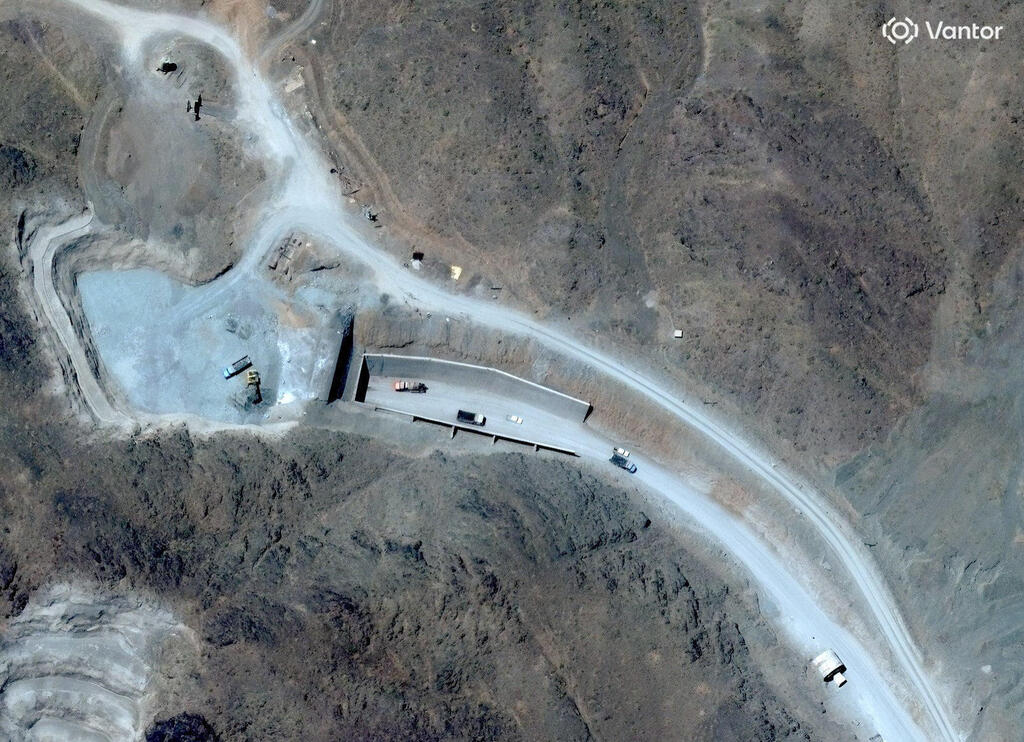
(Photo: Vantor/Handout via REUTERS)
Iran announced in 2020 that it was constructing a deeply buried centrifuge production facility there capable of surviving even bunker-buster bombs. Although experts believe the complex is not yet operational, satellite imagery indicates construction continued even after the June 2025 attacks.
Trump has repeatedly threatened to strike the site but has so far refrained from doing so.
Fordow: Severely damaged but not necessarily destroyed
For years, Fordow was considered the crown jewel of Iran's enrichment program—a heavily fortified facility built deep beneath a mountain.
During the June 2025 strikes, U.S. forces dropped 12 bunker-buster bombs on the site. U.S. intelligence assessments concluded the facility sustained severe damage and may have been rendered inoperable. Its four tunnel entrances remained buried beneath debris at least through mid-May.
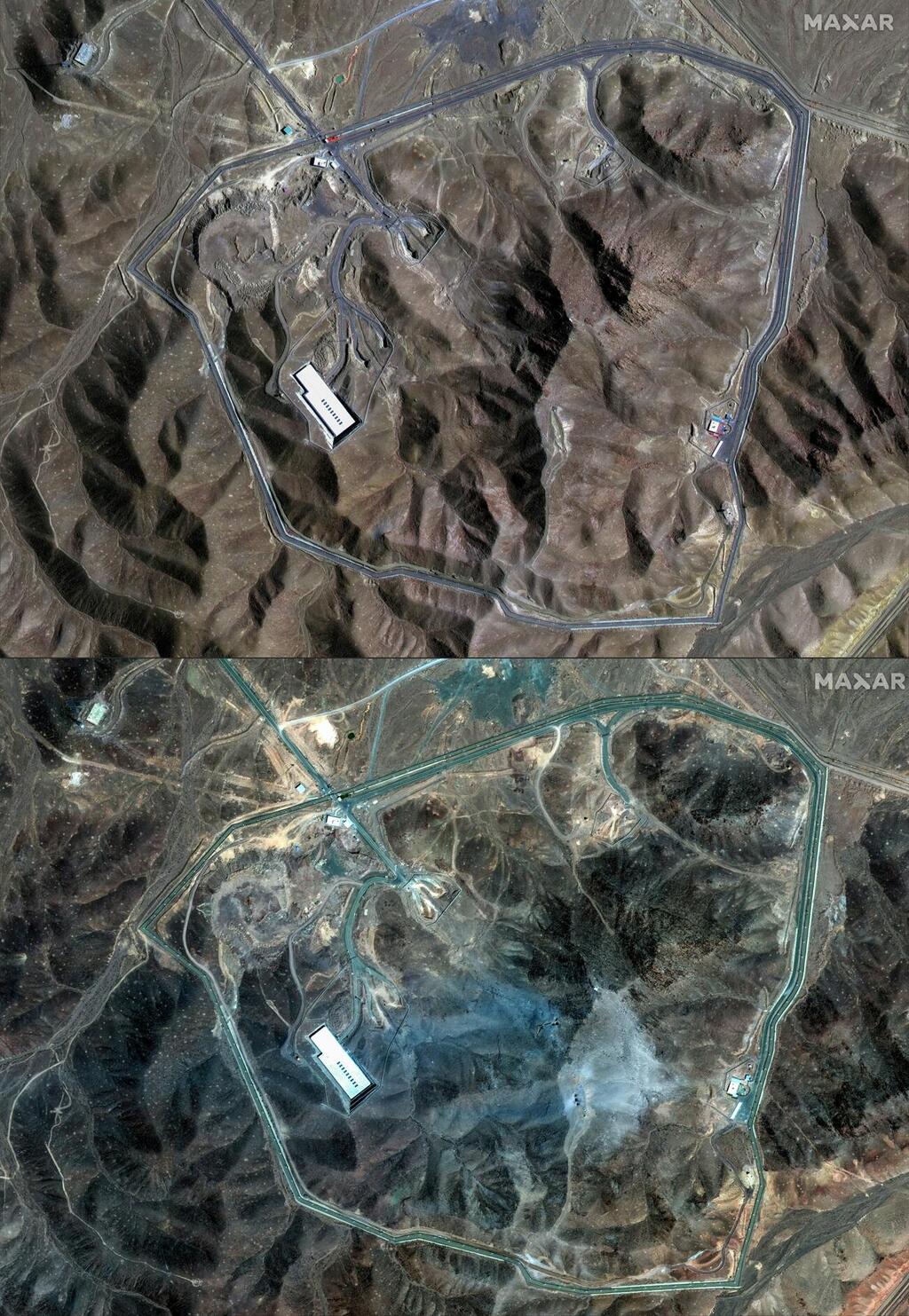
Iran’s Fordow nuclear facility before and after the US strike in June 2025
(Photo: AFP)
Satellite imagery released in June showed Iran had placed new obstacles on roads leading to the blocked tunnel entrances, apparently to complicate any future attacks.
However, during the most recent round of fighting, strikes near Fordow reportedly focused primarily on Iranian air-defense systems and a nearby research center rather than the enrichment facility itself.
How quickly could Iran rebuild?
Despite concerns about the surviving uranium stockpile, recent satellite imagery shows no evidence that Iran has resumed uranium enrichment or attempted to retrieve the stored material.
Likewise, above-ground centrifuge production facilities remain destroyed, with no clear signs of reconstruction.
That means the immediate concern is less about ongoing enrichment than about Iran's ability to rapidly restart the program if it chooses.
Iran continues to insist its nuclear program is intended solely for peaceful purposes. But enriching uranium to 60% purity—far beyond levels needed for civilian nuclear power—combined with Tehran's restrictions on international inspections, has fueled growing concern about its intentions.
US President Donald Trump sets a deadline for a nuclear deal with Iran earlier this week


In April, Trump declared his administration had "obliterated" Iran's nuclear program.
IAEA Director General Rafael Grossi has acknowledged that the strikes have "really rolled back the program significantly" but has also warned that major unresolved issues remain after the military campaign.
James Acton, a physicist and Iran expert at the Carnegie Endowment for International Peace, believes enough of Iran's nuclear infrastructure survived to allow Tehran to return to a path toward a bomb relatively quickly if additional pressure is not applied.
"I would imagine they could produce a bomb in less than a year at this point," Acton said, adding it could take "substantially less than a year."
The Arms Control Association similarly estimates that if Iran regains access to its enriched uranium stockpile and about 100 advanced centrifuges, it could produce enough weapons-grade uranium for one nuclear weapon within weeks. That does not mean Tehran could assemble an operational nuclear bomb within that timeframe, only that it could produce the necessary fissile material.
Geranmayeh declined to estimate how long it would take Iran to fully rebuild its nuclear program but warned that the existing uranium stockpile poses the greatest immediate risk.
"Without monitoring," she said, "Iran could rapidly enrich its existing uranium stockpile to weapons-grade."