

Two days after former hostage Yosef-Haim Ohana returned to his home in Kiryat Malachi, six weeks after his release from Gaza, his father Avi spoke Tuesday about the moment his son walked back through the door — and the long process of recovery he is navigating after spending 738 days in Hamas captivity.
“It was a great miracle, we thank God,” Avi said. “I want to thank the entire people of Israel for two years of prayers. It is a miracle that my son came out alive. To survive 738 days in a tunnel, in unbearable suffering, is beyond nature. And our soldiers risked their lives to bring him back — I thank them all.”
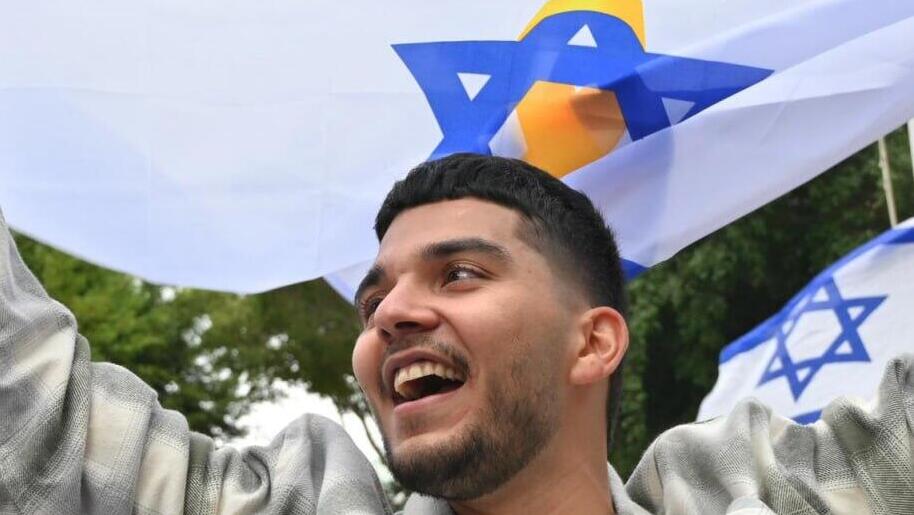
He described the emotional scene when Yosef-Haim arrived home on Sunday. “The welcome was unbelievable. Kiryat Malachi is a small, close-knit city. People waited for him; it was like oxygen for the city. He missed everyone — the residents, his home. He walked into my house, into his room, then into his mother’s home too. He froze. He couldn’t believe he was back. Tears ran down his face. He never thought he would see his home again.”
According to his father, the shock lingered. “Apart from crying and the immense longing, he could barely speak. He told me there were moments in captivity when you don’t care if you live or die from the suffering and torture. But what kept him alive was imagining home — seeing his mother, father, his brothers, his city. That hope kept him alive day by day.”
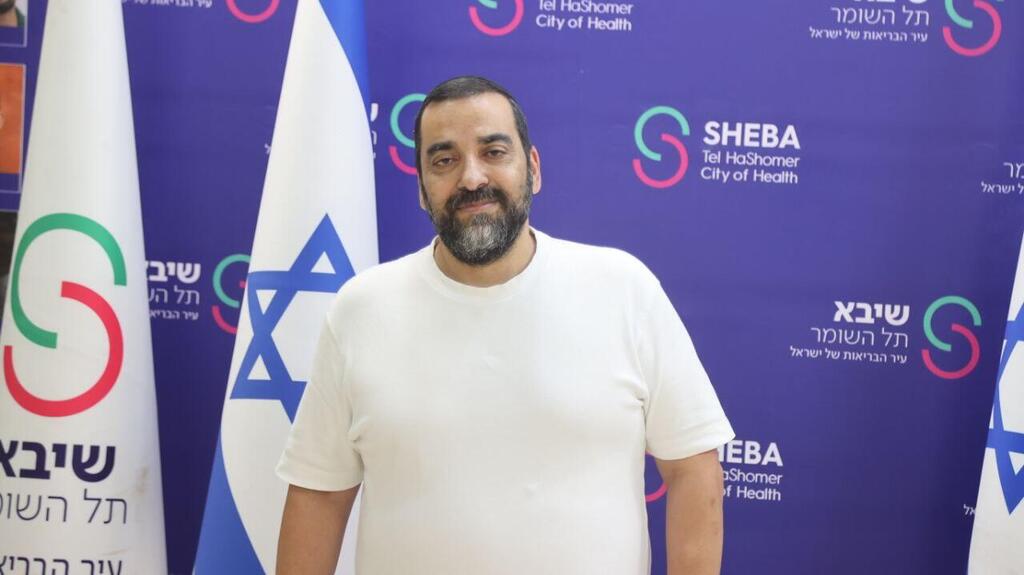
Avi Ohana the father of Yosef-Haim
(Photo: Moti Kimchi)
Since his return, Yosef-Haim has been surrounded by friends. “From the first day, he went straight back to them,” Avi said. “Friends from work, Nova, the army, school — he’s with them all day. He goes out to restaurants, to the beach. It does him good.”
He also spent three weeks in the United States as part of his rehabilitation. “It wasn’t easy for me, but it helped him,” Avi said. “He told me, ‘Dad, it’s from zero to a hundred,’ and I told him, ‘It’s from minus a thousand to plus a thousand.’ He needed quiet, space. It healed him.”
But some memories remain too difficult to recount. “He shares only a few stories,” Avi said. “Maybe later he’ll open up.” One moment, however, he did reveal — the first hours after he was kidnapped on October 7.
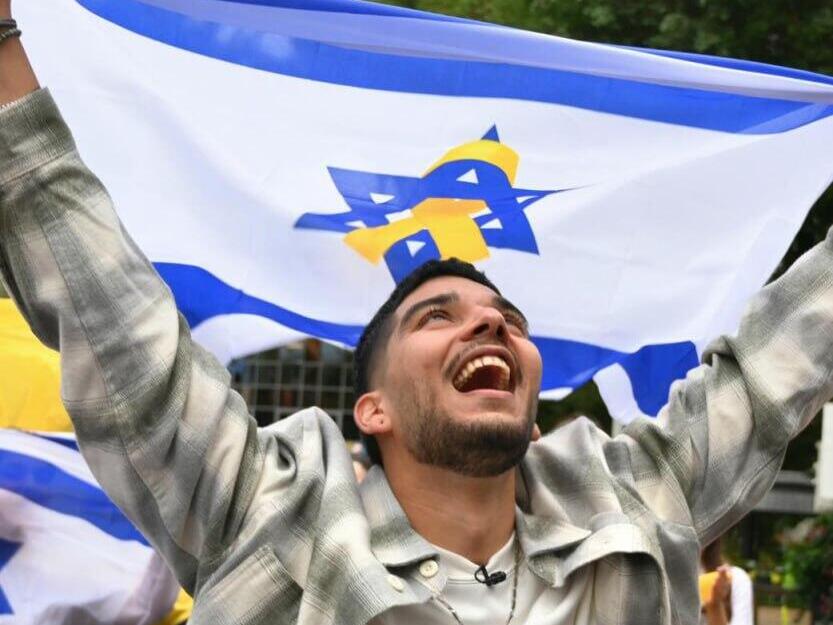
(Photo: Paulina Patimer)
“They put heavy British handcuffs on him,” Avi said. “They took him toward Gaza, and around 9:30 a.m. they brought him into a mosque, blindfolded and bound. Those animals lost the key to the handcuffs, so they stayed on him for two days. His hand swelled, the blood stopped, the pain was unbearable. Then one terrorist came to him and said, ‘We have no choice — we have to free the handcuffs.’ They came with a utility knife intending to cut off his hand.”
“My son told me, ‘Dad, I closed my eyes and begged God to take me before they did it. I preferred to die.’”
Another terrorist eventually arrived with a set of keys and managed to unlock the restraints — but not before the attacker took the knife and, in rage, shaved off all of Yosef-Haim’s hair down to the scalp.
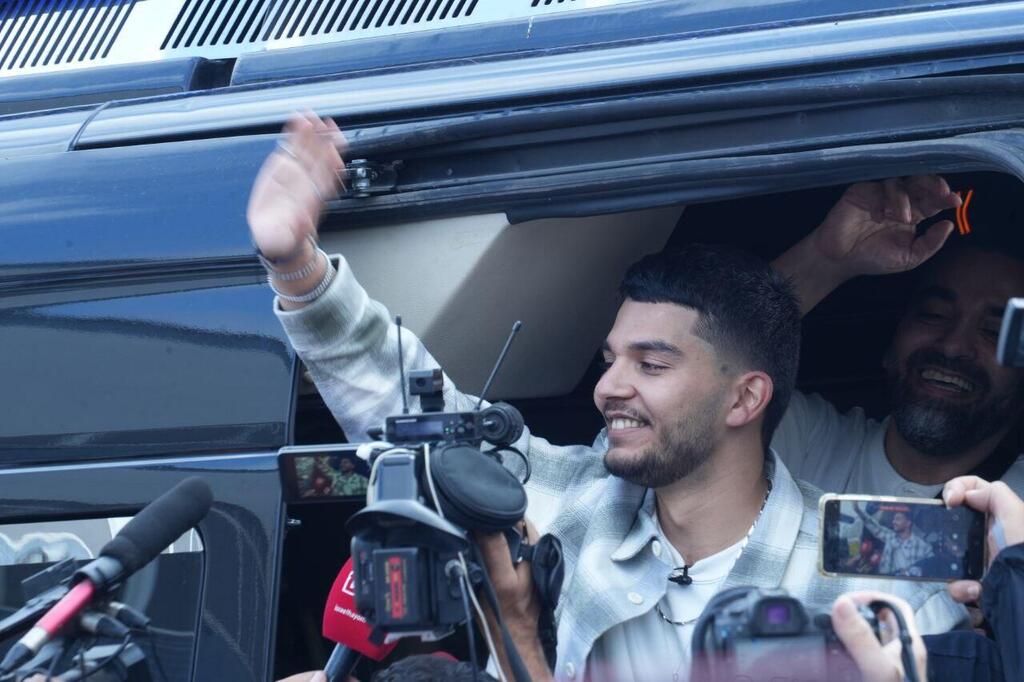
(Photo: Tomer Shonam Halevi)
The family has launched a crowdfunding campaign to support his recovery. “We need the help,” Avi said. “We are divorced and each of us rents a place. He is 25 — he needs privacy. We don’t know when he’ll be able to work again.”
Avi also criticized the coalition after it voted down a proposal to allocate four million shekels in aid for freed hostages. “It hurts. These are civilians, not soldiers captured in battle. After two years in captivity, the least the state can give is a home. It’s the minimum. It would have helped the government and the country — and it is simply the right thing for the hostages and for Israel.”