

China is preparing to provide Iran with new air defense systems in the coming weeks, CNN reported Saturday, citing U.S. intelligence assessments in a potentially provocative move after Beijing said it had helped broker the fragile ceasefire that halted the war between Iran and the United States earlier this week.
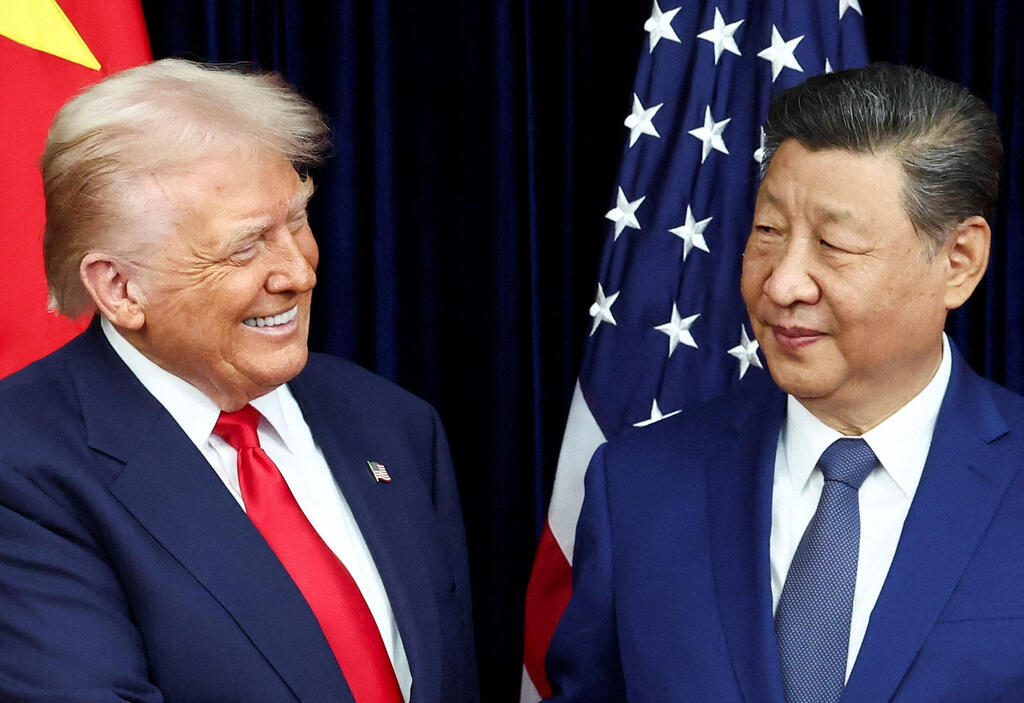
The report comes ahead of U.S. President Donald Trump’s expected trip to China next month for talks with Chinese counterpart Xi Jinping.
According to CNN, U.S. intelligence officials believe the systems involved are shoulder-fired anti-aircraft missiles known as MANPADS, weapons that could pose a renewed threat to low-flying U.S. military aircraft if the ceasefire collapses. The report also cited indications that Beijing may be trying to route the shipments through third countries in an effort to disguise their Chinese origin.
A spokesperson for the Chinese Embassy in Washington denied the report, saying China had “never provided weapons to any party to the conflict” and calling the information untrue, according to CNN. Beijing said it consistently fulfills its international obligations and urged the United States to avoid what it described as baseless accusations and sensationalism.
The report underscored how Iran could use the ceasefire to replenish parts of its arsenal with help from foreign partners. CNN said direct transfer of air defense weapons by the Chinese government would mark a significant escalation beyond the dual-use technology that Chinese firms have continued to sell to Iran despite sanctions, according to sources cited in the report.
Trump said earlier this week that an F-15 fighter jet brought down over Iran had been hit by what he described as a shoulder-fired, heat-seeking missile. Iran has said it used a “new” air defense system to strike the aircraft, though it has not publicly identified the system and it remains unclear whether it was of Chinese origin. Trump announced a two-week ceasefire with Iran on April 7 after six weeks of war.
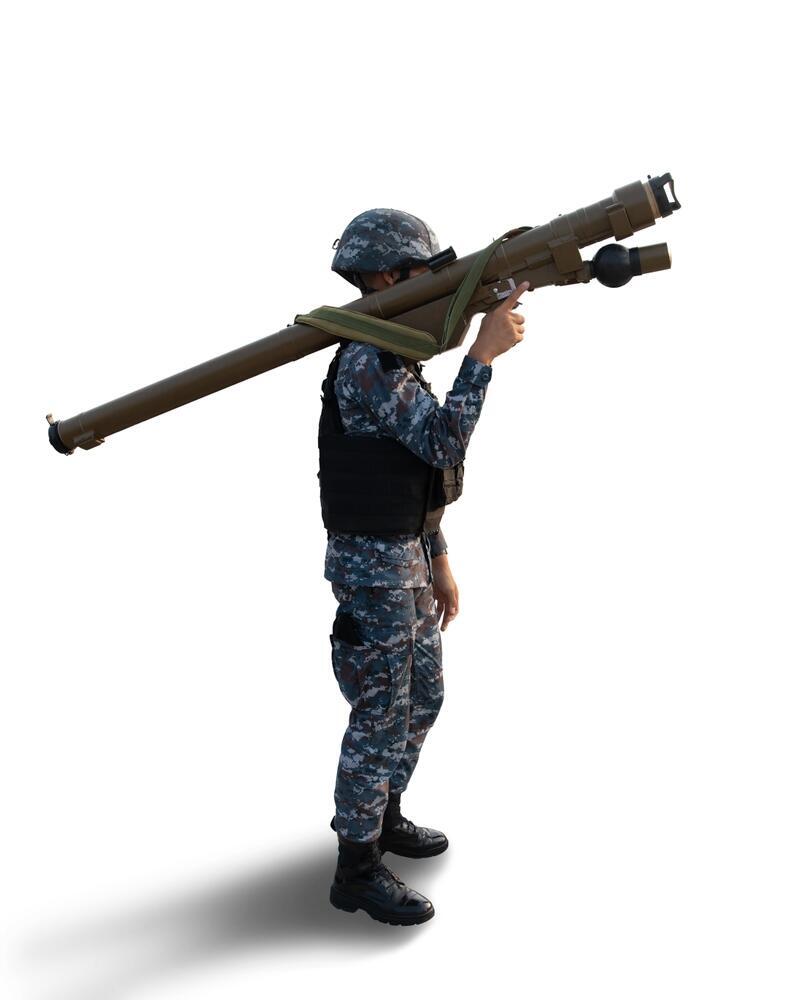
Shoulder-fired anti-aircraft missile — MANPAD
(Photo: Sanit Fuangnakhon/Shutterstock)
The White House said this week that senior U.S. and Chinese officials were in contact as negotiations over the ceasefire proceeded. Vice President JD Vance is leading the U.S. delegation for talks with Iran in Islamabad, where both sides have arrived amid low expectations and continued disputes over the terms of the ceasefire.
One source familiar with the intelligence told CNN that China did not appear to see strategic value in openly entering the conflict to defend Iran against the United States and Israel, something Beijing knows it cannot win.
Instead, the source said, China appeared to be trying to preserve its image as a steady partner to Iran, whose sanctioned oil it buys in large quantities, while maintaining outward neutrality and plausible deniability. CNN also said Chinese officials could present air defense support as defensive rather than offensive, distinguishing it from Russia’s support for Tehran during the war.
Iran has longstanding military and economic ties with both China and Russia. Tehran has supplied Russia with Shahed drones during the war in Ukraine, while China remains the main buyer of Iranian oil despite sanctions, relationships that have deepened as Iran has become more isolated from the West.
The Chinese Embassy in Israel said in a statement: "The report is entirely fabricated. As a responsible major country, China always abides by international law and its international obligations, and never provides weapons to any party to the conflict. China firmly rejects the circulation of speculative, misleading, and false information targeting China.
China’s position on the Iran issue is clear and straightforward. We have always upheld an objective and impartial stance. China has consistently worked to promote peace talks and never added fuel to the fire. The current ceasefire negotiations have not come easily. We hope that relevant parties will do more to ease tensions, rather than the opposite."