

Chila Ezra, 50, a widow, partner, mother and grandmother, learned she had been selected for a presidential citation during a visit from Justice Ministry National Anti-Trafficking Coordinator Attorney Dina Dominitz.
“I work with her on the Justice Ministry’s advisory committee, which reviews requests for official recognition from victims of trafficking and modern slavery,” Ezra said. “My role is to offer counseling on these cases. The award was given to me personally, but it belongs to many people who have supported me on this journey.”
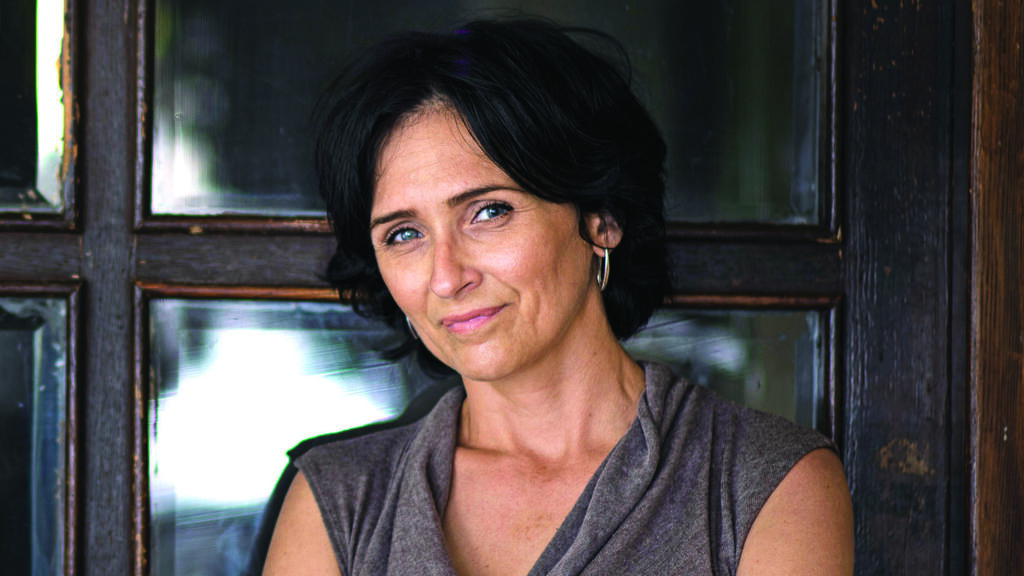
Were you excited to meet the president?
“Absolutely. He was very supportive, but the deeper emotion came from the acknowledgment that this phenomenon exists. That marks a significant shift in how our institutions view the issue of human trafficking."
How widespread is human trafficking?
“More than you can imagine. Trafficking isn’t just clear-cut abductions like mine; it can involve manipulation, coercion or exploiting someone’s vulnerability, pushing them into doing things against their will, all while making it seem like it’s their choice."
How were you trafficked?
“I left my daughter with my mother and went out with a friend to a pub. We were both kidnapped. I was sold for $1,000 to human traffickers from Israel. They brought us to a brothel in Acre, where we worked for several months, sometimes seeing 20 men a day. Eventually we escaped with the help of someone who promised to rescue us, but he forced us into prostitution for him in Tel Aviv.
“After developing a drug addiction, I fell in love with an Israeli man and married him. Ever since, and for 20 years, I've been fighting to obtain Israeli citizenship. He died before I managed to do so. I finally received permanent residency five years ago.”
Why did you want citizenship in a country you were trafficked to?
“Because I felt more supported here than in Hungary, where I felt like a stranger. At one point, I returned there for rehab and considered staying. But it felt like going back to a foreign land. I was a different person, and reconnecting with my family was deeply traumatic. Around that time, my husband reached out and told me he had renewed my citizenship application and asked me to return, so I did, feeling it was the best thing for me."
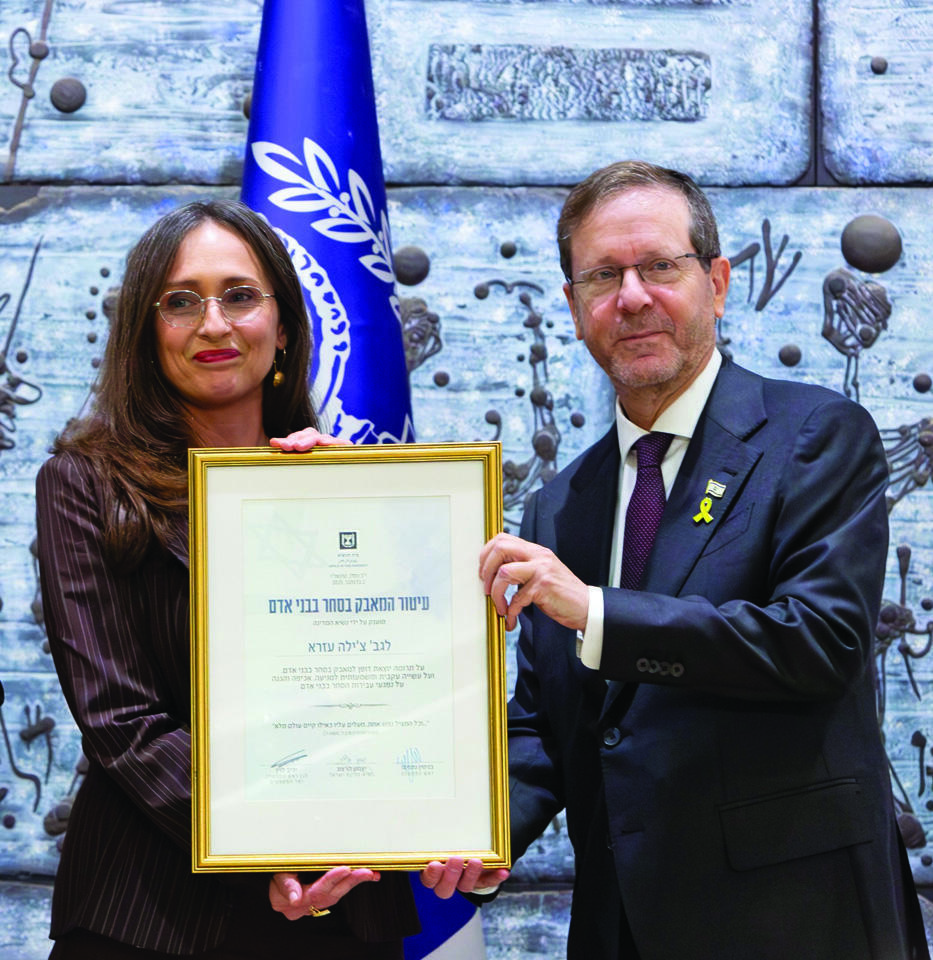
Chila Ezra receives a presidential citation from President Isaac Herzog
(Photo: Private album)
Who was the first person you told about the award?
“My partner, Ben Bechor. He’s my redemption, my dream come true. We’ve been together for five years. He’s a tech worker who switched careers and now works in renovations. He is completely different from the men I used to know."
How did you meet?
“On an app. By our third date, I told him everything. I didn’t want to carry that burden anymore. I prepared myself for him to walk away, but he told himself, ‘If after everything she’s been through she still has light in her eyes, she must be someone special.’"
Do you plan to marry so you can obtain citizenship?
“We’re building a future together; it’ll happen soon. But I want to stress that my struggle wasn’t for citizenship. It was for the country and society to acknowledge that I was wronged here."
Are you in touch with your daughter, who lives in Hungary?
“We’ve reconnected, but we still have work to do. I’d love for her to live here so I can be more involved in her life, but it’s not possible because she’s not Jewish."
What do you do for a living?
“I give private lectures about my story and speak on education panels organized by the Education Ministry, alongside the film A Whore Like Me, directed by Yael Shachar and Sharon Yaish, about my story. I’ve also started designing jewelry, and I’m paid for my work with the Justice Ministry’s advisory committee."