


After marathon negotiations, ultra-Orthodox party representatives have dropped their demand for a formal draft exemption law, agreeing instead to a general "principles document" regarding military service, Ynet learned on Wednesday.
The compromise, finalized after hours of talks, must now be approved by Yuli Edelstein, chairman of the Knesset Foreign Affairs and Defense Committee, which is overseeing the legislation. Edelstein later informed the ultra-Orthodox parties in the Knesset plenum that “as long as the threat to topple the government isn’t lifted, there’s nothing to talk about. I don’t work under threats.”
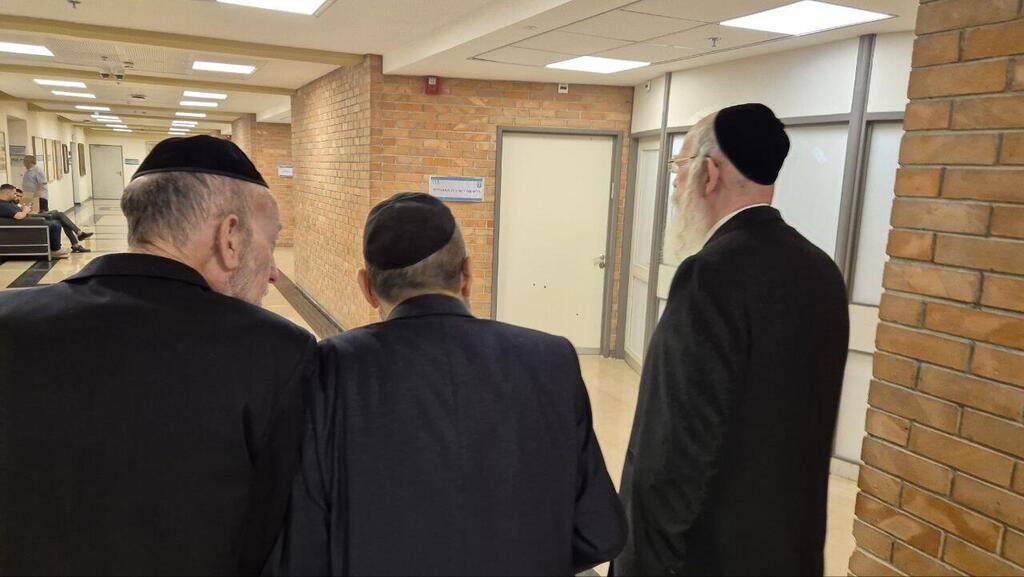
Edelstein’s spokesperson, Maayan Simon, said: “We welcome any initiative and any path toward advancing the draft law—but any framework or document discussed outside Yuli’s office will be brought to us for review. Once we receive a proposal, we’ll examine it and decide what, if anything, to adopt. The law will be fair and effective. Nothing else is on the table.”
No final agreement has yet been reached, and the main sticking point remains the enforcement measures—sanctions designed to give the law real teeth by compelling the enlistment of thousands of ultra-Orthodox men. Within the coalition, skepticism is growing about the law’s chances of passage, with sources warning of an impending breakdown in talks.
Initially opposed to some of the proposed penalties, Haredi lawmakers have now accepted key enforcement mechanisms. Among them: if enlistment targets are not met, sanctions would take effect immediately without a grace period. From day one, draft evaders would face the suspension of their driver's licenses and restrictions on leaving the country, with a special committee set up to review exceptional cases.
Get the Ynetnews app on your smartphone: Google Play: https://bit.ly/4eJ37pE | Apple App Store: https://bit.ly/3ZL7iNv
Under the agreed principles, Haredi parties also accepted the cancellation of academic subsidies for draft dodgers, along with the removal of employment-related affirmative action for those not serving. Contrary to Edelstein's original proposal, however, additional economic penalties—such as exclusion from subsidized housing lotteries, municipal tax breaks and social security benefits for Torah students—would only take effect one year after continued failure to meet draft quotas.
Regarding daycare subsidies, once the law passes, all eligible families would receive 25% of the total assistance. A review will be conducted six months later. If the Haredi community meets enlistment targets, the subsidy would increase to 50%. If not, it would remain at 25%. A year after the law’s passage, full compliance would entitle Haredi families to 100% of the daycare subsidy.
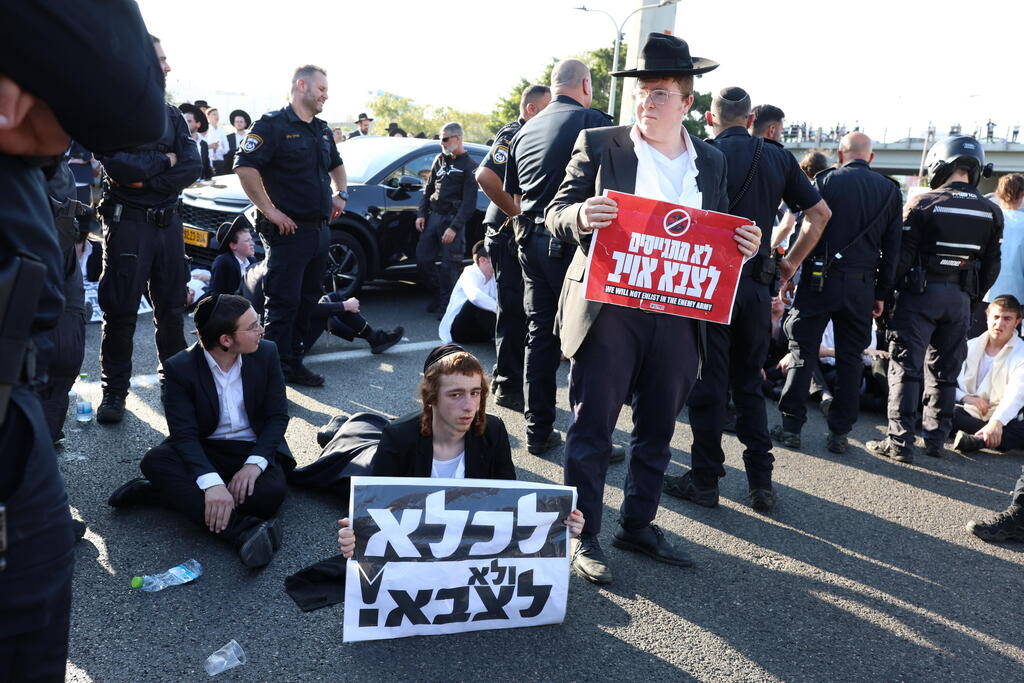
Haredim protest against the IDF draft in Bnei Brak
(Photo: Shaul Golan)
Meanwhile, Knesset Legal Adviser Sagit Afik insists the law must include an active sanctions mechanism throughout its implementation to ensure effectiveness. Coordinating with the legal adviser of the Foreign Affairs and Defense Committee, Afik demands that enlistment quotas be set based on military needs and include both individual and institutional sanctions.
Afik met Tuesday with Haredi representatives, coalition whip Ofir Katz and Cabinet Secretary Yossi Fuchs to assess how far the legal system can go in defending the proposed legislation before the High Court.
The draft bill has become one of the most contentious issues threatening the stability of Prime Minister Benjamin Netanyahu’s coalition. Ultra-Orthodox parties, key members of the ruling bloc, have long resisted efforts to impose mandatory military service on yeshiva students, arguing that Torah study is a national value equivalent to army service.
With a High Court deadline looming and the current exemption framework ruled unconstitutional, the government faces mounting pressure to pass new legislation. Haredi leaders have warned that without a viable solution protecting full-time Torah scholars from conscription, they will withdraw from the coalition—a move that could collapse the government and trigger new elections. The political stakes are high, as both secular and religious factions dig in amid deep divisions over equality, national duty and the future of the IDF.