

After three years of war and evacuation, Metula is choosing not simply to reopen its local school and return to the education system it had before. Instead, the northern border town is launching what it calls the “Whole Education” model, a new approach centered on small classes of just eight to 10 students, close coordination among education teams and a commitment to treating each child as an individual.
The model will be introduced at the start of the school year at HaNadiv School, as Metula continues rebuilding the community and bringing residents home.
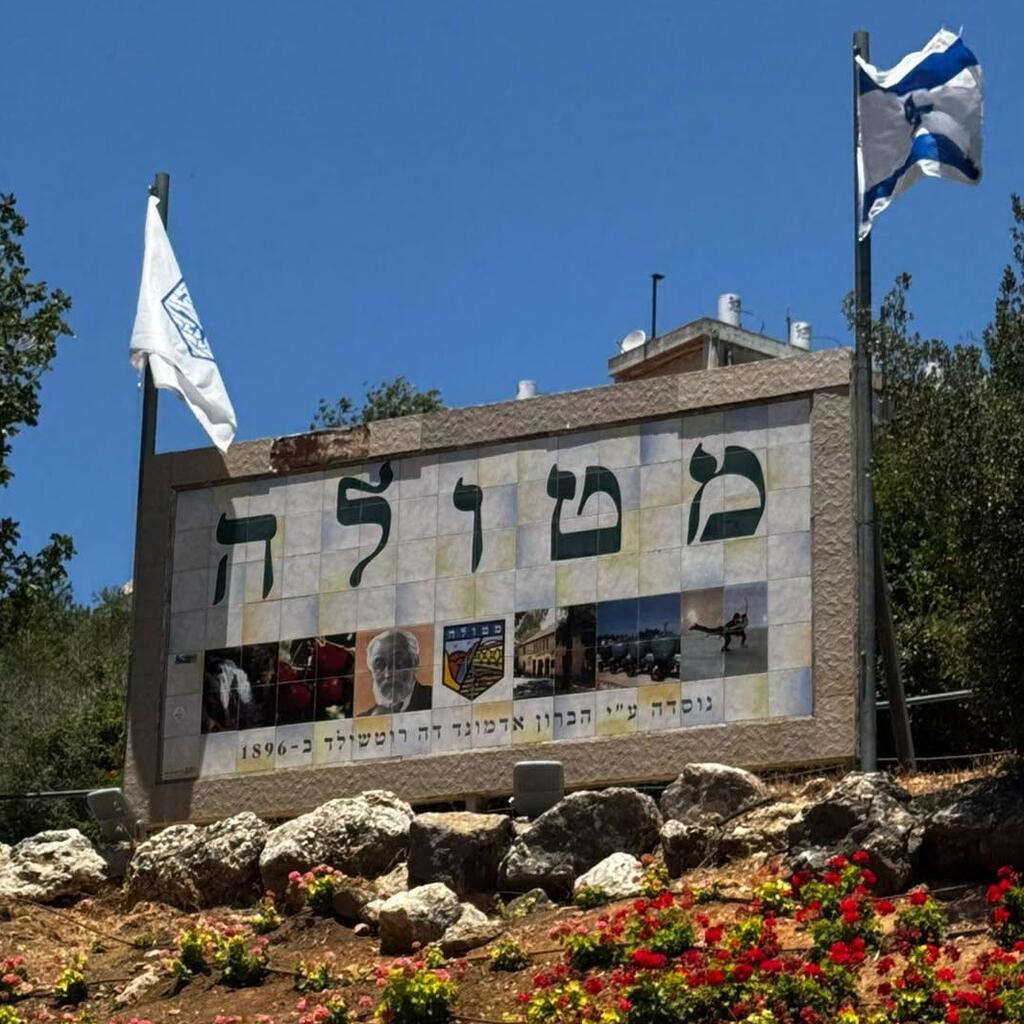
Local officials say the initiative grew out of a broader question facing the town after years of displacement: not only how many homes, roads and public buildings can be restored, but what kind of future should be built for the children returning to them.
Rather than relying on large classes and a system in which children move between teachers, enrichment activities and informal education programs with limited coordination, Metula says its new model is designed to create a continuous educational framework throughout the day.
Each grade will have about eight to 10 students. Formal and informal education teams will remain in regular contact, with information shared throughout the day in an effort to provide a fuller picture of each child’s academic, emotional and social needs.
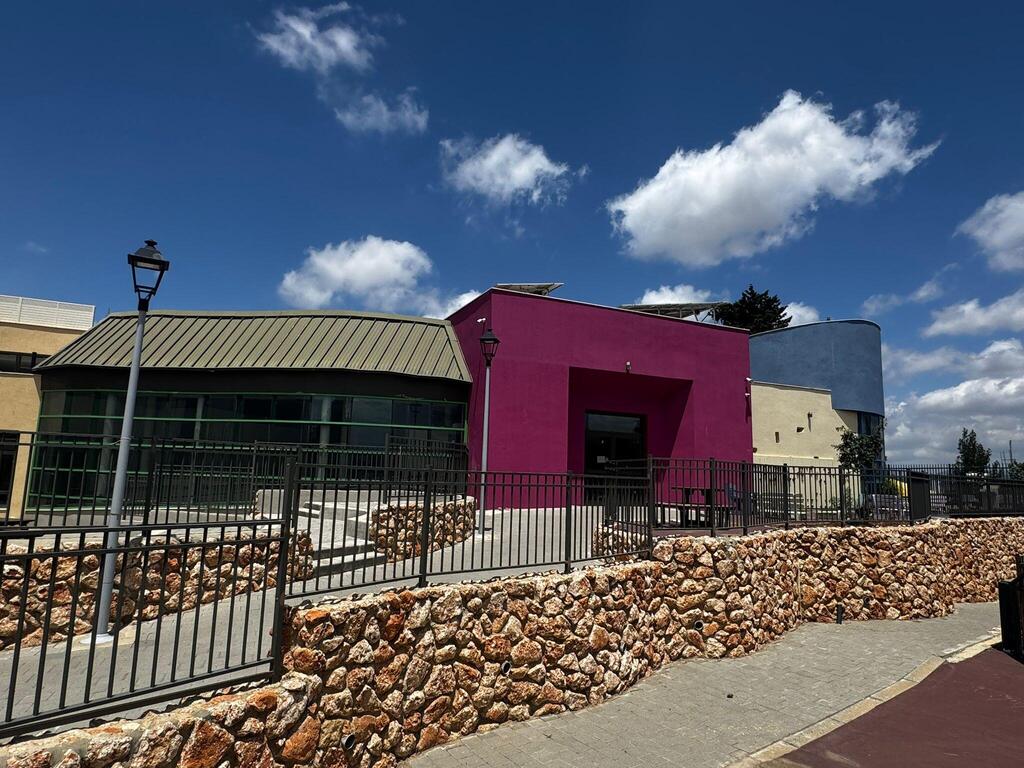
HaNadiv School, Metula. New Education model
(Photo: PR)
The aim, according to the local council, is to enable teachers and staff to know every student closely, tailor learning and emotional support to individual needs and maintain ongoing communication with parents, who will also be involved in the process.
Alongside academic achievement, the program will emphasize personal development, values, emotional resilience, social responsibility and a sense of belonging.
The Metula Local Council said it recently completed recruitment of the educational staff and preparations for the coming school year. Officials said the council received numerous applications from educators and selected those considered most suitable for the new program.
The team will work under an approach that views education as a comprehensive process extending beyond grades and academic performance to the development of individuals, community and future leadership.
“When you rebuild a community after a war, you can choose to return to what existed before,” said David Azoulay, head of the Metula Council. “But we chose to build something new, bigger and better. We decided that our greatest investment would be in our children.”
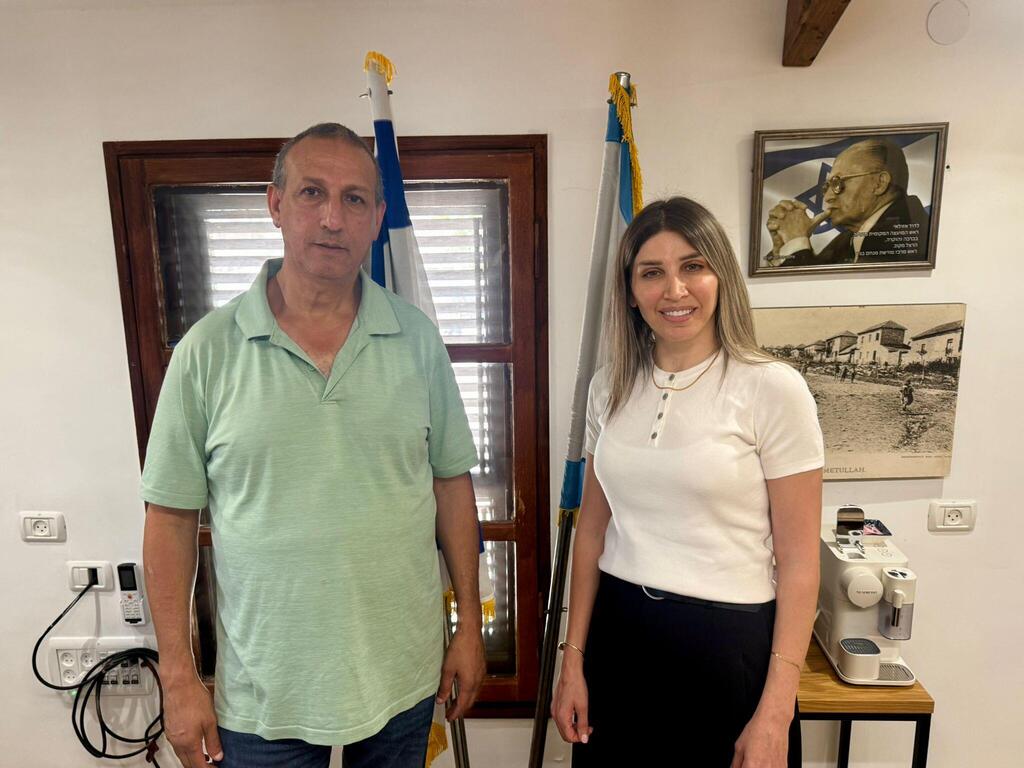
David Azoulay, head of the Metula Council (left) and education director
(Photo: PR)
“‘Whole Education’ is not a curriculum, but a worldview that the town will operate by,” he added. “We want every child to feel that they are seen, that people believe in them and that they have a place to grow, dream, succeed and fulfill themselves.”
Azoulay said the new education system is intended not only for Metula residents returning home but also for families across the Galilee seeking a smaller and more personalized educational framework.
“There are places where the school adapts the child to the system,” he said. “We believe that in the current era, the system should adapt itself to the child. That is the revolution we are seeking to lead.”
In Metula, officials describe the completion of staff recruitment and preparations for the new school year as one of the most significant stages in restoring normal life to the town.
For the local council, the principle behind the project is that genuine recovery does not begin only with roads, sidewalks or renovated public buildings. It begins with the community itself, with the first classroom that reopens, the teacher welcoming children at the school entrance and a town choosing to rebuild its future, one child at a time.