

U.S. President Donald Trump said Wednesday that Iran had asked the United States for a ceasefire, tying any pause in the fighting to the reopening of the Strait of Hormuz, as the monthlong U.S.-Israeli war with Iran continued to rattle energy markets and cloud already-fragile diplomacy.
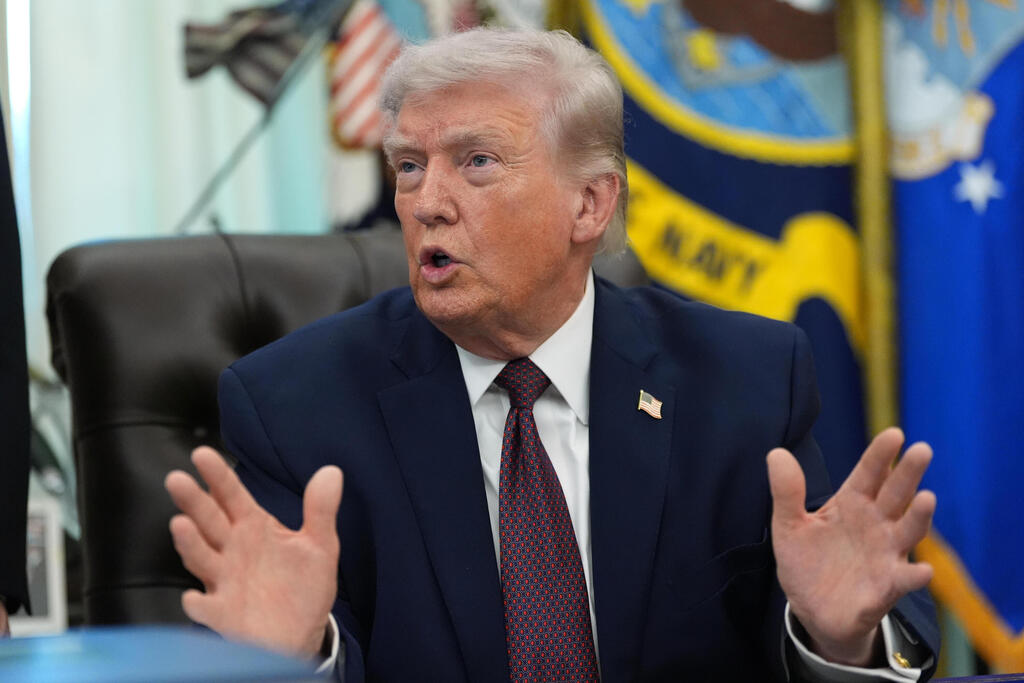
"Iran’s New Regime President, much less Radicalized and far more intelligent than his predecessors, has just asked the United States of America for a CEASEFIRE!" Trump wrote on Truth Social. "We will consider when Hormuz Strait is open, free, and clear. Until then, we are blasting Iran into oblivion or, as they say, back to the Stone Ages!!!"
It was not immediately clear whom Trump meant by Iran’s “new regime president,” since President Masoud Pezeshkian has held the post since before the war and has not been reported harmed in the war.
Trump’s remarks came as diplomacy remained murky. Tehran has at times publicly denied negotiations even as Washington has said indirect contacts were underway.
Trump’s claim was immediately disputed by Iran. Foreign Minister Abbas Araghchi said Tehran had not responded to U.S. proposals and had offered no conditions or counterproposals. He said messages are exchanged routinely, including directly from U.S. envoy Steve Witkoff, but said that did not amount to negotiations.
Washington sent Tehran a 15-point proposal through intermediaries, while Iran has said it is reviewing U.S. ideas even as senior Iranian officials have publicly rejected direct talks or questioned whether any real negotiations are taking place. Trump has alternated between threatening wider attacks and expressing optimism that a deal could still be reached.
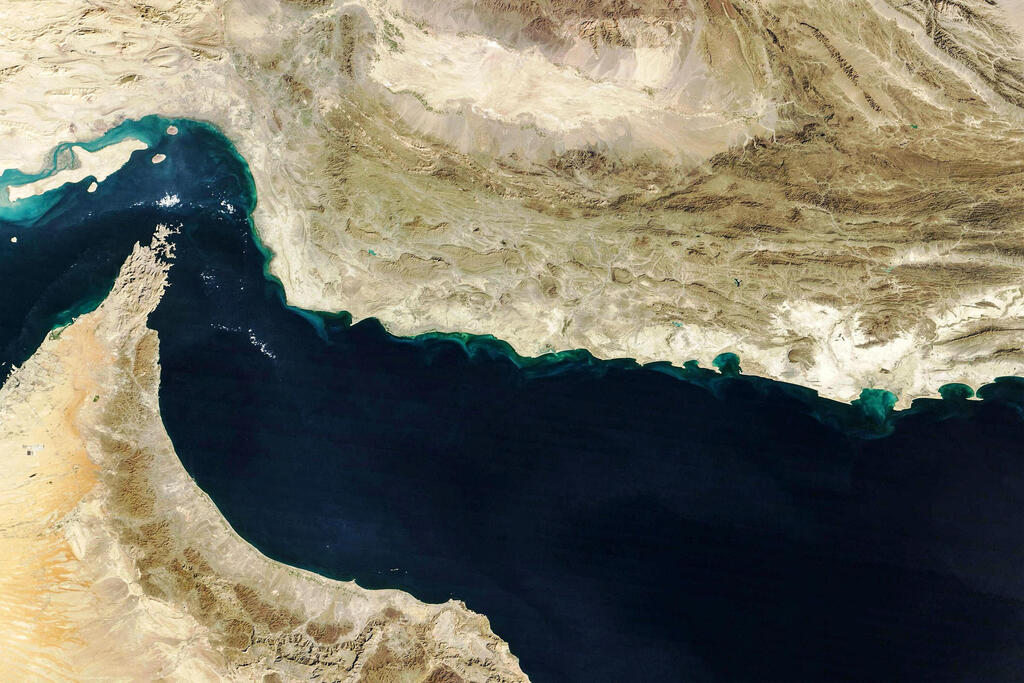
The Strait of Hormuz
(Photo: AFP PHOTO / NASA)
Trump’s latest comments appeared to boost hopes of a possible de-escalation, at least temporarily. Global markets rallied Wednesday and oil prices fell as investors bet the war could move toward an end, though analysts warned that any settlement leaving the status of Hormuz unresolved could keep energy prices elevated. The war has sent financial markets swinging sharply as traders focus on whether ships can move safely through the strait again.
The International Energy Agency said this week that it sees Middle East supply disruptions worsening in April, with more than 12 million barrels already lost and further losses expected as the Hormuz closure and damage to regional energy infrastructure tighten supplies. Gasoline prices have risen largely because the war has effectively shut the waterway off Iran’s coast, disrupting a vital route for oil and gas exports from the Persian Gulf.
While the White House has projected confidence that Iran is under pressure, both sides are still far apart on terms for ending the fighting, reopening the strait and addressing Tehran’s nuclear program.