


A devastating Israeli strike on Evin Prison in Tehran during Operation Rising Lion—carried out just one day before a ceasefire was set to take effect—left at least 71 people dead, according to Iranian officials.
Among the victims was the facility’s chief prosecutor, known for overseeing high-profile trials of regime opponents. Satellite images analyzed by The Washington Post on Sunday reveal extensive damage, while eyewitnesses described scenes of chaos and horror, including bodies scattered during visiting hours.
Footage of Evin prison after Israeli strike
(Video: AP)


Coordinated airstrikes hit multiple prison wings
The attack occurred around midday on a seemingly ordinary summer Tuesday in Tehran. A series of explosions shook the Evin prison complex, a longtime symbol of the Islamic Republic’s authoritarian rule.
A former inmate who happened to be nearby told The Washington Post that he “dreamed that he might one day see the prison gates come crashing down, but what he found that day was nightmarish. Everything was rubble,” he added. “It was really like complete chaos and apocalypse.”
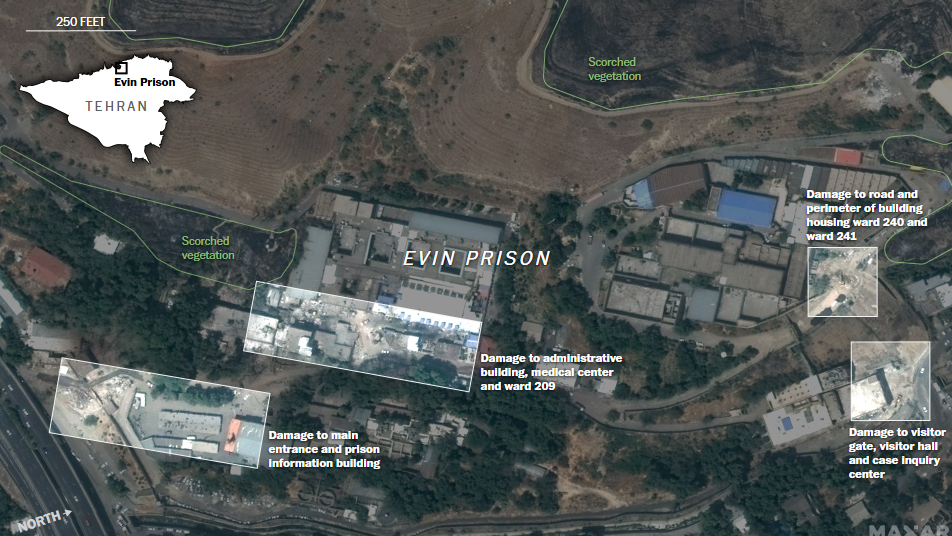
The satellite images from Maxar Technologies show destruction across four different areas of the prison compound, with impacted buildings located up to 600 meters (about 1,970 feet) apart.
These included the administrative wing, the prisoner visitation zone, the medical clinic and the isolation block of Ward 209—run by Iran’s Intelligence Ministry and often used to hold political prisoners and high-value detainees, typically blindfolded while being moved.
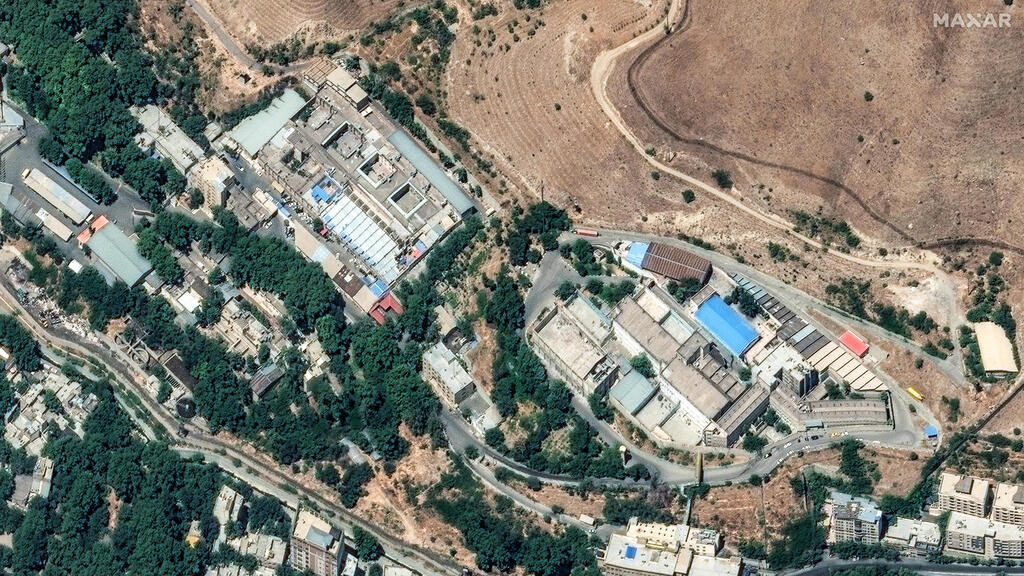
Satellite image of strike zones at Evin Prison
(Photo: Maxar Technologies/Handout via REUTERS)
Experts consulted by the outlet concluded the damage suggests four to six precision strikes rather than a single blast. “Based on the locations [of the damage], it appears there must have been at least four separate munitions, as nothing that was hit would seem volatile enough to cause damage to spread elsewhere,” said military intelligence analyst Sean O’Connor.
Another expert, William Goodhind, said the strikes appeared to target entry gates in the north and south of the compound and key staff facilities—suggesting the use of precision-guided munitions rather than area bombing.
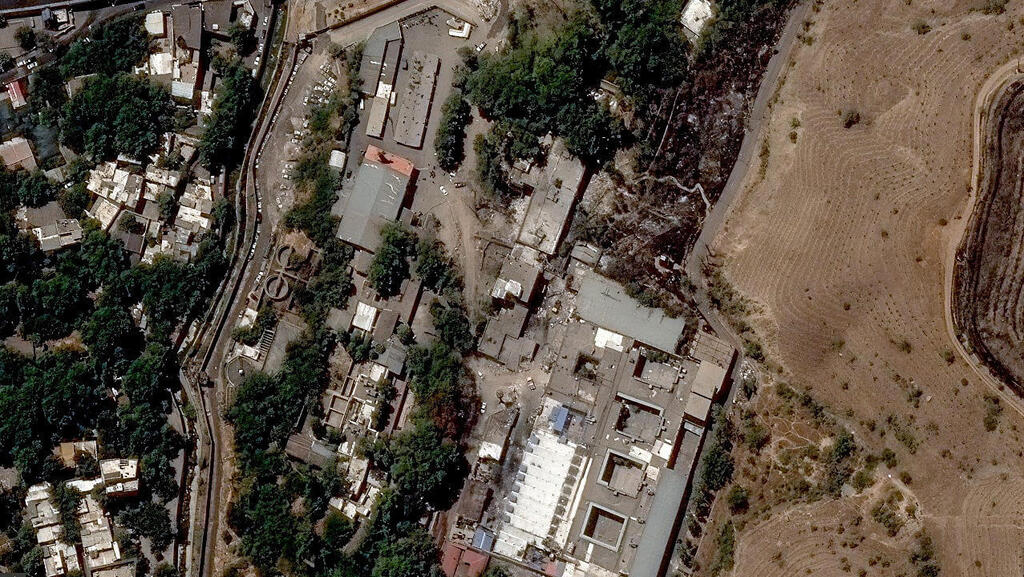
Satellite image of strike zones at Evin Prison
(Photo: Maxar Technologies/Handout via REUTERS)
IDF spokesperson Brig. Gen. Ephraim Defrin said the site was being used for “intelligence operations against Israel, including counter-espionage,” and emphasized that the strike was carried out with “maximum precision to minimize harm to imprisoned civilians.”
The administrative building was completely destroyed, the clinic was heavily damaged and much of the surrounding vegetation—about 60 dunams (roughly 15 acres)—was incinerated. One of the casualties was a doctor working at the prison, along with a social worker and her 5-year-old son.
Civilian casualties and eyewitness accounts
Iranian authorities reported that among the 71 dead were 43 prison staff, two regular soldiers and four civilians unaffiliated with the prison—including two children. One of the most prominent victims was Ali Ghanatkar, Evin’s chief prosecutor, known for leading trials against political dissidents.
Located at the foot of the Alborz mountains in northern Tehran, Evin Prison has served for over four decades as the Iranian regime’s main detention center for journalists, foreign academics, diplomats and political opponents. Notable past detainees include Nobel Peace Prize laureate Narges Mohammadi and Washington Post journalist Jason Rezaian, who was held there for 18 months.
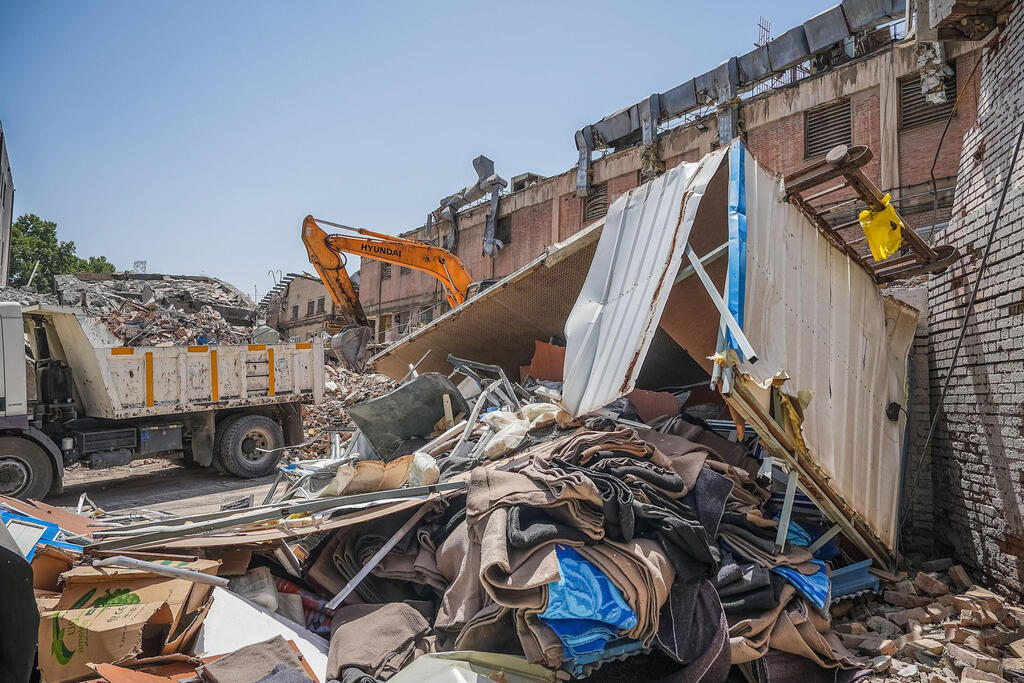
Destruction inside Evin Prison following the strike
(Photo: Mostafa Roudaki / MIZANONLINE / AFP)
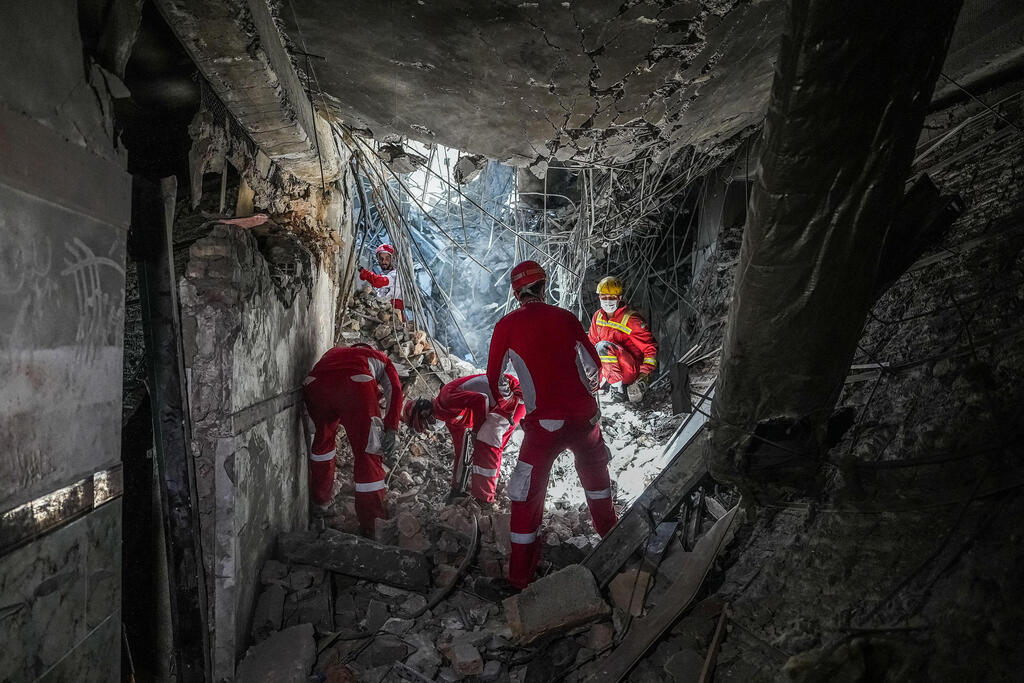
Destruction inside Evin Prison following the strike
(Photo: Mostafa Roudaki / MIZANONLINE / AFP)
The strike reportedly occurred during designated visitation hours at the northern entrance, where civilians had arrived to see relatives. According to witnesses, guards opened fire on prisoners trying to flee the chaos.
Get the Ynetnews app on your smartphone: Google Play: https://bit.ly/4eJ37pE | Apple App Store: https://bit.ly/3ZL7iNv
“I saw many dead bodies lying on the ground,” he said. “No one had come yet to cover them or to confirm if they were dead.” one witness told the outlet. He said he carried bodies and rescued the wounded from the rubble.
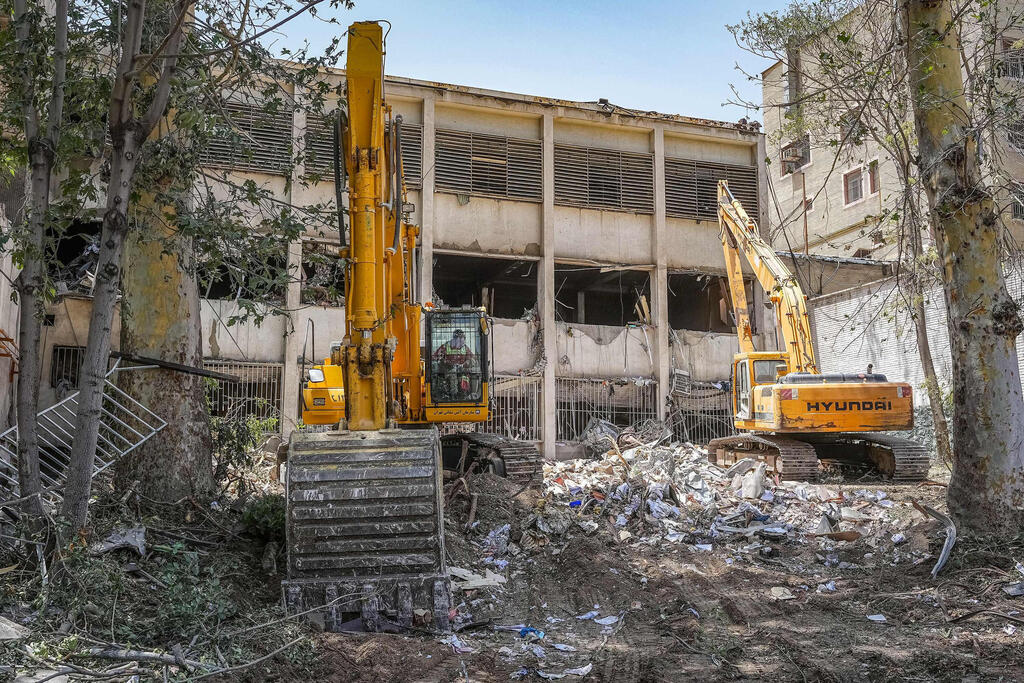
Destruction inside Evin Prison following the strike
(Photo: Mostafa Roudaki / MIZANONLINE / AFP)
One harrowing scene involved a man who had come with his daughter to deliver a document related to a relative’s release. After the blast, he tried for two hours to resuscitate his daughter. “For about two hours, her father was trying CPR,” he said. “Nothing happened and she died.”
Artist killed, prisoners relocated in harsh conditions
Among the dead was 61-year-old artist Mehrangiz Imanpour, who was struck by debris near the prison gate. Security cameras recorded her leaving her home shortly before 11 a.m. to pay a repairman—just under an hour before the strike.
Her body was found two days later near the visitation gate. A relative described her as an independent, generous and talented painter. “There aren’t enough kind words to describe her,” they said.
Footage of Evin prison after Israeli strike
In the aftermath, many prisoners were relocated under dire conditions. Reports indicate that more than 120 men are now held in a hall originally intended for 30 to 40 inmates. Women who remained at Evin the night of the attack were forced to clean up the rubble under the supervision of armed guards pointing rifles at them. They were later transferred to Qarchak Prison, infamous for poor hygiene, contaminated water and a severe shortage of basic services.
“There were guards everywhere, pointing guns at their heads, and no water, no gas, no telephone access,” said a former inmate who contacted some of the women. “Families were extremely worried.” That same inmate rushed to the scene immediately after the strike and said prisoners are the most vulnerable in such events: “Who knows what will happen next.”