

Despite the challenges of the Iron Swords war, Soroka Medical Center led patient‑satisfaction scores among tertiary hospitals, according to a new survey released today by the Ministry of Health. The survey, conducted from November 2024 through March 2025, covered 11,553 respondents — 57 percent male, 43 percent female — and more than half aged 65 and over. The survey was completed before an Iranian missile struck the facility in June.
Nationally, the overall satisfaction score stood at 82 percent, indicating a generally positive inpatient experience. Among hospital size categories: Soroka, part of the Clalit Health Services group, scored 85 percent and led major medical centers; Meir Medical Center achieved 84 percent among large hospitals; Carmel Medical Center registered 85 percent among mid‑sized hospitals; and Laniado Hospital topped small hospitals with 88 percent.

Soroka’s director, Prof. Shlomi Kodesh, praised the hospital staff, calling them “players of the soul,” noting that despite working around the clock under fire and treating thousands of wounded from both the front and home‑front, the team maintained the same deep human commitment and professional care.
Survey data also revealed lower scores at several hospitals: among full survey participants, Tzafon Medical Center (Poriya) scored 74 percent, Hillel Yaffe Medical Center 75 percent and Hadassah Ein Kerem Hospital 83 percent (combined with its Mount Scopus branch). Hospitals such as Sheba Medical Center, Ichilov Hospital and Beilinson Hospital posted scores of 83 percent among tertiary centers, above the national average. Shaare Zedek Medical Center in Jerusalem matched the national score at 82 percent.
Notably, smaller hospitals tended to score higher in patient satisfaction — possibly reflecting a greater sense of personal attention and quicker staff availability.
Internal‑medicine wards lagged behind surgical and other departments. For example, at Galilee Medical Center in Nahariya the internal‑medicine ward scored just 69 percent compared with 88 percent for other departments at the same hospital. Similar lower figures were recorded in the internal wards of Wolfson Medical Center, Hillel Yaffe and Barzilai University Medical Center, with satisfaction rates of 72 percent, 69 percent and 71 percent, respectively.
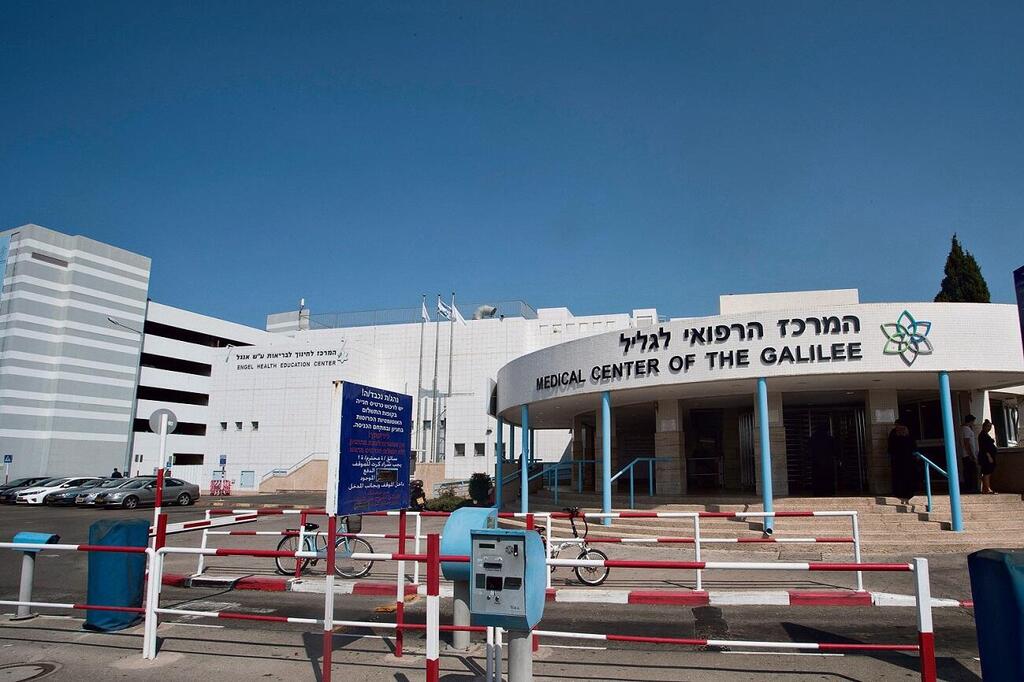
Galilee Medical Center in Nahariya
(Photo: Gil Nehushtan)
The survey covered adult inpatients (18 and older) who stayed at least two nights. Seven percent reported being treated in corridors. The majority (89 percent) responded personally, while 11 percent of responses came from companions if the patient could not answer. Interviews were conducted by phone up to 14 days after discharge. Departments surveyed included internal medicine, surgery and other wards such as urology, thoracic‑cardiac surgery, burns, ENT and ophthalmology, but excluded psychiatry and emergency medicine, as well as maternity, pediatric, ICU, rehabilitation, women’s wards and day hospitalization.
Survey variables included staff‑patient relations (28 percent of total score), effort to meet requests (9 percent), physical conditions and environment (12 percent), information received about the medical condition and after‑discharge care (16 percent), discharge process (5 percent) and overall feeling of being “in good hands” (about 30 percent). Among these, the “in good hands” metric scored highest nationally at 86 percent, followed by staff relations at 84 percent, discharge process at 83 percent, effort to meet needs at 78 percent and physical‑condition environment at 76 percent. The ministry noted the results suggest human and professional connection drives patient experience more than physical conditions.
(Photo: Shutterstock)
The survey found younger patients, non‑native Hebrew speakers and those treated in corridors reported lower satisfaction. Corridor inpatients rated satisfaction at 67 percent versus 83 percent for room patients. Companions reported lower satisfaction than patients (74 percent vs. 82 percent).
This is the fifth such survey by the ministry, with prior rounds dating back to 2014 and the last one in 2021. The ministry said the current version introduced new open‑ended questions analyzed by AI. A dashboard provided participating hospitals with real‑time raw data.
Dr. Sefi Mendelovich, deputy director‑general at the ministry, emphasized the central role of patient experience in the health‑care system’s vision, saying the healing process includes service experience. He added that despite the war, “we did not cut hospitals any slack, and the results made us proud.”
First published: 00:47, 11.05.25