

Authorities in Indonesia’s Aceh province, a devoutly Muslim region governed by Sharia law, held a disturbing public flogging on Thursday in which two women and two men each received 100 lashes for having extramarital sex. Some members of the crowd, which included children, shouted “Harder!” as the cane repeatedly struck their backs.
Four other people were each given 22 lashes during the same event for the lesser offense of “physical intimacy,” which can include hugging and kissing. Two others received seven lashes each for getting too close to one another, an offense that can include holding hands. One man received 20 lashes for consuming alcohol.
Gallery

An Islamic enforcement officer canes one of the women Thursday in Aceh
(Photo: CHAIDEER MAHYUDDIN / AFP)
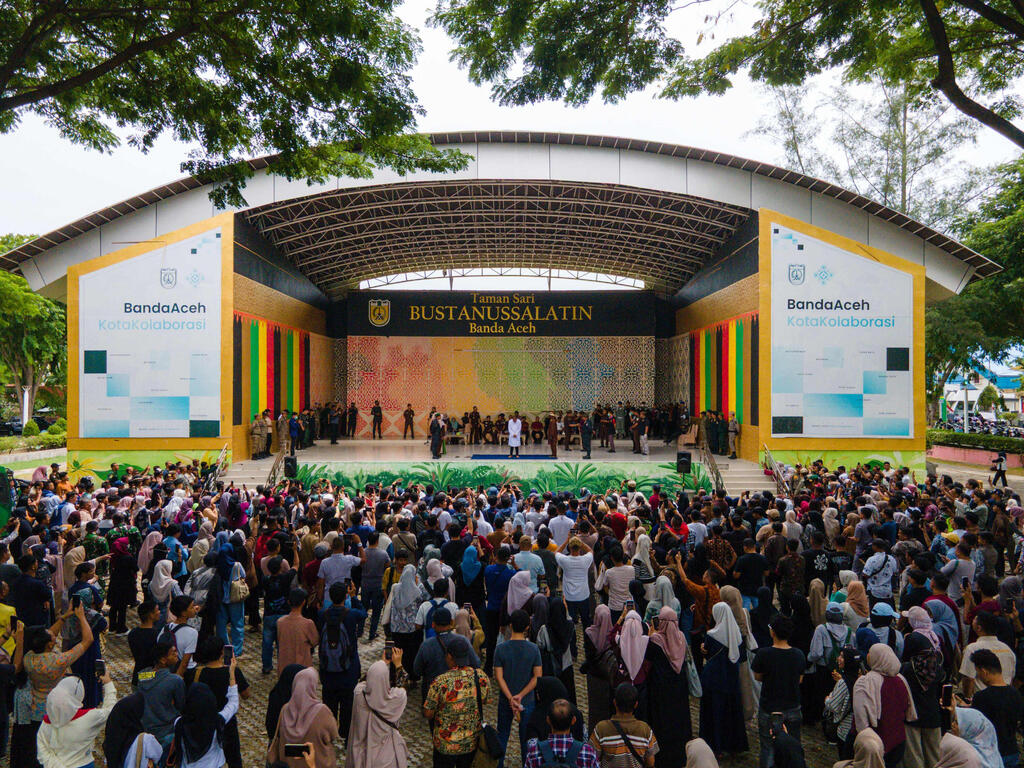
Spectators at the caning site. Some also shouted encouragement
(Photo: CHAIDEER MAHYUDDIN / AFP)
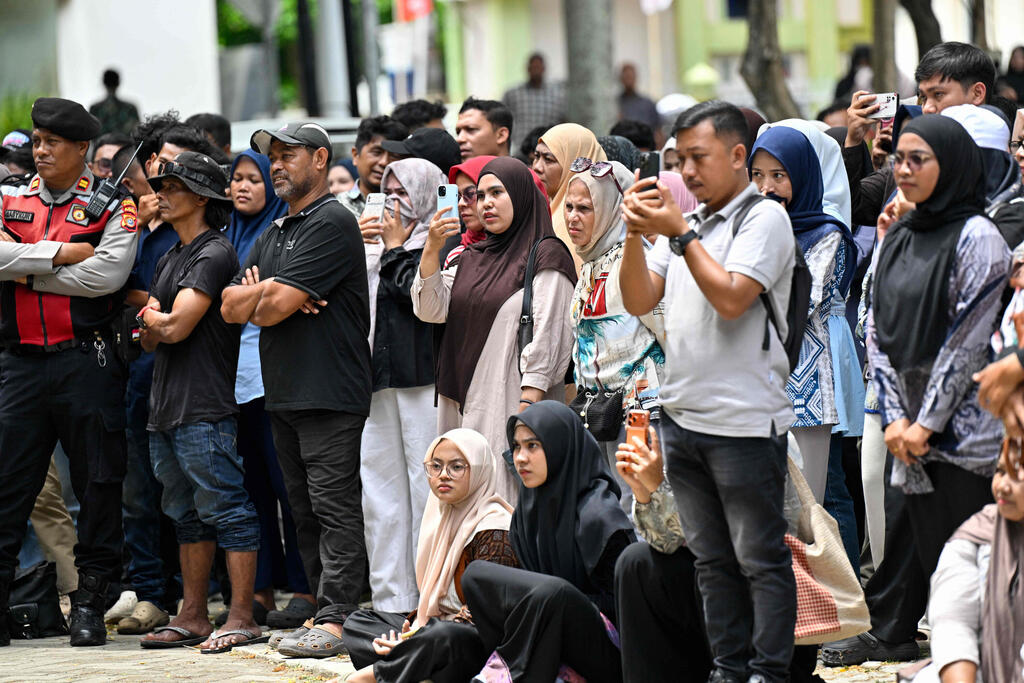
Widespread support for the caning. The crowd films the event on their phones
(Photo: CHAIDEER MAHYUDDIN / AFP)

All of these acts are considered offenses in Aceh, a province that was granted special autonomy by Indonesia, the world’s most populous Muslim-majority country, under a 2005 peace agreement. The agreement ended a 30-year separatist insurgency in the province.
Aceh is the only province in Indonesia governed by Sharia law, Islamic religious law. Sharia has been enforced there since 2002, with enforcement expanded further in 2015 to also apply to non-Muslims, who make up about 1% of the province’s population.

Islamic enforcement officers speak moments before caning one of the women Thursday
(Photo: CHAIDEER MAHYUDDIN / AFP)
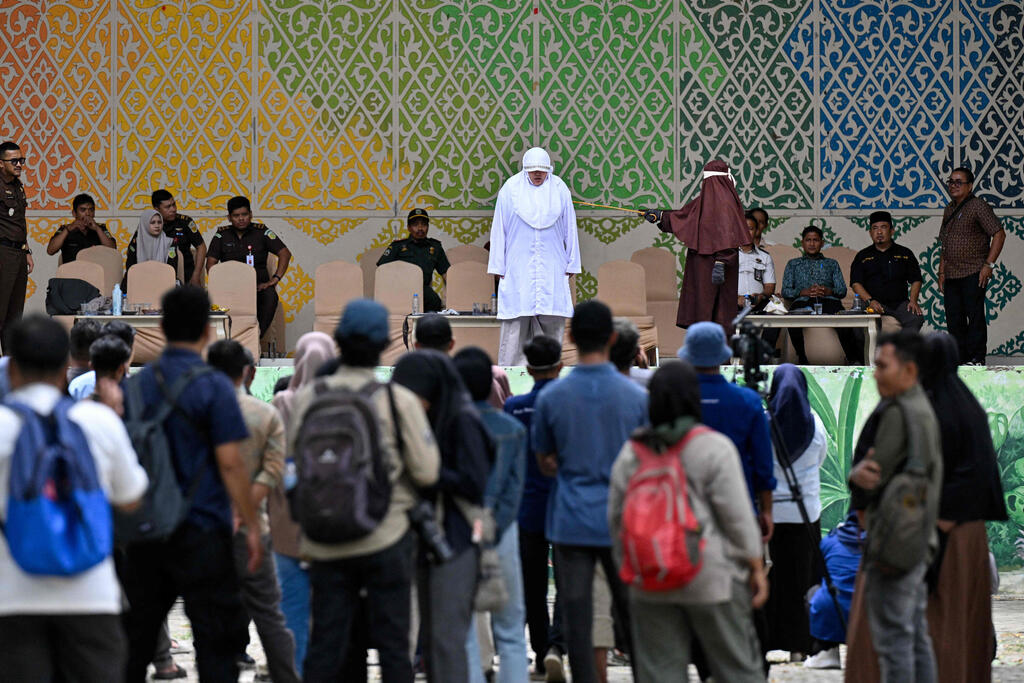
Spectators watch as a woman prepares to receive her punishment Thursday in Aceh
(Photo: CHAIDEER MAHYUDDIN / AFP)

The crowd at the caning. 'It is completely justified and educates the public'
(Photo: CHAIDEER MAHYUDDIN / AFP)
Flogging is not a legal form of punishment in Indonesia as a whole, but in the autonomous province of Aceh it enjoys broad support as a penalty for a range of “moral offenses,” including adultery, same-sex relations, gambling and alcohol consumption. Flogging can also be imposed for wearing tight clothing or for men failing to attend Friday prayers.
Just last month, a young couple in Aceh each received 21 lashes for kissing during a TikTok livestream while unmarried. Eini Nadira, a 22-year-old resident of Banda Aceh who witnessed the flogging of the couple, aged 22 and 25, appeared to approve of the punishment.
“I think this flogging is completely justified because it serves as a warning to other residents in Aceh to be more careful when using social media,” she said. “It also raises awareness that such acts are unacceptable and therefore educates the public.”