

Iranian security agents arrived at 2 a.m., pulling up in about half a dozen cars outside the home of the Nakhii family. They woke the sisters, Nyusha, 37, and Mona, 25, forced them to hand over the passwords to their phones and took them away.
The January 16 arrest came a week after the sisters took part in nationwide protests that shook the Islamic Republic, a friend told The Associated Press, speaking on condition of anonymity for fear of reprisals.
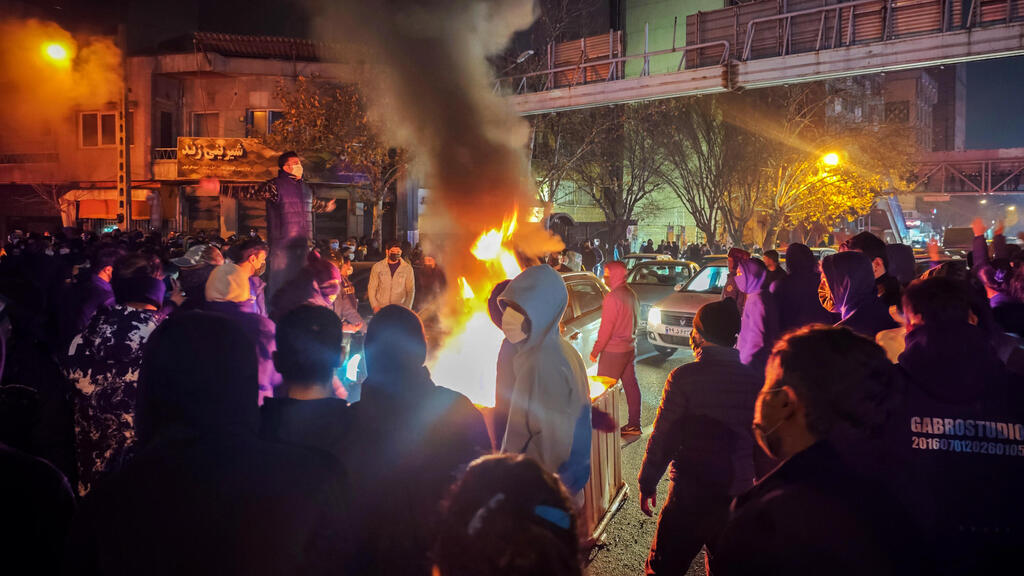
Such arrests have continued for weeks following a sweeping crackdown that crushed demonstrations calling for an end to Iran’s theocratic rule. Reports of raids on homes and workplaces have emerged from major cities and rural towns alike, reflecting what activists describe as a broad dragnet across Iranian society.
University students, doctors, lawyers, teachers, actors, business owners, athletes and filmmakers have been detained, along with reformist figures seen as close to President Masoud Pezeshkian. Many detainees are held incommunicado for days or weeks, denied contact with family members or lawyers, according to activists monitoring the arrests. Relatives often search desperately for news of their loved ones.
The U.S.-based Human Rights Activists News Agency says more than 50,000 people were arrested during the crackdown. The AP has not independently verified that figure. Tracking detainees has been difficult after authorities imposed internet blackouts during the unrest.
Shiva Nazarahari, an organizer with the Committee for Monitoring the Status of Detained Protesters, said authorities continue to identify participants and detain them. The committee has so far verified the names of more than 2,200 detainees, including 107 university students, 82 minors as young as 13, 19 lawyers and 106 doctors.
Authorities have reportedly reviewed municipal street cameras, store surveillance footage and drone video to identify demonstrators and track them to their homes or workplaces.
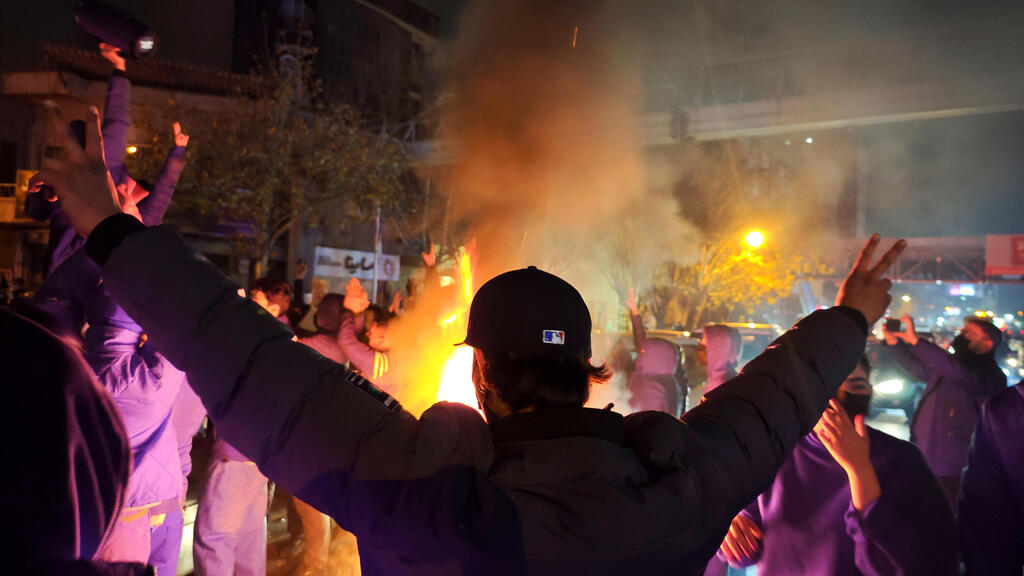
(Photo: Anonymous/Getty Images)
Held for weeks without contact
The protests began in late December, fueled by anger over soaring prices and a collapsing currency. They spread rapidly nationwide, peaking on January 8 and 9, when hundreds of thousands rallied in more than 190 cities and towns.
Security forces responded with what activists described as unprecedented violence. The Human Rights Activists News Agency says more than 7,000 people were killed, though it acknowledges the true toll may be higher. On January 21, the Iranian government issued its only official figure, saying 3,117 people had died. In previous unrest, authorities have been accused of undercounting fatalities or not reporting them at all.
Gholamhossein Mohseni Ejehi, the head of Iran’s judiciary, labeled protesters “terrorists” and called for expedited trials.
“Detentions have been very widespread. It feels like a suffocation of society,” said one protester reached by the AP in Gohardasht, near Tehran. He said two relatives and three of his brother’s friends were killed in the early days of the crackdown, along with several neighbors. He also spoke anonymously out of fear.
The Nakhii sisters were initially taken to Tehran’s Evin Prison, where they were briefly allowed to contact their parents, their friend said. They were later transferred to Qarchak, a women’s prison on the outskirts of Tehran that rights groups have long criticized for overcrowding and poor hygiene.
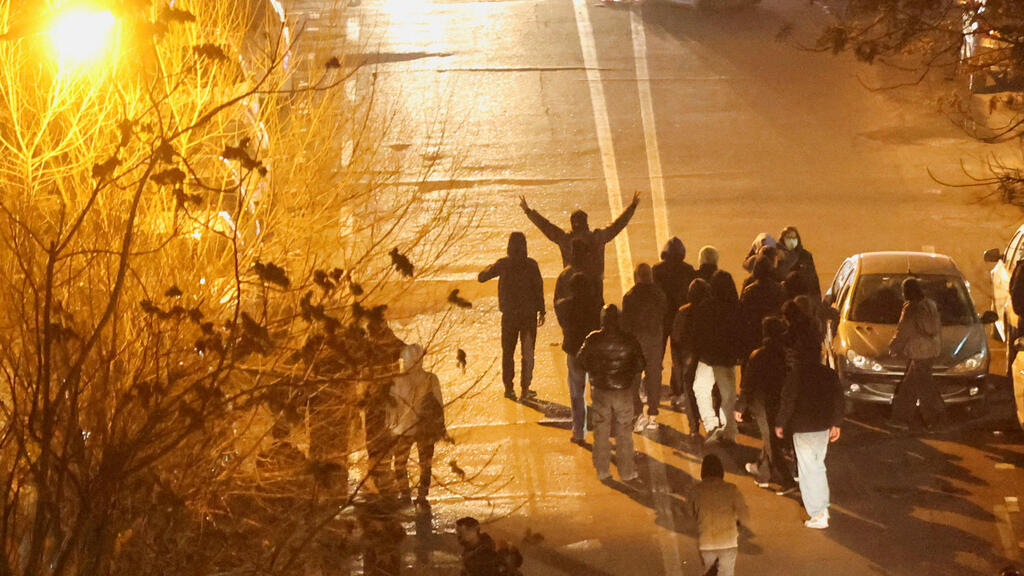
(Photo: Stringer/WANA (West Asia News Agency) via Reuters)
Other detainees have effectively disappeared. The family of Abolfazl Jazbi has not heard from him since his January 15 arrest at a factory in Isfahan. Jazbi suffers from a severe blood disorder requiring medication. Atila Sultanpour, 45, has not been heard from since being taken from his Tehran home on January 29 by security agents who allegedly beat him.
Authorities have also suspended bank accounts, blocked SIM cards and confiscated property belonging to relatives of protesters or those who publicly support them, according to Musa Barzin, a lawyer with Dadban, a group of Iranian attorneys based abroad.
“In the past, authorities sometimes maintained a veneer of due process. Not this time,” Barzin said. “Following the law is in the worst situation it has ever been.”
Defiance and geopolitical pressure
Despite the crackdown, civic groups continue to issue statements of defiance. The Writers’ Association of Iran described the protests as an uprising against “47 years of systemic corruption and discrimination.” Teachers’ organizations have urged families to speak publicly about detained minors.
Mohammad Habibi, a spokesman for a teachers’ council, said the group has documented at least 200 minors killed during the crackdown. “Every day we tell ourselves this is the last list,” he wrote on X. “But the next morning, new names arrive again.”
Anger over the bloodshed compounds economic frustration in a country battered by decades of sanctions, corruption and mismanagement. The national currency has plunged and inflation has reached record highs.
The crackdown unfolds as tensions rise over Iran’s nuclear program and the possibility of U.S. military action. U.S. President Donald Trump has moved military assets, including aircraft carriers, to the Persian Gulf and said he prefers a deal with Tehran but warned it would be “very difficult” to reach.
Asked recently about regime change, Trump said it “may be the best thing that could happen,” while two U.S. officials told Reuters that the military is preparing contingency plans for a prolonged operation should diplomacy fail.
Reza Pahlavi, the exiled son of Iran’s last shah and a prominent opposition figure, called on Trump to support the Iranian people. Speaking at the Munich Security Conference, Pahlavi said, “The Iranian people heard you say that help is on the way and they trust you. Help them. This is the time to bring the Islamic Republic to an end.”
Iran’s clerical establishment has survived past unrest and foreign pressure. Authorities this week organized large pro-government rallies marking the anniversary of the 1979 Islamic Revolution.
Still, Barzin said the ferocity of the crackdown signals something deeper. “For the first time,” he said, “the leadership is afraid of being overthrown.”