


A letter from rabbis published Wednesday reflects growing opposition among some religious leaders to integrating women into the Armored Corps.
In the letter, addressed to Prime Minister Benjamin Netanyahu and also sent to Defense Minister Israel Katz, Finance Minister Bezalel Smotrich and IDF Chief of Staff Lt. Gen. Eyal Zamir, the rabbis request an urgent meeting to prevent what they describe as a looming “disaster” — the integration of female combat soldiers into tank units.
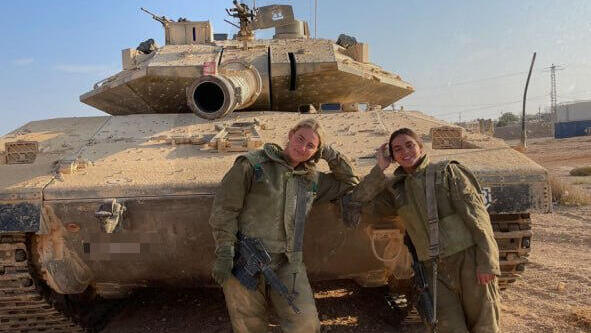
“Turning the corps into a mixed-gender force will place our students before an impossible contradiction,” they wrote. “This move will in practice bar Torah-observant soldiers from contributing to Israel’s security solely because of their way of life, leading to a weakening of the entire combat array and the destruction of the people’s army.”
The rabbis referred to the pilot program for female soldiers in the Armored Corps. The first cohort had been slated to begin in November 2025, but a month later the IDF informed the High Court of Justice that the launch would be postponed to November 2026.
The military cited an exceptional operational burden on the corps during the war, wear and tear on equipment and difficulty allocating dedicated resources for the women’s training, which were diverted to operational needs. Following an inquiry from ynet on Wednesday, the IDF added that short notice also prevented full preparation and training for the female soldiers.
The pilot program, now expected to move forward later this year, is designed to grant equal status to male and female soldiers. Participants will be designated “Armored Corps soldiers,” rather than the previously used feminine term for tank operators. They will receive the corps’ black beret, black boots and the Armored Corps insignia. According to the IDF, multiple bodies are involved in designing the training track, including the Ground Forces, the Medical Corps and the Combat Fitness Department, with the goal of reducing injuries and maintaining a uniform standard.
Tal Sarah Biton enlisted in the first pilot program for female tank soldiers in the Caracal Battalion in November 2021 and was discharged in October 2023. After completing her mandatory service, she was assigned to a reserve unit responsible for evacuating wounded soldiers, as there was no designated reserve framework for women in her role. During the war, she completed more than 200 days of reserve duty.
“I always wanted to be a combat soldier. I’m a Zionist, I love our country and I believe we have to fight for it,” she said.
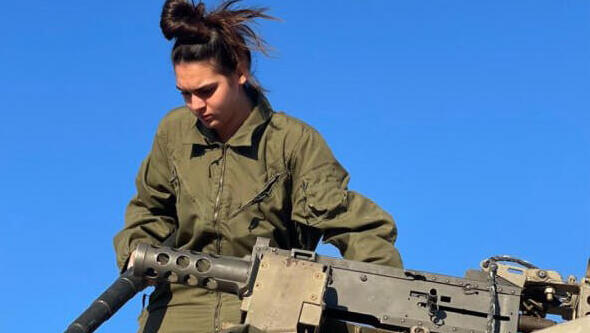
(Photo: Tal Biton)
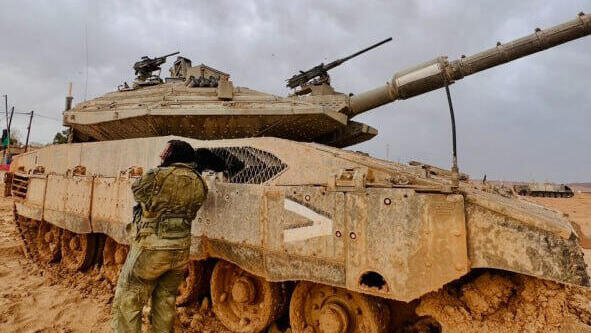
(Photo: Tal Biton)
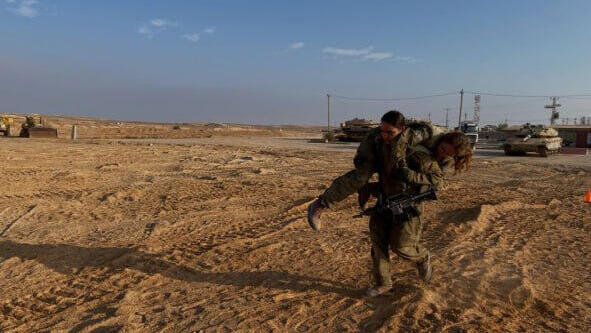
(Photo: Tal Biton)
Reflecting on her regular service, she said: “It was complex. Being a combat soldier in a pilot program is difficult, with a lot of uncertainty. It was new for everyone — the battalion, the commanders and us. It felt like they didn’t know how to manage us. We weren’t with the men at all, including the hesder yeshiva soldiers. We were an all-women tank crew and I served only with women throughout my service. It felt completely right, because the army has to take both sides into account — us as women and them as yeshiva students. This is the people’s army. It has to consider everyone.”
Responding to critics of women serving in combat roles, she said: “Those who speak don’t know. If you don’t believe women can fight, open your eyes and look at reality. I don’t need to prove that this is happening — just look at what women did on October 7. We didn’t come to make headlines. We did our job. We didn’t want articles or applause or a moment of glory. No one was looking to be a hero — we just did our job, just as men, armored soldiers, did theirs.”
Addressing the rabbis’ letter, she added: “Integrating women into the Armored Corps is welcome, it’s amazing and it’s what needs to happen. No one should prevent me from doing what I’m capable of. This approach respects one sector and harms another. The army knows how to handle this very well. Men and women are separated, certainly in the Armored Corps. In my training, for example, I slept in quarters four kilometers from my tank. I walked every morning to find it, while the male soldiers slept in their tanks. We were in distant quarters in live-fire zones, inside a tent.”
As a religious soldier, Biton emphasized that her criticism is directed only at what she described as an extremist stream.
“I’m a religious woman myself — I come from a traditional home and observe Shabbat. Every two weeks I visit Mea Shearim and speak with Haredim because it’s what interests me most. They don’t choose not to enlist because there are women in the army. They don’t want to enlist because they don’t feel connected to the state, which is why some of them can shout, ‘We will die and not enlist.’ But alongside the extremists there is a large Haredi public that enlists and does meaningful service. I’m not generalizing.”