


Israel’s political map began taking clearer shape Monday as parties formally submitted their candidate lists for the next Knesset, with Gadi Eisenkot, Naftali Bennett, Ofer Winter and Itamar Ben Gvir all confirming separate runs.
Representatives of the parties are filing their slates with the Central Elections Committee, chaired by Supreme Court Justice Noam Sohlberg, along with the party names and Hebrew letters they want printed on their ballot slips. The requested symbols are subject to review and are not considered approved upon submission.
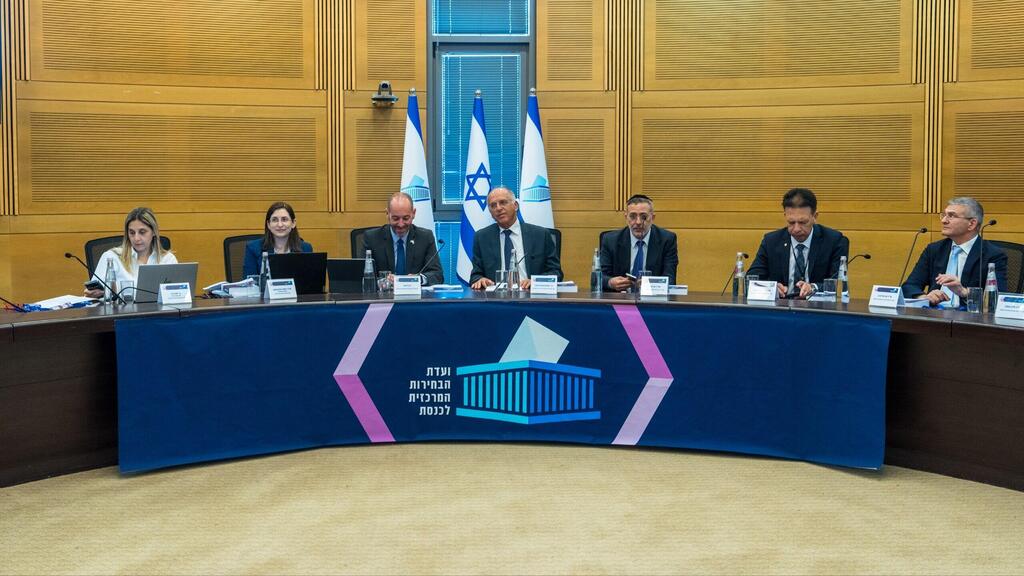
Former prime minister Naftali Bennett’s Beyachad was the first party to submit its list. Representatives Meirav Cohen, Bruria Naim and Jeremy Saltan requested either the Hebrew letter bet (ב) or the combination resh-kuf (רק).
The letter bet has long been associated with the National Religious Party and later religious-Zionist parties. In the previous election, Ayelet Shaked’s Jewish Home ran under the symbol.
“We have an execution-oriented list,” Cohen said. “I hope we can open a new chapter as a nation, and that these four black years will be remembered as the low point from which we only began to rise.”
She said Bennett had examined possible alliances before deciding against a merger for electoral reasons.
Eisenkot unveils Yashar! slate
Former IDF chief of staff Gadi Eisenkot’s Yashar! party also published its slate Monday and submitted the Hebrew letters dalet-resh-kaf (דרך), spelling derech, or “path,” as its requested ballot symbol.
The list is headed by Eisenkot, followed by former Shin Bet chief Yoram Cohen, former minister Orit Farkash-Hacohen, social entrepreneur Adi Altschuler, former minister Matan Kahana and former minister Chili Tropper.
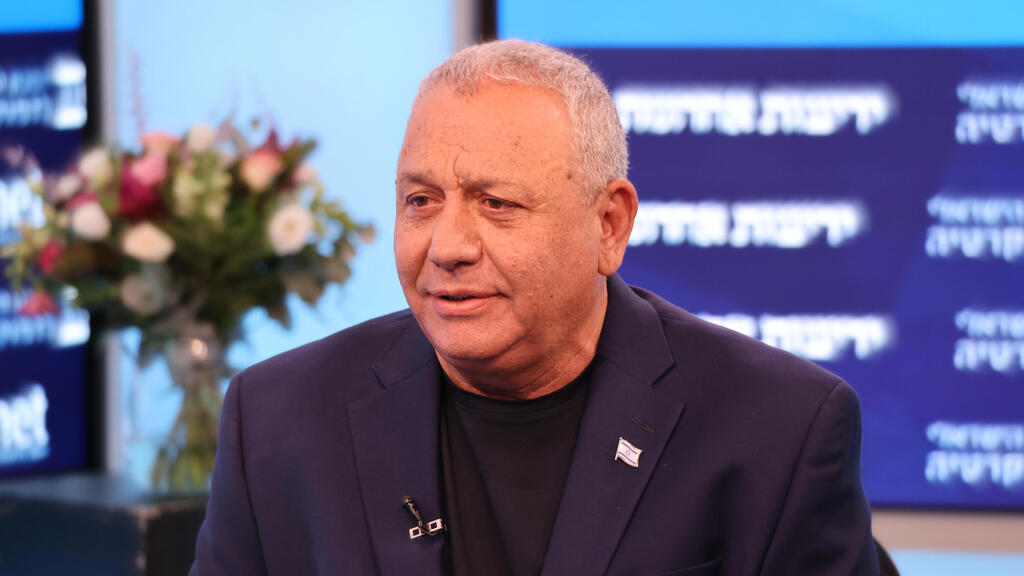
Former IDF chief of staff Gadi Eisenkot
(Photo: Yariv Katz)
Other prominent candidates include former Finance Ministry budget director Shaul Meridor, former minister Elazar Stern and several figures from the public, social and economic sectors.
The slate was formally submitted by Inbar Harush Giti, former CEO of the Aharai! youth organization, and Meridor.
“The choice of the letters ‘derech’ reflects the idea at the heart of Yashar!’s establishment,” the party said. “Against polarization, irresponsibility and the loss of direction, we offer Israel a straight path, a path of statesmanship, responsibility, service, Zionism and unity.”
The party said the coming election would determine “not only who will lead the country, but also which path it will take,” presenting itself as a vehicle for replacing the government, reducing internal divisions and restoring what it described as responsible leadership.
Businessman and social activist Shiral Hogeg of Ofakim, who had initially been expected to join the slate, was ultimately not included.
Hogeg said he had deliberated until the final days but decided to focus on professional work rather than seek an elected position.
“I joined Gadi not for a seat and not for a position,” he said. “I joined because I believe this is the way to fix Israel.”
Winter goes it alone, drawing Smotrich attack
Former IDF Brig. Gen. Ofer Winter’s Amcha Israel party also submitted its slate, confirming that Winter will run independently after declining to enter merger talks with Religious Zionism chairman Bezalel Smotrich.
The party requested the final Hebrew letter kaf (ך) as its ballot symbol.

Brig. Gen. Ofer Winter and Bezalel Smotrich
(Photo: Ido Erez, Ryan Frois)
Winter’s slate includes Israeli Arab activist Yoseph Haddad, journalist Natali Shem Tov, former Jerusalem deputy mayor Fleur Hassan-Nahoum and other public figures.
Winter said the party, launched only two weeks ago, had already become “a significant player on the political map.”
He said Amcha Israel sought to represent a broad cross-section of Israeli society while pursuing what he described as “a true right-wing policy and military victory on every front,” alongside increased Haredi enlistment in the IDF and strong backing for soldiers.
“With God’s help, we will be the surprise of the election,” Winter said.
Smotrich responded sharply to Winter’s decision to run separately.
“We regret Ofer Winter’s decision to run independently and gamble on the future of right-wing rule and the State of Israel,” Smotrich said.
He argued that Winter’s refusal to unite with other parties in the nationalist camp could ultimately benefit Attorney General Gali Baharav-Miara, Supreme Court President Yitzhak Amit and political opponents on the left.
“Winter’s stubborn refusal of every proposal for unity in the nationalist camp is deeply disappointing and casts a heavy shadow over his judgment and the credibility of his promise to recommend Netanyahu for prime minister and go only with the nationalist camp,” Smotrich said. “A true right-winger does not take that risk this time.”
Ben Gvir and Bennett compete for the same ballot letter
Itamar Ben Gvir’s Otzma Yehudit also filed its slate Monday, confirming a separate run.
Its list is headed by Ben Gvir, followed by Tally Gotliv, Yitzhak Wasserlauf, Amichai Eliyahu, Limor Son Har-Melech, Yitzhak Kroizer and other party figures.

Former prime minister Naftali Bennett
(Photo: Ryan Frois)
Ben Gvir requested the letter bet (ב), the same symbol sought by Bennett’s Beyachad, setting up a potential dispute over one of the most recognizable letters on the ballot.
The committee will determine which requested symbols can be used under election law and existing party rights.
Liberman files, smaller parties join race
Yisrael Beytenu representative MK Oded Forer submitted his party’s slate and reiterated that chairman Avigdor Liberman is running for prime minister. The party requested its familiar lamed (ל) ballot symbol.
A joint list headed by Yoaz Hendel and economist Yaron Zelekha, called The Reservists and the Economic Party, also submitted its slate and requested several possible ballot combinations.
The Pirates Party, which has tried to enter the Knesset since 2013, also filed a list. Among its representatives was behavioral economist Prof. Dan Ariely.
The filing process is expected to continue Tuesday, with additional parties, including The Democrats and the Islamist Ra’am party, expected to submit their lists before the deadline.
Once filing closes, the Central Elections Committee will review the slates, party names and requested ballot symbols in accordance with election law.
The submissions mark one of the clearest formal stages yet in defining the field for the coming election, with several of the most closely watched political figures choosing, at least for now, to face voters under separate banners rather than through broader alliances.