

American forces in the Middle East are prepared to launch a major new military offensive against Iran within 96 hours of receiving an order from President Donald Trump, two U.S. officials told CNN in a report published Monday. The necessary forces are already deployed in the region, but Trump has not made a final decision on whether to authorize the operation.
The potential campaign would be considerably broader than the limited strikes carried out against Iranian military assets in recent months. U.S. Central Command and the Pentagon have developed an extensive list of possible targets, including nuclear facilities, military installations and energy infrastructure.
Gallery
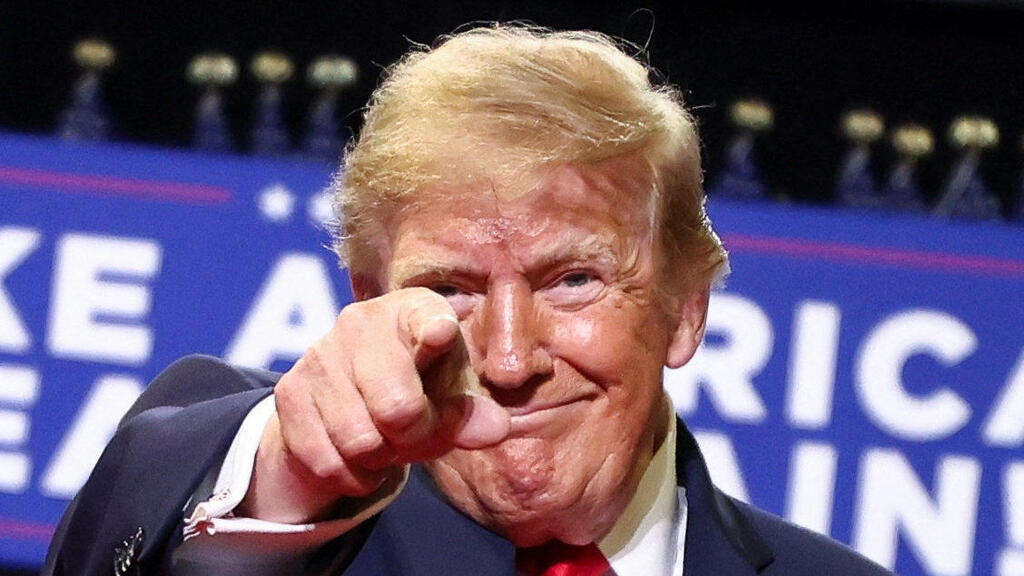
US military ready to strike Iran within 96 hours of Trump's approval
(Photo: REUTERS/Kevin Lamarque)
Unlike earlier operations focused on missile launchers, radar installations and other equipment that Iran could replace relatively quickly, the new plans envision a more substantial campaign against the Iranian regime's military capabilities and infrastructure.
"It will be a big effort," one American official said.
Current and former U.S. officials familiar with the planning believe Trump could order renewed large-scale operations before the end of the year, with several considering an attack after the November 3 U.S. midterm elections the more likely scenario.
However, the president has not committed to military action. Officials cautioned that Trump has previously appeared close to approving major operations before reversing course.
The White House declined to comment on the report. A senior Pentagon official emphasized that developing military options is part of the department's responsibility and does not, by itself, indicate that the president has ordered an attack.
Trump rejected Netanyahu's push for strikes before Israeli election
The American military preparations are unfolding against the backdrop of a disagreement between Washington and Jerusalem over the timing of renewed attacks on Iran.
Prime Minister Benjamin Netanyahu has been pressing for additional military action against Tehran, but senior American officials, including Trump, have urged Israel to postpone its plans until the two countries are prepared to conduct coordinated operations, according to two U.S. officials and an Israeli security source.
An Israeli security source said Netanyahu had sought Trump's approval for a joint attack before Israel's October 27 election, but the president refused.
According to that source, one factor behind Trump's decision was a warning from IDF Chief of Staff Lt. Gen. Eyal Zamir to Gen. Dan Caine, chairman of the U.S. Joint Chiefs of Staff.
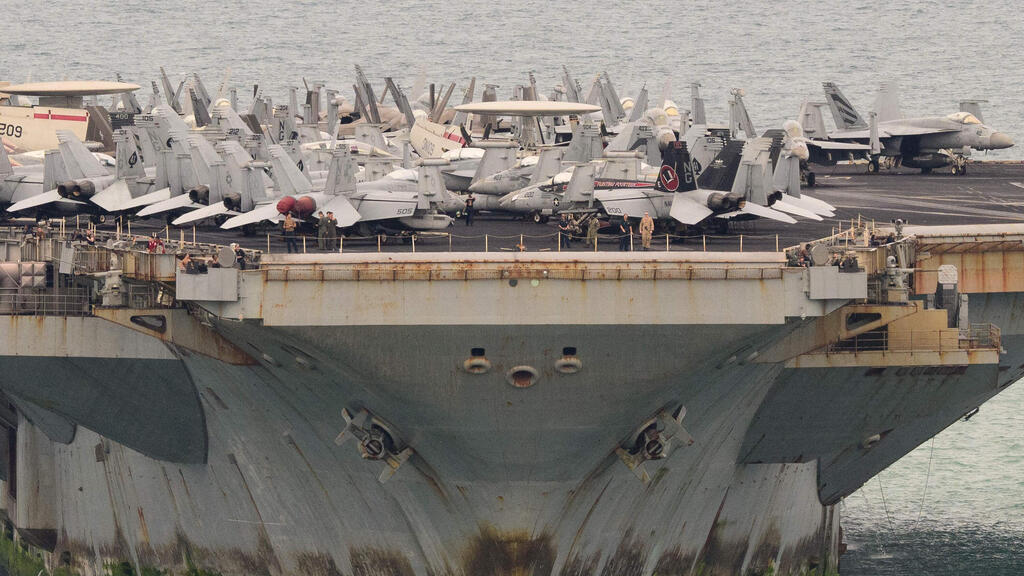
(Photo: ANTHONY WALLACE / AFP)
Zamir reportedly warned that an attack at such a sensitive moment could provoke Iranian retaliation, disrupt the Israeli election and potentially force its postponement.
Israel had been preparing for possible additional strikes over the past week and sought American assistance to support those operations. But officials in Washington reportedly instructed Israel to hold off, indicating that a joint offensive could follow after the U.S. midterms.
Israel appears to have accepted the delay for now, partly because of its dependence on American missile defense assistance. Israeli interceptor supplies have come under considerable strain during the conflict, and any renewed confrontation with Iran would likely trigger another wave of missile attacks.
The reported disagreement also comes amid growing scrutiny of Netanyahu's intentions regarding Iran. Recent U.S. intelligence assessments suggest that the prime minister and his allies have not established a clearly defined strategic objective beyond continuing to weaken the Iranian regime and demonstrating military progress, according to a source familiar with those assessments.
Netanyahu, however, has publicly articulated a more ambitious goal. Speaking at an IDF officers' graduation ceremony last week, he said he had instructed the military, Mossad and other security agencies to work toward overthrowing the Iranian regime.
Intelligence warns of immediate Iranian retaliation
American intelligence assessments indicate that both Iran and the Houthis in Yemen are taking the possibility of renewed U.S. and Israeli attacks seriously.
According to sources familiar with the assessments, Tehran and the Houthis would likely respond quickly to a new offensive by attacking American military personnel and facilities across the Middle East, potentially extending their operations beyond the region.
Intelligence officials do not currently believe Iran or the Houthis are likely to launch a major preemptive attack against American forces or Israel. However, they assess that both would be prepared to retaliate if Iran came under attack first.
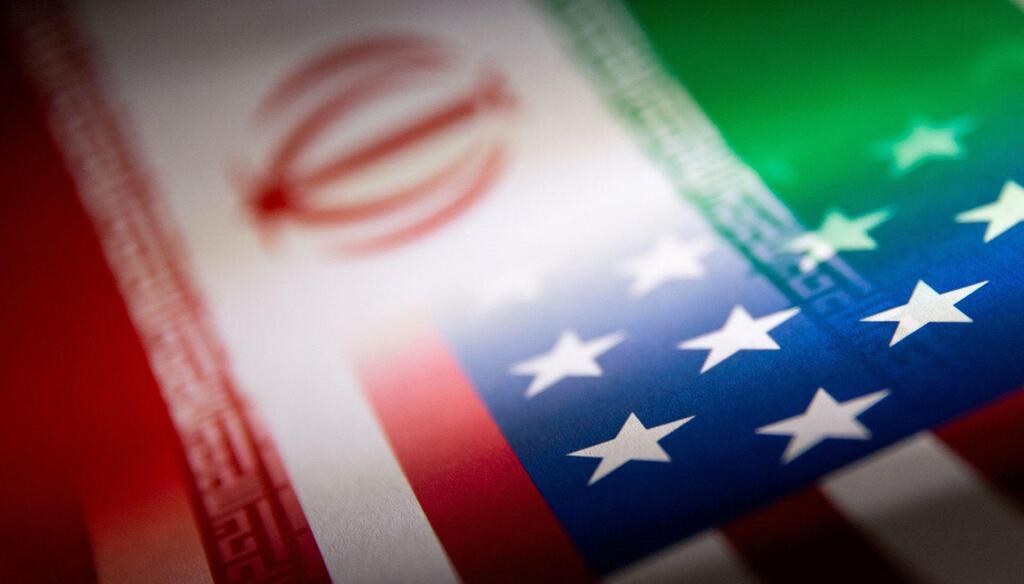
‘It will be a big effort’: US prepares major Iran attack as Trump weighs decision
(Photo: Reuters)
An unclassified October 23 memorandum from Director of National Intelligence Jay Clayton to Secretary of State Marco Rubio warned that Iran had intensified efforts to target American personnel. The intelligence assessment indicated that some Iranian plots had reached advanced stages, including in countries outside the Middle East.
The growing threat is already affecting the American diplomatic and military presence in the region.
The U.S. Embassy in Riyadh, Saudi Arabia, has been placed under an ordered departure for certain personnel, and officials expect additional diplomatic missions to face similar restrictions or reductions in staffing.
Meanwhile, nonessential American military personnel who were expected to deploy to the Middle East as part of upcoming troop rotations have reportedly been told their assignments have been canceled.
The measures reflect concern that any new confrontation could quickly extend beyond Iranian territory and place American personnel across the region at risk.
The Strait of Hormuz adds pressure for military action
Another factor influencing Washington's calculations is the increasingly difficult situation in the Strait of Hormuz, the strategic waterway connecting the Persian Gulf with international shipping routes.
Adm. Brad Cooper, commander of U.S. Central Command, visited the strait Sunday as American forces continued enforcing a blockade of Iranian ports and assisting commercial shipping through the area.
Cooper flew over the waterway by helicopter to assess conditions and met service members involved in clearing Iranian naval mines.
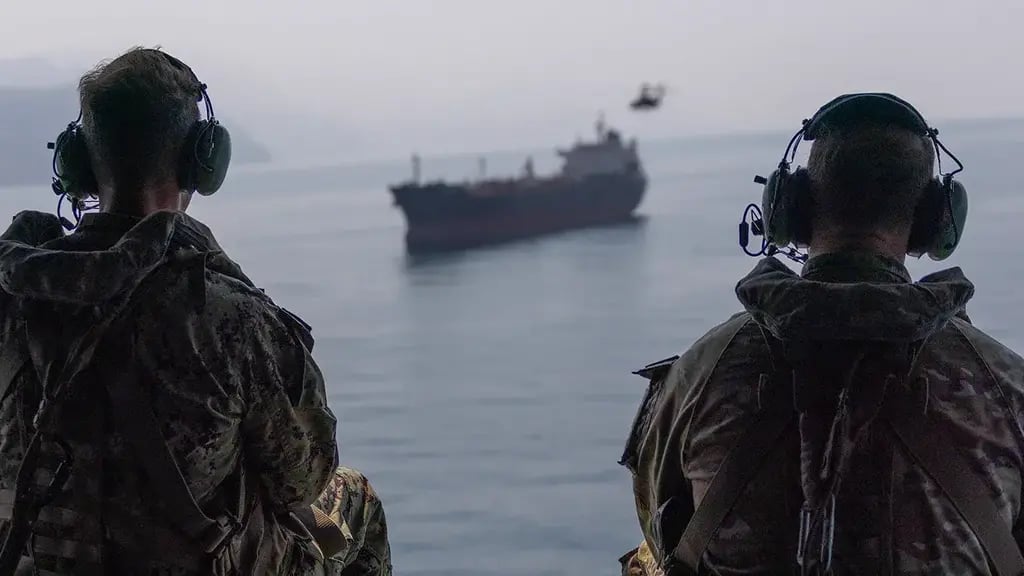
The Strait of Hormuz
(Photo: CENTCOM)
Although more oil tankers have begun passing through the strait, energy prices remain elevated, partly because of continuing concerns about Iranian attacks on shipping.
One American official described the existing situation around the strait as unsustainable over the long term. Without a diplomatic breakthrough, restoring more predictable maritime traffic could become another reason for Trump to authorize renewed military operations.
Yet significant uncertainty remains about what a new offensive would accomplish. Iranian forces have gained experience with American tactics, potentially complicating efforts to destroy intended targets. U.S. officials also acknowledge unresolved questions about Washington's broader strategy for ending the conflict.
For now, the military preparations continue while the political decision remains outstanding. Israel has reportedly delayed its immediate plans, Iran is preparing for possible renewed attacks, and American forces are positioned to act within days if Trump gives the order.
The timetable is therefore not a countdown to war. It represents the military's readiness to carry out a presidential decision that has yet to be made.