

Wall Street's mood has shifted dramatically. For months, artificial intelligence was the fuel powering the bull market, a prolonged period of rising stock prices. In the final week of October, it became the market's biggest source of fear. The Nasdaq Composite plunged 2.86% Friday, its steepest daily decline since June, and ended October down 5.3%. It was the index's worst month since March 2025, when U.S. President Donald Trump's tariff war shook global markets.
The S&P 500 fell about 0.9% in October and recorded its third consecutive weekly decline. The Dow Jones Industrial Average, which is less dependent on technology stocks, actually gained about 1.7% over the month. The divergence tells the story: Money has not simply fled Wall Street. Instead, investors have been shifting away from artificial intelligence stocks and toward defensive and traditional businesses. It is a sign of growing skepticism, though not yet outright panic.
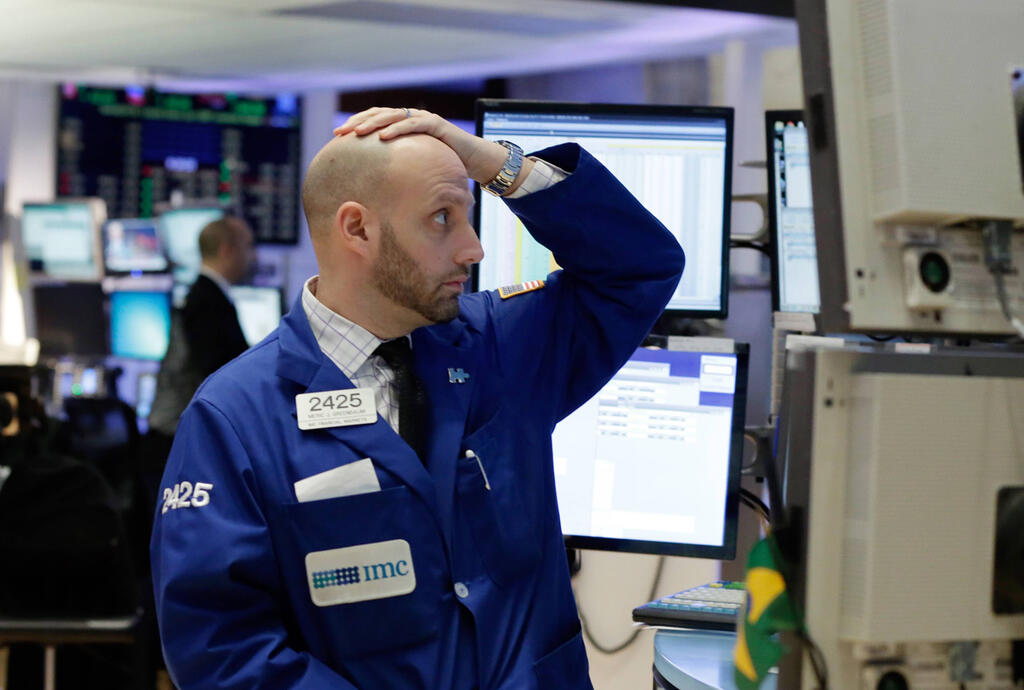
The shock came from an unexpected direction: Earnings reports from companies expected to be among the biggest beneficiaries of the AI revolution. Alphabet reported negative cash flow stemming from its massive AI investments, and its stock suffered the worst trading day in the company's history, plunging 12.6% and wiping approximately $500 billion off its market value. Amazon reported burning through tens of billions of dollars in cash. Intel shares plunged nearly 29% Friday following a weak forecast, marking their worst day in 52 years and dragging other semiconductor stocks lower.
Investors' message is clear: Pouring money into artificial intelligence is no longer enough. Companies must demonstrate that those investments are generating returns. According to Capital Economics, four cloud computing giants accounted for more than one-third of all capital expenditures by companies in the S&P 500 over the past year, and that share is expected to increase. When so much of the market depends on a single investment theme, any sign of weakness in cash flow sends shock waves across Wall Street.
Investors are also beginning to distinguish between companies. When Oracle announced plans to limit external fundraising and return to positive cash flow, its shares jumped. So-called neocloud companies, which build data centers using borrowed money, were punished severely. CoreWeave lost more than one-third of its value in October. Investors are no longer buying anything associated with artificial intelligence. They want to know who is financing the dream with their own money and who is relying on loans.
The Federal Reserve turns pessimistic
If artificial intelligence triggered the selloff, interest rates provided the oxygen. On Wednesday, the Federal Reserve left its benchmark interest rate unchanged at 3.75% to 4%. But its message was hawkish. The Fed warned that inflation "remains elevated" and signaled that further rate hikes could follow. Two policymakers, Fed Governor Lisa Cook and Cleveland Fed President Beth Hammack, dissented, favoring an immediate rate increase.
Markets are now pricing in roughly an 80% probability of a rate hike at the Fed's next decision in December, followed by another increase in March. The reason is oil. The war in the Middle East has pushed Brent crude prices to around $115 a barrel, while inflationary pressures are spreading from energy to the wider economy. Data from the Personal Consumption Expenditures price index, the Fed's preferred inflation gauge, show that prices across a substantial range of goods are rising by more than 3% annually.
The yield on the benchmark 10-year U.S. Treasury bond crossed 5% last week before retreating to around 4.94%. This is a key factor behind the selling in technology stocks. Persistently high interest rates increase the cost of financing AI infrastructure and reduce the present value of future earnings.
The U.S. economy grew faster than expected in the third quarter, but even that has reinforced concerns. According to Peter Cardillo of Spartan Capital, "Most of the growth came from AI spending." In other words, the same investment boom that Wall Street is beginning to question is also helping sustain the broader economy.
Fed Chair Kevin Warsh has also announced that fewer meetings next year will be devoted to setting interest rates, with more time reserved for broader monetary policy discussions. Market participants believe the change could increase volatility. With fewer opportunities for scheduled rate decisions, each one could carry greater significance, potentially including larger increases of half a percentage point, while leaving more room for surprises between meetings.
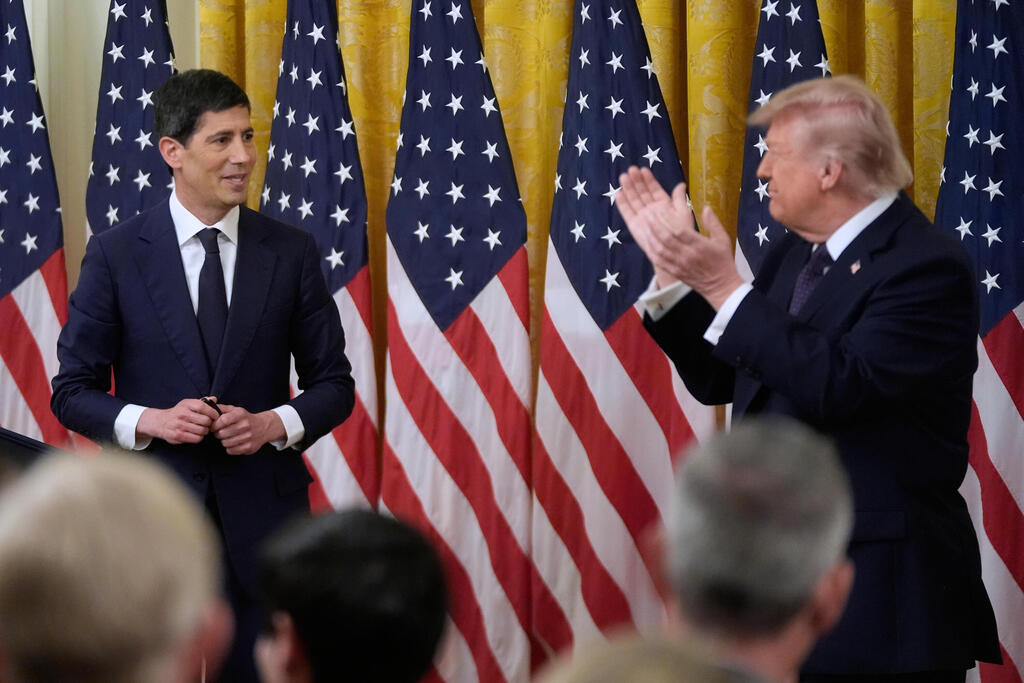
Donald Trump and Federal Reserve Chair Kevin Warsh
(Photo: AP Photo/Manuel Balce Ceneta)
Why is all this happening now? Part of the answer lies in the calendar. The United States will hold its midterm elections Tuesday, November 3. Some investors took profits Friday not only because it was the end of the month, but also to reduce their exposure ahead of the vote. Control of Congress is at stake. Pre-election forecasts generally favor Democrats to win the House of Representatives, while the Senate contest remains closely fought.
Market analyses suggest that different election outcomes carry different risks. A Democratic sweep could put pressure on stocks because of expectations of tighter oversight and regulation, while potentially pushing bond yields and the dollar lower. A Republican sweep could revive concerns about protectionist policies and new tariffs, which could fuel inflation and strengthen expectations of further interest rate hikes.
A decisive week ahead
The election is also connected to the Federal Reserve. The cost of living has been a central issue in the campaign, and Democratic control of Congress would give the party broader oversight powers, including over the central bank. For its part, the Fed opted to leave interest rates unchanged ahead of the election.
As early as September, Reuters reported that a seemingly "fearless" market remained vulnerable to shocks ahead of the vote. The VIX volatility index, often called Wall Street's fear gauge, was then at a low level, while strategists described the market as particularly fragile.
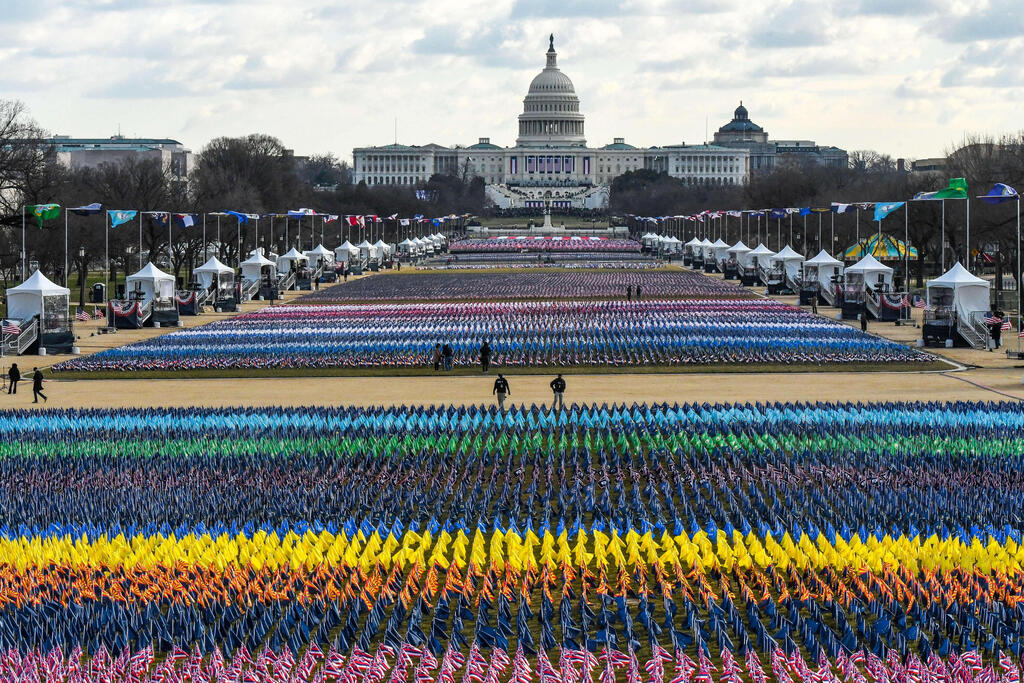
The US Capitol. Midterm elections are another source of uncertainty for investors
(Photo: AFP)
The coming week will be especially busy, with the midterm elections, the October employment report due Friday, November 6, and another round of technology company earnings. Any one of those developments could influence the market's direction.
Two of the Nasdaq's five largest daily declines this year occurred in October, just eight days apart, and both were driven by the same concern: that the enormous sums being invested in artificial intelligence might not generate adequate returns.
At the beginning of the year, the fear came from outside the technology industry, from Trump's tariffs and the war in the Middle East. Now it is coming from within the companies themselves. That may be the more troubling difference. Tariffs can be suspended with a single announcement, but doubts about the returns on hundreds of billions of dollars in investments cannot be erased with a social media post.
Wall Street analysts point out that the broader market remains far from broken. The S&P 500 is only a few percentage points below its record high, supported by traditional stocks. The Nasdaq, however, is roughly 8% below its peak and approaching correction territory, defined as a decline of 10% from a recent high. Semiconductor stocks have already suffered a prolonged downturn.
The question is whether this represents a healthy correction after excessive enthusiasm or the beginning of a deeper reckoning with the artificial intelligence boom. The answer depends on three things: whether companies can prove their investments are profitable, whether the Fed will be forced to raise interest rates in response to expensive oil, and what happens at the ballot box Tuesday. The coming week could begin to provide answers to all three.