

No longer just the capital of fashion and finance, Milan can now add “Olympic city” to its long list of titles after hosting the recently concluded Winter Games. Over two decades, it cultivated an Olympic legacy of construction that reshaped its skyline and boosted investment, tourism and the city’s vibrant cultural life.
This relatively new legacy of the Milan-Cortina Winter Olympics includes not only physical renewal in the form of modern venues and infrastructure, but also rebranding.
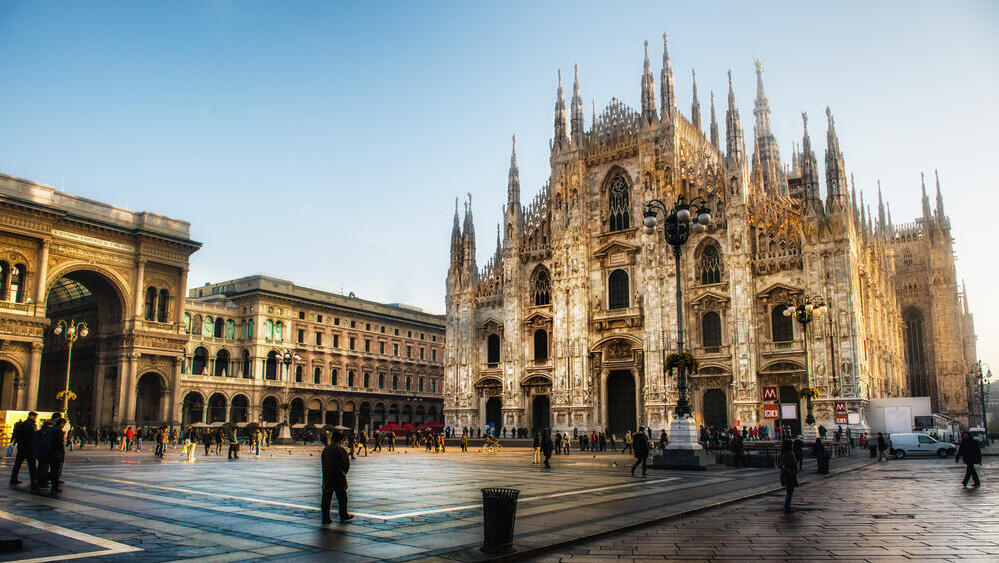
“Milan is more and more creating a distinctive brand able to attract an international audience,” Dino Ruta of Bocconi University, who is leading a study on the economic impact of the Winter Olympics for the International Olympic Committee, told The Associated Press. The study is expected to be published later this year.
This year’s Games are widely seen in Milan as the second defining event of the past decade for the city’s identity, after Expo 2015 — then the world’s largest exhibition, with 145 participating countries — which focused on agriculture, green industry and food production. The expo brought new investment, talent and a wave of tourism to the northern Italian city.
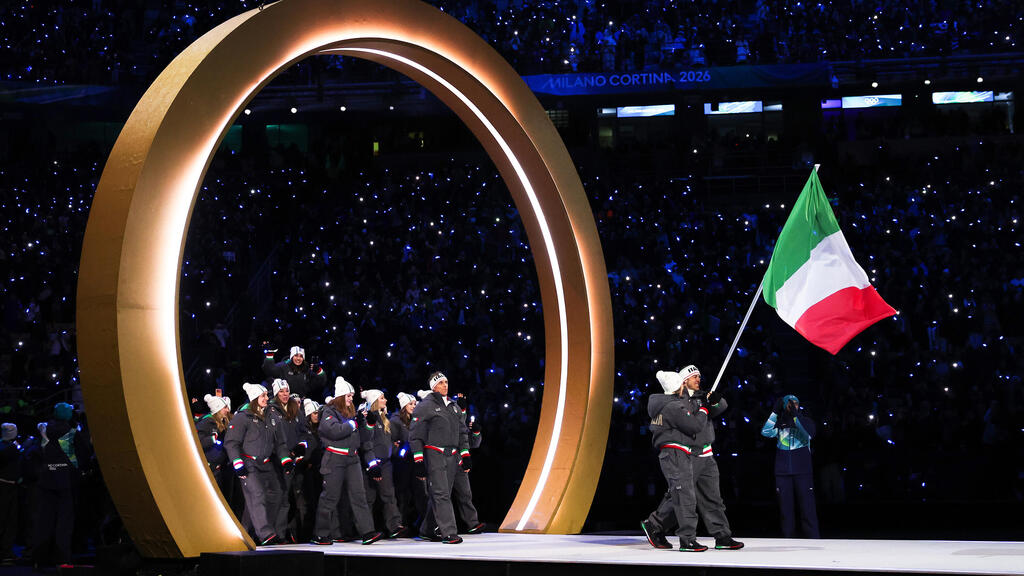
Italy’s Olympic team at the opening ceremony in Milan
(Photo: Sarah Stier/Pool Photo via AP)
Yet Milan’s transformation from a provincial working-class city known mainly as an industrial and business center began earlier, in the early 2000s, with a wave of major infrastructure projects and large-scale real estate developments that reshaped its skyline.
The CityLife district emerged around three skyscrapers, and in 2012, the city’s tallest building, the 218-meter UniCredit Tower, was completed. Still, the event most responsible for Milan’s makeover was Expo 2015, which drew 22 million visitors.
The growth was not limited to tourism. The expo led to a 3 billion-euro investment to convert the site into the MIND science and technology hub. Since then, the number of five-star hotels has tripled, and the city has added two subway lines and a dozen new museums.
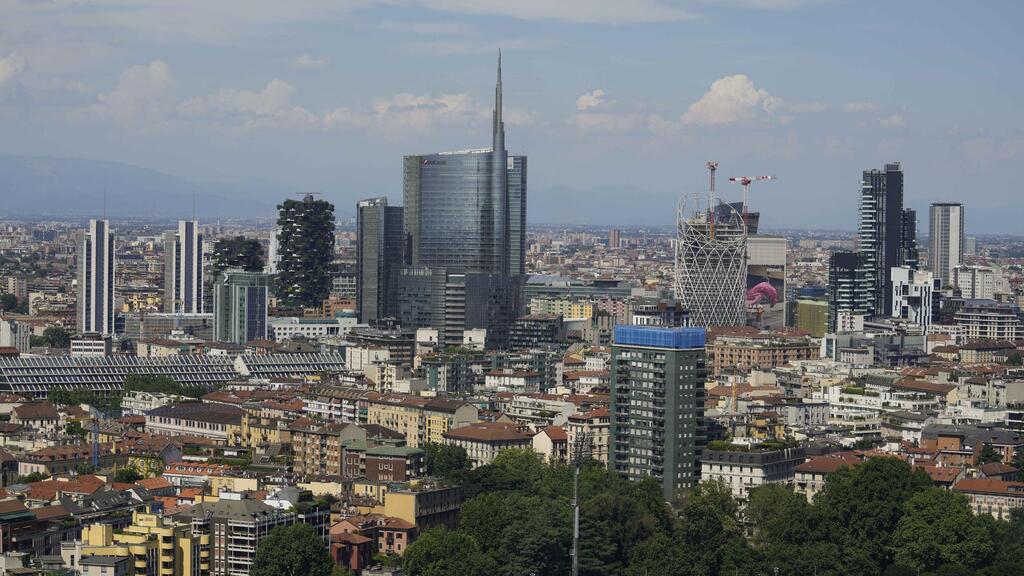
Milan’s skyline
(Photo: AP Photo/Luca Bruno)
A real estate windfall: concert hall and student housing
The physical legacy of the Winter Olympics is far more modest than that of Expo 2015, by design. To limit new construction and development costs, competitions were spread across seven cities, as well as valleys, ski resorts and existing venues.
Milan’s most prominent real estate legacy from the Games is the brand-new Santa Giulia Olympic hockey arena, which will host concerts, exhibitions and sporting events. Another significant addition is the Olympic Village, which will be converted into housing for about 1,700 students — a much-needed solution in a city with 10 universities facing an affordable housing crisis.
Preliminary data collected for Bocconi University’s study show that about 4 billion euros were invested in new and upgraded sports facilities, roads and metro access, rail lines and ski lifts, among other projects.
According to a Feb. 16 report by the Assolombarda business association, the cost of the Games in Milan itself — including the opening ceremony at San Siro and 90 indoor ice events — is estimated at about 735 million euros, while revenue from visitors is estimated at around 1 billion euros. Forecasts suggest the Olympics will boost Milan’s economic growth in 2026 by between 0.6% and 1.7%, accelerating industrial output across the wider region, the association said during the Games.
The Olympic Village has also driven accelerated development of the southern rail yard area of Porta Romana, near one of Milan’s former largest industrial sites. The project will provide about 100,000 square meters of housing — roughly half designated as affordable under city rules adopted in 2019 — along with parks and public space covering about half the site.
“Major events can open the interest of the world to the city,” said Luca Mangia, general manager of COIMA, the developer behind the Porta Romana and Porta Nuova projects. “We saw that with Expo 2015 and we hope it will happen again with the Olympic Games.”
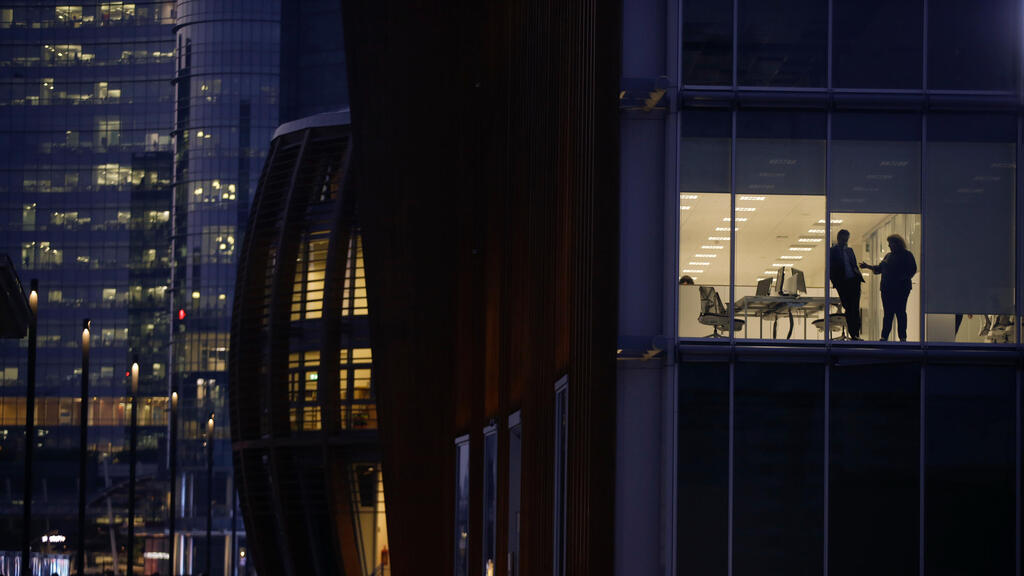
Employees in an office in the Porta Nuova district
(Photo: AP Photo/Luca Bruno, File)
No longer just soccer
Italy’s record haul of 30 medals at the Games is expected to spark renewed interest in winter sports, much as tennis surged in popularity following the success of Italian player Jannik Sinner.
According to Ruta of Bocconi University, this could also raise awareness of sports and physical fitness as part of a collaboration initiated by Olympic organizers with major companies in the city, aimed at encouraging employees to engage in 30 minutes of physical activity each day. “Athletes inspire everybody to be an everyday athlete,” Ruta said.
All of this also has indirect economic effects, including increased bookings at ski resorts, demand for ski and ice equipment and winter sports travel packages.
“The Olympics have reignited the enthusiasm and the passion for ice and all of its sports, an energy that we don’t want to lose,” Giovanni Bozzetti, president of the Foundation Fiera Milano, wrote in a social media post.
First published: 08:21, 02.26.26