

Boston is one of the most expensive cities in the United States, yet Israelis continue to arrive. Despite long, freezing winters and housing prices that rank among the highest in the country, many describe it as one of America’s most attractive destinations.
The Israeli community in Boston has always differed from most Israeli enclaves in the US. You will hardly find contractors, small construction business owners or service providers. Instead, the community is dominated by academics, physicians, researchers, cybersecurity professionals and startup entrepreneurs.
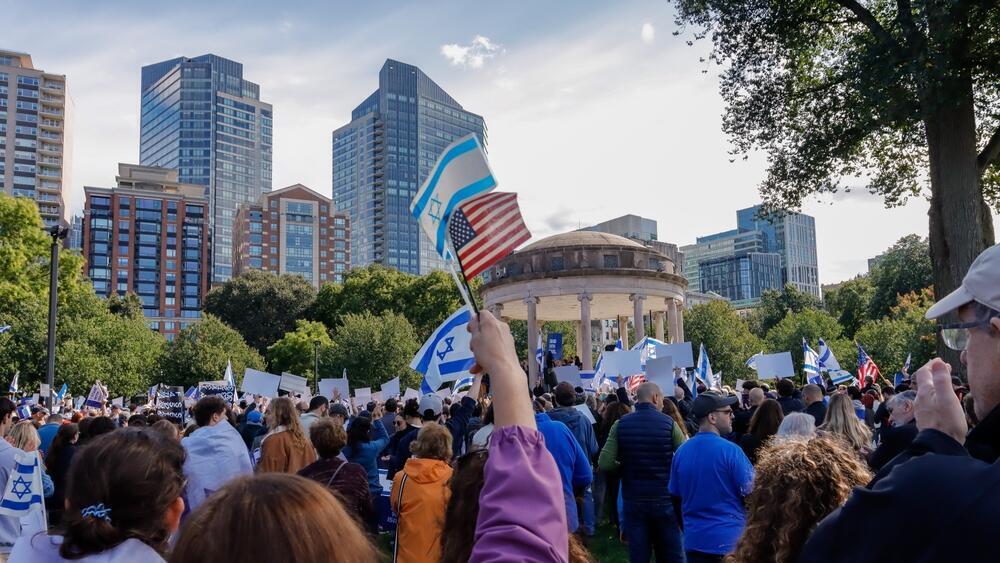
A glance at the Facebook group “Israelis in Boston” reveals another distinction. There are almost no posts about undocumented status or urgent searches for immigration lawyers. Nor are there frequent pleas for emergency housing or financial help, as seen in some larger Israeli hubs. The difference stems largely from who comes to Boston and why.
Most Israelis who relocate to the city do so for academic study, medical fellowships, research positions or jobs in high-tech companies and startups. In most cases, they arrive with employment secured in advance, their legal status arranged and their income sufficient to ensure stability. Almost no one arrives hoping to “figure it out later.”
Maya Bar-Dolev moved to Boston 10 months ago with her husband and three children after her husband received a job offer in the semiconductor industry. Palo Alto was initially considered, she said, but Boston felt less distant from Israel.

Boston
(Photo: Leah Willingham/ AP)
“In Israel I managed a laboratory at the Technion,” she said. “Now I’m still looking for work.” Despite the forced pause in her career and the distance from extended family, she sees advantages. “There’s more time for the family. Weekends are longer — Saturday and Sunday — and there are fewer obligations.”
The disadvantages are clear: bitter cold and expensive produce. “Cucumbers and tomatoes are less tasty and much more expensive,” she said. Winter can be harsh, with snow blocking parking spaces and complicating daily life. Yet Boston’s autumn foliage and surrounding lakes offer striking scenery.
Many families view their stay as temporary. In two years, Bar-Dolev’s twin sons will reach draft age for the Israel Defense Forces, and she hopes to return with them. Some Israeli children raised in Boston enlist as lone soldiers; others remain in the United States.
Dr. Avi Almozlino is among the most veteran Israelis in Boston. He arrived roughly 40 years ago following a job offer and now serves as a senior neurologist while also co-chairing the Israeli American Council in the city. He says about 10% to 15% of American Jewry is Israeli-born or Israeli-connected, giving the community significant influence.
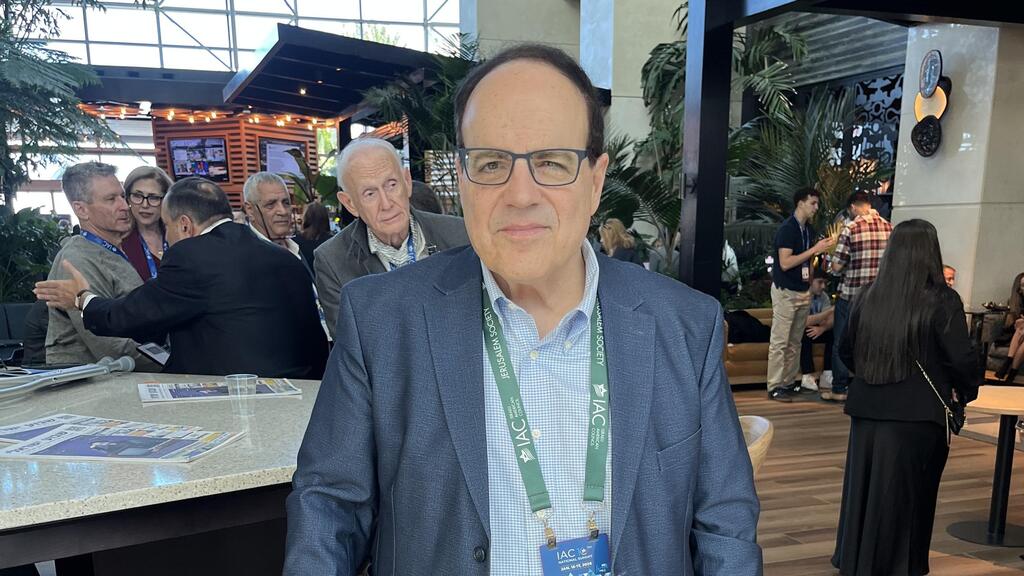
Dr. Avi Almozlino
“The line between Israeli and American is dissolving,” he said. “Many children of Israelis here serve in the IDF. Some move to Israel permanently. Others live half a year here and half a year there. The world is dynamic.”
Shira Ruderman, who splits her time between Tel Aviv and Boston and leads the Ruderman Family Foundation, says roughly 30,000 Israelis live in Boston and about 850,000 in the United States overall, including American-born children eligible for Israeli citizenship.
“There are more than 200 Israeli high-tech companies in Boston,” she said. Massachusetts offers incentives for startups, and the city actively cultivates economic ties with Israel. She cautions against framing the phenomenon as “brain drain.”
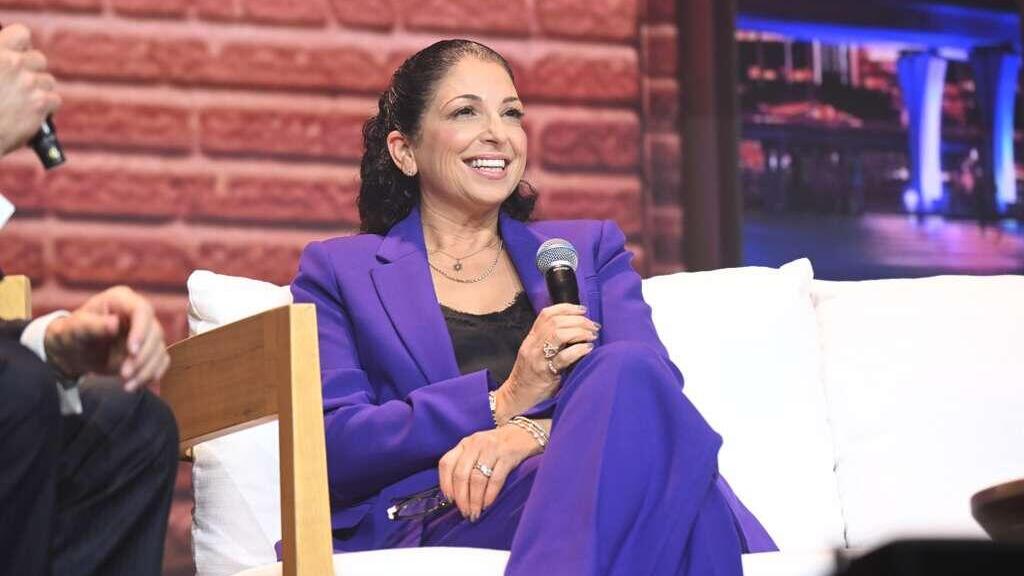
Shira Ruderman
(Photo: Noam Galai)
“No one is fleeing,” she said. “We live in a global, borderless world. Instead of being judgmental and saying people are leaving the country, Israel should nurture its relationship with communities abroad and allow them to return when the time is right.”
Boston’s cost of living reflects its economic strength. With about 675,000 residents in the city proper and roughly 5 million in the metropolitan area, it consistently ranks among the three most expensive US cities, largely due to high housing demand driven by biotech, medicine and academia.
Daphna Patishi Pryluk moved to Boston two years ago with her husband, two children and their dog. Her husband runs a clinical research startup; she, a trained attorney, works for a pharmaceutical company and also founded a relocation consulting business to assist Israelis navigating the move.
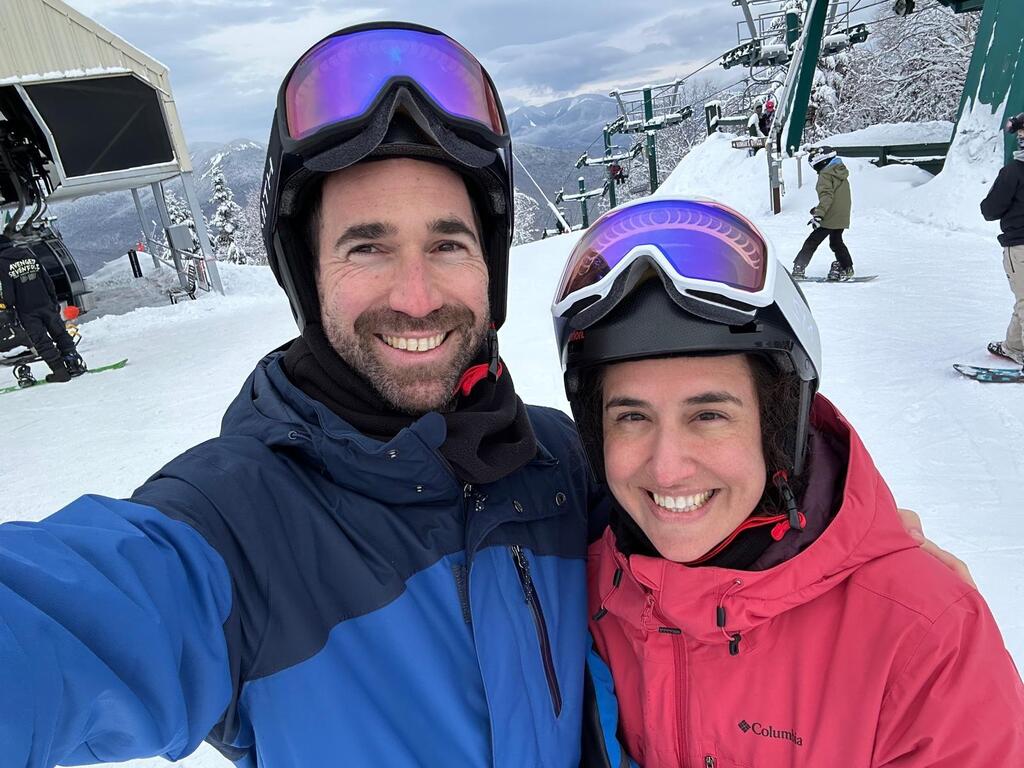
Dafna Patishi Pryluk moved to Boston two years ago with her husband
“Many clients are looking for quiet and predictability,” she said. “They want to plan more than a week ahead. After experiencing war, there’s relief in living somewhere focused on routine and the future.”
Although antisemitism has been reported on campuses such as Harvard since October 7, Patishi Pryluksays daily life in Boston feels broadly welcoming. “I speak Hebrew freely in the street,” she said. “There’s no need to hide who we are.”
Another distinctive feature of Boston’s Israeli community is its largely liberal and secular character. Yet many secular Israelis find themselves drawn closer to Jewish communal life after relocating. Daniel Drori, a cancer researcher who has lived in Boston for five years, says he never attended synagogue in Israel, not even on holidays. In Boston, he and his family began going on Saturday mornings after meeting other Israeli families through their children’s preschool.
“We’re completely secular,” he said. “But when you’re far from your family and community, you look for connection. It creates a sense of belonging.”
For most Israelis interviewed, Boston represents a professional chapter rather than a permanent departure. They describe relocation, not emigration. Whether that chapter eventually closes depends on careers, children — and on how Israel chooses to engage a generation living comfortably between two worlds.