

The Finance Ministry unveiled the principles of the 2026 state budget on Tuesday, sparking a public clash with the Defense Ministry over spending. Senior treasury officials accused the military of waste and even “criminal” practices, saying its mismanagement comes at the expense of health, welfare, and infrastructure.
Finance Minister Bezalel Smotrich said the government would demand sweeping efficiency reforms in the IDF and that the defense budget would not exceed existing agreements. “A deal was already reached for an additional NIS 42 billion ($11.3 billion), and that’s final,” he said, adding that the current defense budget has already reached NIS 163 billion ($44 billion), while next year’s base funding is projected at NIS 80–90 billion ($21–$24 billion).
Gallery
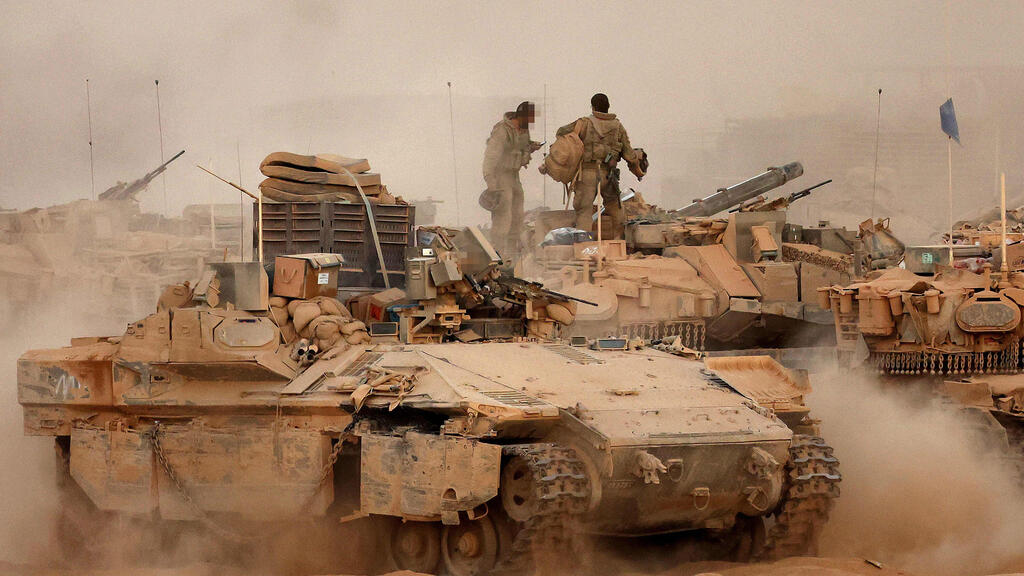
Senior treasury officials accused the military of waste and even “criminal” practices
(Photo: Jack Guez/ AFP)
Finance Ministry Director-General Ilan Rom, a former senior Mossad official, accused the military of “criminal conduct” such as paying suppliers during reserve duty and wasting money on unnecessary call-ups. “Citizens are paying for the defense budget’s waste through poorer healthcare and welfare,” he said. Chief Economist Shmuel Abramzon added: “Every extra shekel for defense is another shekel in taxes for Israeli citizens.”
Smotrich, who convened the first-ever budget press conference without a serving head of the Budget Department, also announced plans to impose new taxes on Israel’s banks, citing their “enormous profits” and falling interest rates for deposits. “The banks have returned to their old ways, and we will tax them in 2026,” he said. The Tel Aviv Stock Exchange’s bank index fell in response.
The minister also said income taxes would be cut but refused to commit to reducing coalition funds, saying such budgets are “necessary.” He promised more competition in the banking sector, noting that “four new players” would soon enter the market.

Finance Minister Bezalel Smotrich
(Photo: GPO)
Abramzon revised Israel’s 2025 growth forecast downward to 2.8%, from a previous 3.1%, but projected 5.1% growth in 2026. Smotrich said this year’s deficit would end at 4.5%, dropping to 3.2% next year.
The budget, delayed by ongoing disputes, is expected to be approved by the government on December 4 and pass its first Knesset reading in January 2026. Smotrich said the guiding theme for the new plan would be “From war to growth.”
He added that the war has already cost Israel roughly a quarter of a trillion shekels. “We must now shift spending from defense to health, welfare, and infrastructure,” he said.
Rom reiterated that inefficiency in the military must end. “The phenomenon of reservists serving one week on and one week off, while being paid for full service, has to stop,” he declared.
Senior Finance Ministry officials described the fiscal gap between the current and proposed budgets as around NIS 40 billion ($10.8 billion), underscoring the need for major restructuring in the wake of two years of war.