

Bank of Israel decided Monday afternoon to cut the economy’s interest rate by a quarter point to 4.25%. As a result, the prime rate will fall from 6% to 5.75%. This is the first rate cut in about two years.
The move is expected to reduce monthly mortgage payments by an average of 60 to about 200 shekels [about $19 to $63], depending on the size of the loan and its structure. Although the monetary policy announcement was released today, the new rate will take effect only on Thursday to allow the banking system to prepare for the change. Calculations made for ynet and “Mamon” by the Association of Mortgage Advisers show the rate cut will lower annual repayments for mortgage holders by roughly 720 shekels to 2,300 shekels a year [about $225 to $719].
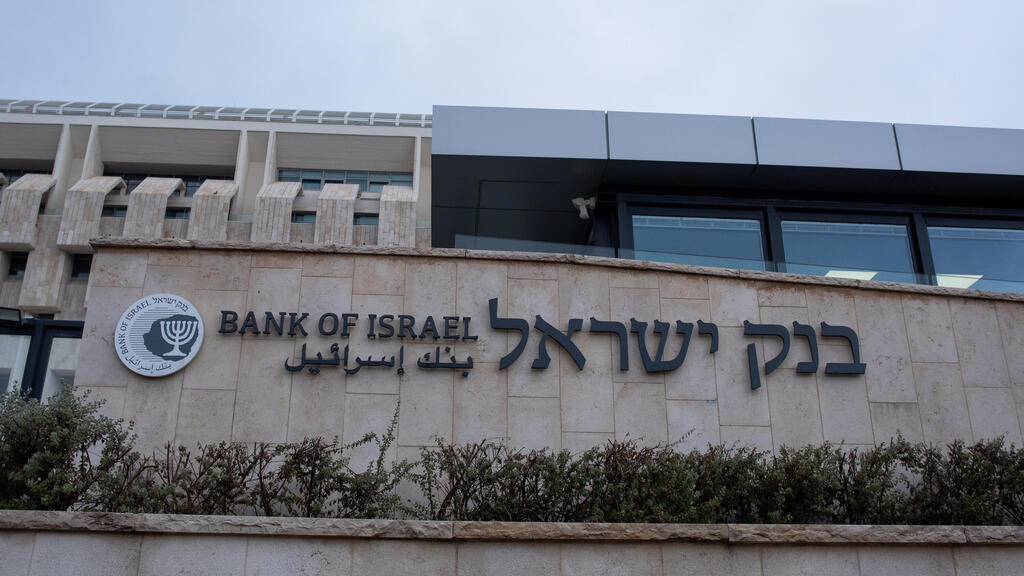
Bank of Israel
(Photo: shalev shalom
)
Meir Wider, CEO of Wider Mortgages, said that even a quarter-point drop can add up to major savings over long loan periods, totaling 21,000 to 39,000 shekels on 25-year mortgages [about $6,563 to $12,188]. It is far from small change.
In recent days, senior business leaders had expressed hope that Bank of Israel would not settle for just a quarter-point cut, and after nearly two years without any reduction, would lower rates by a full half-point at once. That did not happen.
Among those calling for such a move were Manufacturers Association President Dr. Ron Tomer, Israeli Chambers of Commerce President Shahar Turgeman, Business Sector Association President Dov Amitai, Institute of Certified Public Accountants President Chen Schreiber and Builders Association President Roni Brik. Banks and investment houses voiced strong doubts that Bank of Israel would dare to open the easing cycle with a larger half-point cut, even though the interest-rate gap between Israel and many other countries has widened by more than a percentage point in recent months.
A 0.25% drop in prime may sound small, but in practice it brings immediate relief to households, Wider said. “On an average mortgage of 1.5 million shekels [about $468,750], with about 500,000 shekels [about $156,250] linked to prime, the monthly payment drops by about 70 to 80 shekels [about $22 to $25]. That’s about 900 shekels a year [about $281] and around 20,000 shekels over the life of the loan [about $6,250]. For families with a higher prime component, the impact is even larger. If we do see more cuts, this is a good time to look at refinancing and improving terms that can return thousands of shekels to the monthly budget,” he said.
The Association of Mortgage Advisers said the cut is an important decision and it hopes the trend continues. Still, it said the reduction will not lead to a dramatic change in monthly repayments and, for now, will not significantly ease the situation of young couples in Israel. Alongside rate moves, the association urged Bank of Israel to extend the temporary order that allows a mortgage for any purpose, which it described as a tool the public continues to use to ease cash flow, repay expensive short-term loans and replace them with longer-term borrowing. In September, such loans totaled about 574 million shekels [about $179 million], it said.
Tomer added that another immediate rate cut is vital for export growth and the broader economy. “A further reduction is a necessary move that cannot be delayed. Its goal is to return the economy to a path of accelerated growth. Moreover, the governor should not wait for the next official rate decision, but carry out another immediate cut in the coming month, before the end of 2025,” he said.
Among the reasons Bank of Israel cut rates: inflation in Israel has moved well within the government’s target of 1% to 3% and now stands at 2.5%. In the coming months, negative CPI readings are likely, so the central bank no longer needs to fear a renewed outbreak of price increases. The government is preparing a state budget, albeit with a long delay, and there is a chance it will win Knesset approval in March.
Bank of Israel is also watching global developments, and maintaining a narrow gap between rates in the United States and Israel has always been important. The Federal Reserve cut rates this month, and assessments are that it will do so again next month. To keep the gap from widening sharply, Bank of Israel took an active step and lowered rates here as well.