


The rise in housing prices in Israel has led to a decline in homeownership rates, with 70% of Israelis owning their homes, nearly 30% renting and the remainder living in private assisted housing as of 2024.
The figures were released earlier this week by the Central Bureau of Statistics (CBS), based on data from the Housing and Buildings Registry, which relies on municipal property tax records.
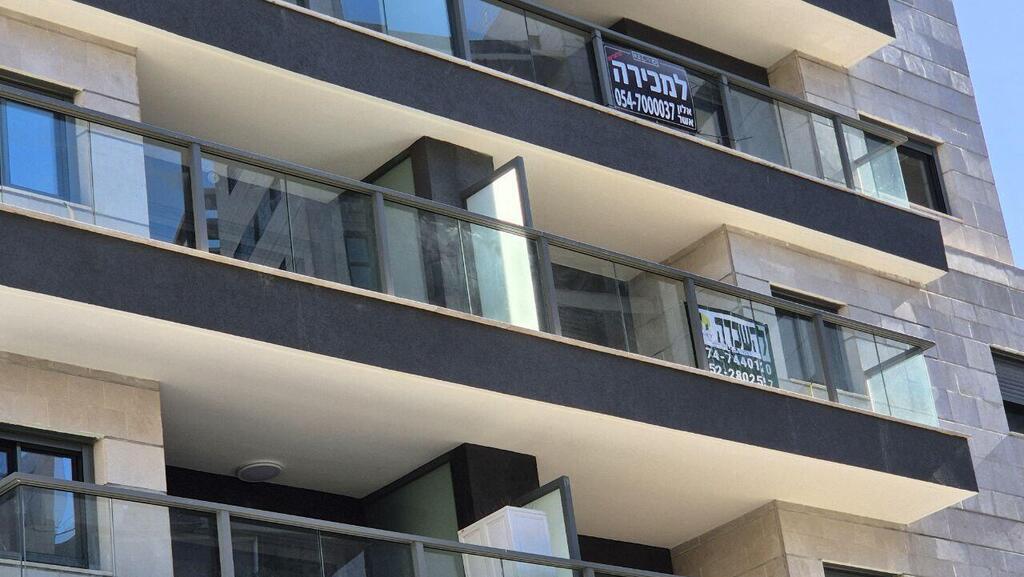
As of July 2024, Israel had approximately 2.96 million residential units. At the end of 2023, there were 2.92 million households in the country, marking a 2.2% increase from 2022. Of the total housing units, 2.1 million (70.6%) were owner-occupied, down from 75.2% in 2013. Meanwhile, rental units accounted for 851,600 (28.8%), up from 24.3% in 2013. Another 17,500 units (0.6%) were private assisted housing.
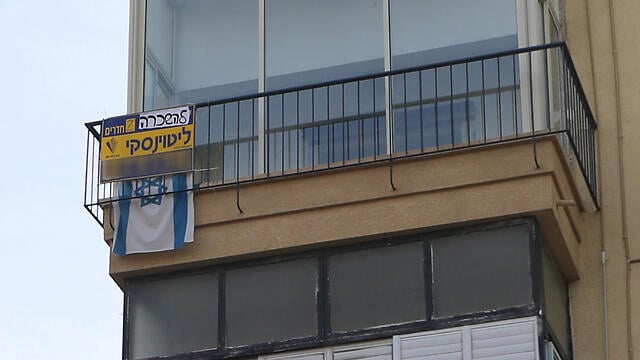
Between 2023 and 2024, the number of rental units grew by 2.7%. Over the past decade (2013–2024), the average annual increase in rental housing was 3.4%, surpassing the overall housing stock’s growth rate of 1.9% per year.
In 2024, about 2.71 million housing units were in cities and local councils, including 1.91 million owned units and 781,900 rental units (28.9%). In regional councils, there were 253,200 housing units, of which 182,600 (72.1%) were owned and 69,700 (27.5%) were rented.
(Photo: Yaron Brener)
Among Israel’s 19 largest cities (over 100,000 residents), Tel Aviv had the highest proportion of rental units (12.2% of the national total or 104,000 apartments), followed by Jerusalem (9.2%, or 78,500 apartments). Smaller cities and local councils accounted for 31.3% of the rental market, while 8.2% of rental units were in regional councils.
The city with the highest proportion of rentals was Harish, where 51.8% of units were rented, surpassing Tel Aviv (47.4%). Givatayim ranked third (41.8%), followed by Ramat Gan (40%). In local councils, Mitzpe Ramon had the highest rental rate (55.8%), followed by Kiryat Arba (43.6%).
Private landlords dominate the rental market
Approximately 81% of rental units were owned by private individuals. Nearly 7% were managed by public housing companies, 4.5% were owned by kibbutzim or moshavim and 4% were rented out by private companies, some through the government’s renting program. The share of company-owned rentals was particularly high in Herzliya (9.5%) and Tel Aviv (6.3%).
Get the Ynetnews app on your smartphone: Google Play: https://bit.ly/4eJ37pE | Apple App Store: https://bit.ly/3ZL7iNv
In 2024, 2.6% of previously owned homes were converted to rental properties, while 2.2% of rental units transitioned to owner-occupied housing. Most homes (95.2%) remained under the same ownership status.
Arab sector: Higher homeownership rates
Among Jewish households in 2024, 69.5% owned their homes, 30% rented and 0.6% lived in private assisted housing. Among Arab households, 87.7% owned their homes and 12.3% rented. In non-Jewish towns, homeownership was even higher at 95.6%, with only 4.4% of homes rented.
(Photo: David Hacohen)
In mixed Jewish-Arab cities, 70.5% of Arab-held homes were owner-occupied, similar to the Jewish population nationwide. In contrast, Arab residents in Jewish-majority towns had a homeownership rate of 39.1%, with 60.9% renting.
In Jerusalem, 26.4% of housing units were held by Arabs, with 74.1% of those units owner-occupied and 25.9% rented. Among Jewish residents in the city, 67.2% of homes were owned and 31.5% rented. In Haifa, 11.3% of units were occupied by Arabs, with 56.7% owned and 43.3% rented, compared to 69.5% ownership and 29.6% rentals among Jewish residents.
Age and marital status influence housing trends
Homeownership rates increased with age. Among residents under 34, 59.6% rented, whereas only 17.9% of those 65 and older lived in rentals. Between 2013 and 2024, the rental rate among those under 64 rose from 27.9% to 35%, while remaining stable at around 18% for those 65 and older.
Marital status also played a role: among married individuals, 78.2% owned their homes and 21.6% rented. In contrast, among singles, 40.6% were homeowners, while 59.2% rented. Divorced individuals had a 57.6% homeownership rate, while 41.7% rented. Widowed individuals had the highest homeownership rate (78.6%), with 18.5% renting and 2.8% in assisted housing.
Decline in public housing
In 2024, Israel had about 60,000 public housing units — 45,450 in private assisted living and 14,600 in public assisted housing for eligible Olim over 65. This marked a decline from 67,100 units in 2013.
(Photo: Orel Cohen)
Since 2013, an average of 1,000 public housing units (excluding assisted housing) have been removed annually from the stock. More than half of public housing is located in the southern (35.7%) and northern (18.1%) districts. Be’er Sheva had the largest share of public housing (9.7%, or 5,800 units), followed by Ashdod (3,400 units).
Israel’s rental rates in a global context
In 2023, an average of 30.8% of households in the European Union rented their homes, compared to 28.6% in Israel. Rental rates in Western and Northern Europe were notably high, led by Switzerland (57.4%) and Germany (52.4%). In contrast, rental rates in Eastern Europe were much lower, with Albania at 4.1%, Romania at 4.4% and Slovakia at 6.4%.