

As the Israeli military begins receiving Rafael’s new high-powered laser air defense system, known as “Iron Beam,” it is becoming clear that full deployment will be long and extremely expensive, despite hopes of dramatically lowering interception costs.
During its lengthy development, Rafael Advanced Defense Systems and the Defense Ministry fostered expectations that intercepting rockets and drones with Iron Beam would be far cheaper than using interceptor missiles. A single Tamir missile fired by the Iron Dome system costs about $50,000, while senior defense officials have said a laser interception would cost only a few shekels.
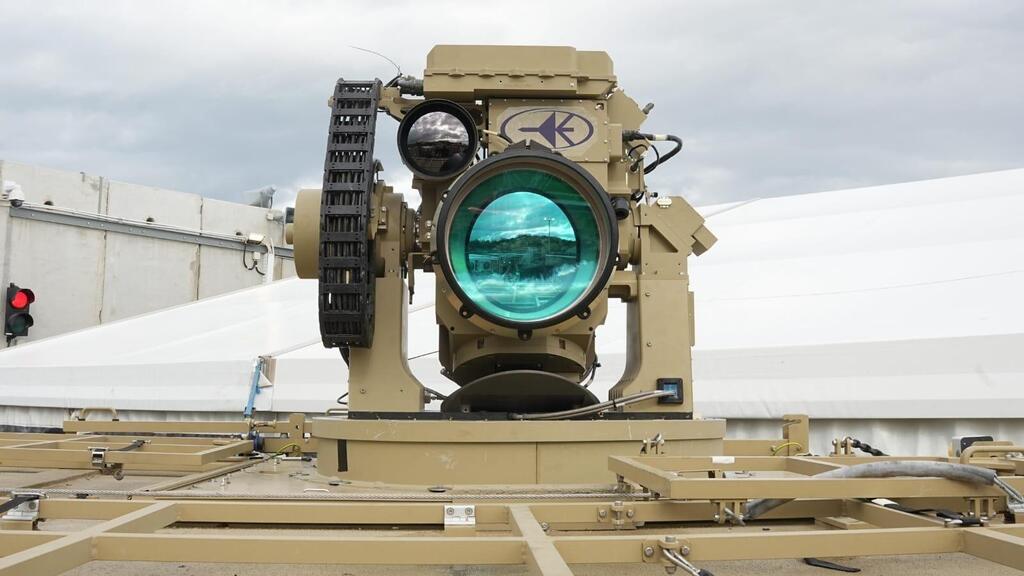
That figure is striking, but it obscures another critical cost. Each laser director that fires the beam capable of disabling airborne threats is estimated to cost tens of millions of dollars. Rafael has declined to disclose the exact price. With the laser’s current effective range limited to about 10 kilometers, defending large areas would require dozens, if not hundreds, of such systems.
Since its first operational interception in April 2011, Iron Dome, also developed by Rafael, has intercepted more than 10,000 rockets launched toward Israel from Gaza and Lebanon. Originally designed to counter short-range threats, the system has undergone years of upgrades and can now intercept targets at ranges of up to about 120 kilometers.
Defense officials believe Iron Beam will follow a similar path of gradual improvement. Alongside the initial delivery of laser systems to the military, Rafael engineers are working to extend the beam’s range, increase the number of targets it can engage simultaneously and improve performance in adverse weather conditions such as storms, cloud cover and haze.

(Photo: Rafael Advanced Defense Systems)
A senior defense official told Calcalist that even in its first version, the laser system can operate about 90 percent of the time, thanks to technological breakthroughs that mitigated atmospheric interference.
At least for the near future, Iron Beam is not expected to function independently but rather as a complementary layer to Iron Dome. Operators will decide in real time whether to use a low-cost laser beam or fire an expensive interceptor missile. In scenarios involving heavy barrages of dozens of rockets, both systems would be used in tandem.
Defense officials say Iron Beam’s capabilities are expected to improve as it gains operational experience. As with Iron Dome, performance data from interceptions will be analyzed and used to refine software and hardware upgrades.
During the most recent conflict with Hezbollah in the north, and amid the military’s difficulties countering drone threats, Rafael and the air force deployed several laser prototypes in the field. According to defense officials, the results against drones were satisfactory and helped accelerate completion of Iron Beam’s development.
In past field tests, the laser system also successfully intercepted rockets similar to those fired toward Israel in multiple rounds of fighting over the past two decades, including during the October 7 war. Given its current range limitations, its effectiveness against rockets depends heavily on the placement of laser directors.
In an ideal deployment, multiple laser units would overlap to seal off a threat area, allowing Iron Beam to carry out silent, nearly invisible interceptions. The system also offers the first serious response to mortar fire, which has been difficult to intercept due to the short flight time of the shells.
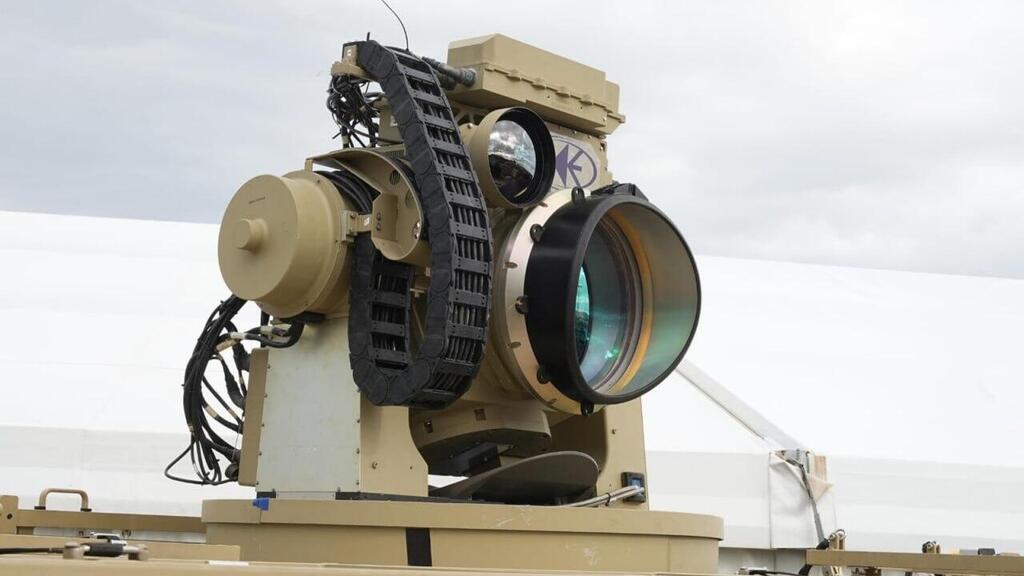
The Iron Beam system
(Photo: Defense Minstry)
Rafael engineers have said that unlike missile-based interception, Iron Beam could neutralize rockets before they cross from Gaza into Israel, potentially eliminating the need for air raid sirens. That vision, however, would require years and substantial budget allocations.
The military has not yet set a date for declaring Iron Beam fully operational. Even then, it will need to contend with environmental challenges and develop a new doctrine for the use of directed-energy weapons.
Defense officials note that while many militaries worldwide are investing heavily in laser weapons, Israel is poised to become the first to integrate such capabilities into routine operations, marking a major technological milestone for Rafael and Israel’s defense industry.
Still, Iron Beam is not designed to intercept ballistic missiles, such as those fired by Iran or the Houthis in Yemen. The only effective defense against ballistic missiles remains kinetic interceptors, including Israel’s Arrow 3 system and the US-made THAAD.
Elbit Systems is developing airborne laser capabilities that could one day intercept ballistic and hypersonic missiles at high altitude, above cloud cover, where energy concentration is more effective. The concept involves mounting powerful laser systems on fighter jets or mission aircraft to destroy missiles at minimal cost.
Such systems would operate at far greater ranges than Iron Beam, as the thinner atmosphere above the clouds allows laser energy to penetrate the thicker structure of ballistic missiles more efficiently than the lighter materials used in rockets or drones.
For now, as Israel enters the era of directed-energy weapons, defense officials caution against inflated expectations. Iron Beam represents a potential paradigm shift, but one that comes with high upfront costs and significant technical limits alongside its promise of cheaper interceptions.