

Avner Stepak, chairman and controlling shareholder of Israeli investment house Meitav, delivered a sharply critical assessment of the SpaceX IPO, calling the company’s valuation “absurd” and warning that the listing may signal broader instability in global equity markets.
In comments on the offering, Stepak said the SpaceX IPO reflects extreme pricing disconnected from fundamentals, pointing to the company’s $1.8 trillion valuation compared with $75 billion raised in the listing.
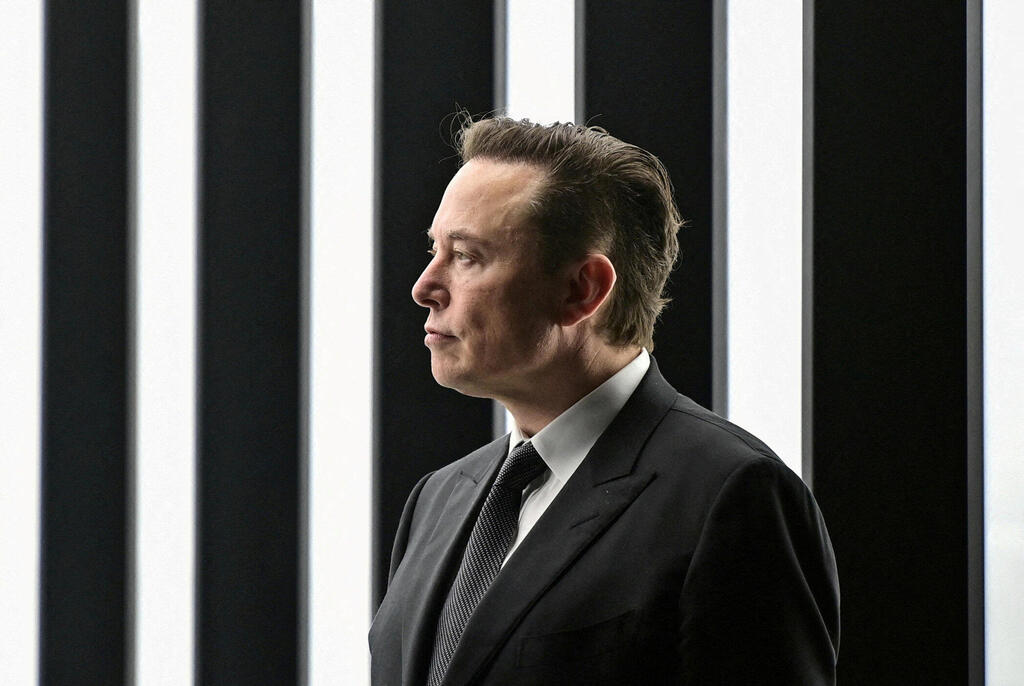
“The SpaceX IPO is one of the largest in U.S. history,” Stepak said. “Relative to the size of the company, it is not massive at $75 billion, while it is being valued at $1.8 trillion. It is absurd. The company is valued at 100 times its revenue last year. At this pricing, it looks like a huge bubble.”
Stepak also warned that SpaceX is part of a broader wave of high-profile artificial intelligence-related listings, alongside companies such as OpenAI and Anthropic, which he said are arriving in rapid succession and creating systemic risk for markets.
“This is one of the three largest AI-related IPOs — the three giants: SpaceX, Anthropic, which may be the most reasonable of the three, and OpenAI,” he said. “They are all happening within a short period. To be honest, this is one of the most dangerous moments for the stock market.”
He added that the risk is amplified by the structure of demand behind the IPO, pointing to strong participation from retail investors alongside institutions required to track index flows.
“Why is this IPO so dangerous? Not only this one, but also the two that will follow. First, because of the extreme valuation. Second, because this is a retail-driven IPO,” he said. “We are not seeing mainly institutional investors, but private investors, many of them followers of Elon Musk who believe in a guru rather than in numbers and performance.”
Stepak warned that retail-driven enthusiasm could lead to instability once early investors begin to exit positions, potentially affecting not only SpaceX but the broader AI sector.
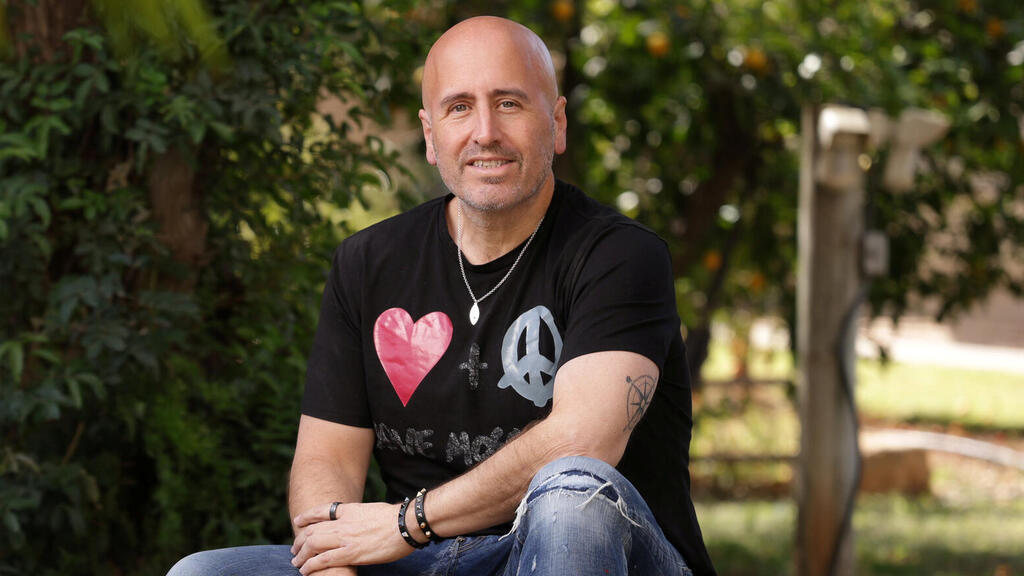
Avner Stepak
(Photo: Orel Cohen)
“When mainly retail investors participate, alongside institutional investors who are forced to buy due to index inclusion, there is a risk that weaker hands will sell later on,” he said. “That could spill over into the wider AI sector, which is already trading at inflated valuations.”
Despite the criticism, SpaceX’s debut was one of the most closely watched market events of the year. The company raised $75 billion in its Nasdaq listing at a valuation of $1.8 trillion, before experiencing sharp volatility in early trading.
The company reported a net loss of $4.9 billion in 2025, alongside revenue growth of 33.5% to $18.7 billion. Its revenue multiple of around 100 places it among the most aggressively valued technology companies in the market.
SpaceX, founded by Elon Musk in 2002, operates the Starlink satellite network, conducts commercial and government launches, and is developing the Starship program aimed at future missions to the Moon and Mars. It has also expanded into adjacent technology ecosystems, including artificial intelligence-linked ventures.
The IPO has become a focal point in the wider debate over AI-driven valuations and whether investor enthusiasm is running ahead of underlying earnings power, with Stepak's remarks emerging as one of the most forceful institutional warnings to date.