

Eldad Tamir, 64, is CEO and owner of the Tamir Fishman investment house and CEO and founder of the fintech company FINQ. He holds a bachelor’s degree in economics and an MBA from Tel Aviv University. Divorced and the father of five, he lives in Tel Aviv.
What is the biggest myth about management that you discovered simply isn’t true?
“The myth that a kindhearted manager is a good manager. You see managers being interviewed, being very nice, but in the end a good manager also has to be bad. You need to have the ability to be ruthless, because the carrot does not always work and sometimes you have to cut without emotion. It was always important to me to be not only a good manager but also a good person in everything I do, and sometimes those things clash. To this day, it short-circuits my brain.”
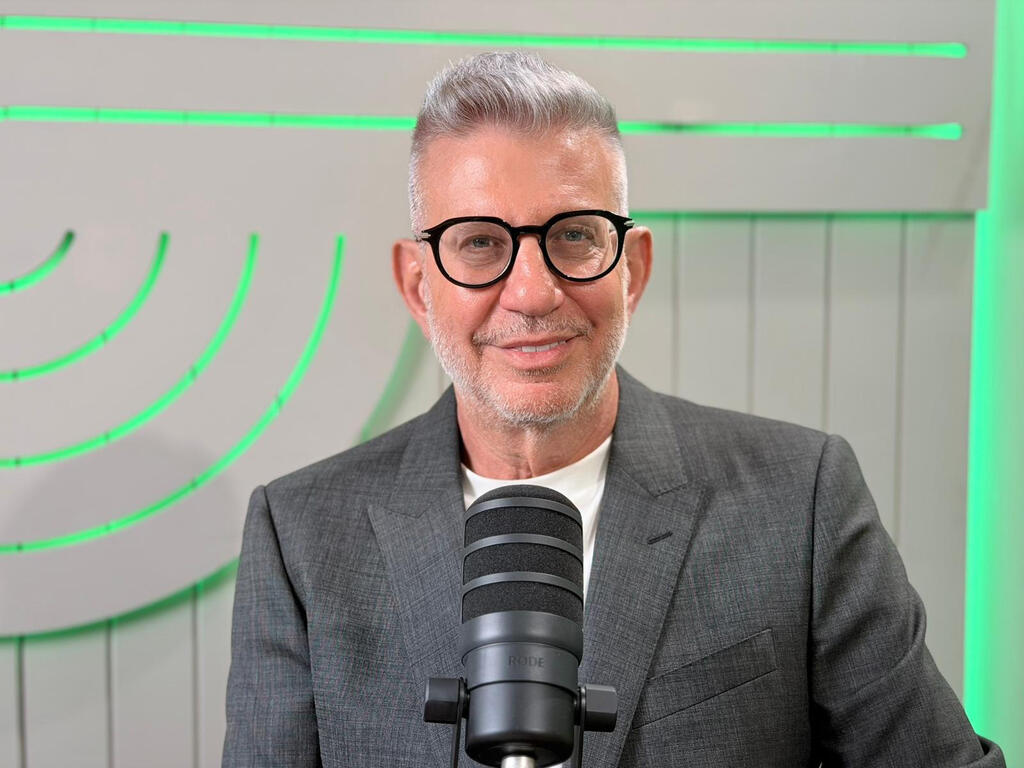
Elad Tamir: Sometimes a good manager has to be a ruthless
(Photo: Bepo)
What was the best financial decision you made as a manager?
“When I decided, with a great deal of courage, or perhaps a great deal of stupidity, to part ways with my partners because of my own limitations, not because they weren’t wonderful partners. I bought out all my partners for a great deal of money in order to create what I wanted for myself. In the end, a partnership is like a marriage, it’s a complicated business, and I came to the conclusion that I’m probably not suited to partnerships and that it suits me better to operate alone as a manager. I bought out the Royal Bank of Canada and my former partner, the wonderful Danny Fishman, and it cost me a great deal of money, involved enormous risk and came with difficult days and sleepless nights. I took out loans worth tens of millions of dollars, and fortunately it ended in victory.”
And what financial management decision do you regret the most?
“As part of the acquisition process we just talked about, I sold a very large operation of mine to IBI in the employee stock options field, at a time when the business was doing less well. Looking at it over the long term, I shouldn’t have done it. It was too hasty a business decision. I had other options, and today I regret it. I look back and say: mistake.”
If you woke up tomorrow morning as Israel’s finance minister, what is the first economic decision you would sign off on?
“I think that in the financial sector we have very concentrated markets. A concentrated market is a bad market, and almost all the major financial systems today are highly concentrated — that’s where we need to start. I would make sure that, finally, there is real competition in banking.”
Oren Dobronsky, your friend from ‘Shark Tank,’ is entering politics now. Does that make you want to do it a little?
“Not really. Every now and then I think about it, and I’ve also been approached. I’m not going to say by whom, but I promise you it wasn’t Likud. If I’m going to become a politician, I have to put on a lot of lies and fakery, flatter people.”
But look at Dobronsky. He isn’t flattering people. He has a reserved spot on the Likud slate without having to run in the primaries.
“He flatters people all the time. Do you know how many years he’s been flattering Bibi? Read his posts. Even today he keeps flattering him. I don’t blame him, I love him, he’s my friend. That’s his way. Do you know anyone in politics today around Bibi who isn’t a sycophant?”
What excites you when you meet entrepreneurs or people proposing business ventures?
“Creativity. It’s a rare quality in the world, because people are usually driven by their fears, especially in recent generations. Fear paralyzes everyone. Not me.”
And what makes you immediately say no?
“Flattery. It’s a quality that turns me off. I see people whose only aim is to flatter, people who are insecure, who are terribly afraid to express an opinion. It turns me off.”
What is the worst thing your competitors say about you behind your back that is actually true?
“Look, I look at my competitors and I can say that a large proportion of them, more than 50%, grew up professionally with me and today are in the most senior positions. I’m very proud of that. I think they would say that I’m difficult to work with, and that’s true. I have high standards and I’m a professional. I don’t let anyone cut corners. It’s not easy to work with me.”
As someone who sold sabra fruit as a child, where did you get pricked more, in the fields or in the capital markets?
“I got pricked in the capital markets too... People don’t understand how difficult this profession is. I’ve been stung quite a few times in the capital markets. But I remember the stings at home more, my mother screaming when I came home with sabra thorns in my hands.”
What is the heaviest price you paid in your personal life for your professional success?
“Loneliness. I think the higher you rise in the business hierarchy, the lonelier you become. Everything is full of interests and people call you because they want something from you. You make plans with a friend, and in the end you discover that he only wants to consult with you. There is a great deal of loneliness at the top of the pyramid, and it isn’t simple.”
What do you like spending your money on?
“Clothes, trips abroad, travel, beautiful places. I don’t have expensive jewelry or luxury watches. I don’t believe in that because it’s part of the ego. A big car is showing off. I don’t have a car. I take taxis or ride a scooter. I had a period when I was into cars. I got over it. I realized it was empty, that it was a hunger trying to compensate you for something, and that was it. It ended.”
What is this, ‘The financier who sold his Ferrari’?
“Something like that. Yes. No one will believe me, but I’ll say it anyway: Money doesn’t do it for me. I mean, what difference does it make if I have 10 million or 100 million? I know how much I’m worth, but it doesn’t interest me. I don’t live for money. The moment money becomes the goal, you’re finished, because there’s no end to it. I have enough money to live well and to help my children live well.”
Do you believe in God?
“I believe there is something out there. I can’t tell you who or what it is. I believe we know nothing.”